TL;DR

Get movie nights delivered free — and shop member deals
- Fast, free delivery on millions of items
- Access to Prime Big Deal Days deals on October 6–7
- Prime Video, Amazon Music and more included
NPR staff noticed strange comments on Spotify episodes of Wild Card and initially suspected bots. A younger colleague recognized the posts as likely children using the low-traffic comment threads to socialize, though the report excerpt leaves details of the group’s identity and activity unresolved.
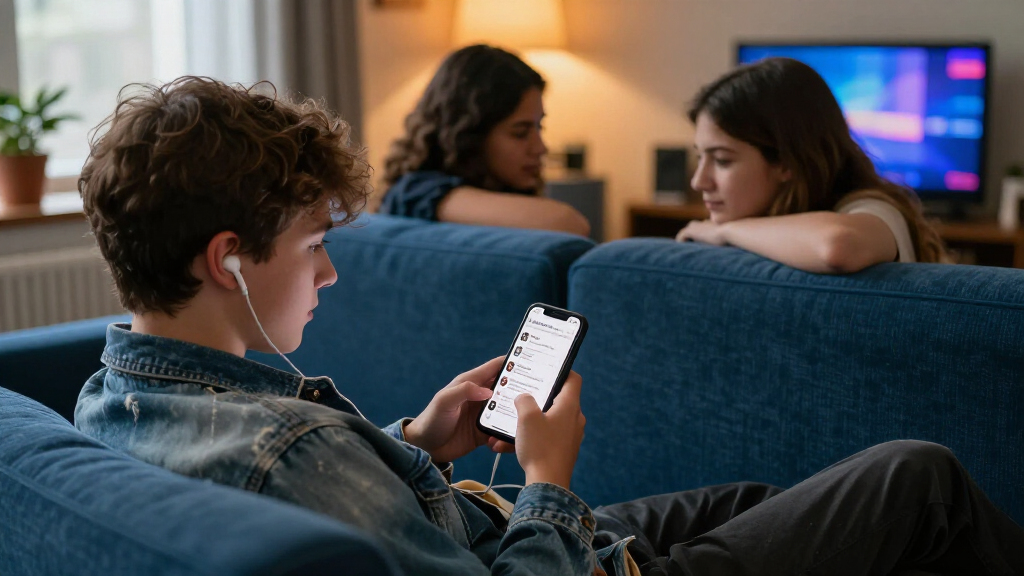
NPR staff found a stream of cryptic comments on a Spotify episode of Wild Card and initially thought they might be bots. A colleague, producer Hannah Chinn, argued that the posts looked more like middle schoolers using the episode’s comment thread to talk with one another, according to a report by This American Life.
Dave Blanchard, who runs Wild Card, noticed the activity on an episode featuring writer Elizabeth Gilbert. He first wondered whether the episode’s subject had prompted a surge in discussion. But the new comments seemed incoherent and clipped, and came from different accounts. Blanchard told host Ira Glass that he assumed they were bots, while also finding their apparent interactions unusual.
The comments included brief messages such as “Ah, OK, M-H,” “Gilgamesh quit and I’m crying,” and “Last Friday I broke up with my GF.” After Blanchard deleted the posts, another comment appeared saying, “so it deleted my com.” That response made the activity seem less like automated spam to him: the account appeared to notice the removal and tell others.
Blanchard shared screenshots in NPR’s Slack channels. A senior colleague suggested reporting the activity to Spotify, and he did. Chinn, who was younger than Blanchard and had spent time chatting in online spaces as a child, interpreted the same evidence differently. She pointed to the display names, cartoon profile pictures, short exchanges and excited greetings as signs of children socializing. The report excerpt says Chinn found further clues, including a child creating a Spotify playlist with a name like “Let’s chat,” but it ends before explaining the full method.
Why the Comment Threads Drew Kids
The episode shows how people can use a platform feature in a way its designers or moderators may not expect. For the children Chinn described, Spotify’s comments may have offered a place to acknowledge one another and start conversations. She told Glass that kids might choose such a space because other apps on their phones were blocked, though she framed that as a possibility, not a confirmed explanation.
The incident also highlights a practical moderation challenge: unfamiliar writing can resemble bot activity, especially when messages are brief or lack an obvious connection to the program. Chinn’s familiarity with young people’s online habits led her to read the clues differently. The excerpt does not establish whether the comments presented a safety concern, how many children were involved, or whether Spotify took action after Blanchard’s report.
How NPR Staff Read the Posts
Wild Card is an NPR public radio show hosted by Rachel Martin. Blanchard told Glass that he did not expect middle schoolers to use its Spotify comment section as a gathering place. The episode’s subject, Gilbert, initially seemed like a plausible reason for increased comments, but the posts did not read like ordinary audience responses to him.
Chinn’s interpretation came from her own experience. She described growing up in a conservative, homeschooled household with limited access to social media, and finding other online ways to communicate with friends. She recalled using shared Google Docs to write messages, delete them, or hide text by making it white on a white background. That background helped her recognize the comment thread as a possible informal chat room, even though it was attached to a radio episode.
““It screamed bots,” because gibberish in an internet comment made him think of automated accounts.”
— Dave Blanchard, Wild Card showrunner
Who Was Behind the Comments
This American Life’s supplied transcript excerpt does not identify the children or establish how many people took part. Chinn said they appeared to be middle schoolers, but that was her interpretation of the posts and profiles. The excerpt also does not confirm why the children chose the Wild Card thread, whether blocked apps played a role, or what Spotify did after receiving Blanchard’s report.
The transcript cuts off as Glass begins describing playlists that children may have used to organize their conversations. It therefore does not provide enough information to explain the full arrangement or say how long it lasted. No direct comments from the children or from Spotify are included in the supplied material.
What the Report Leaves Open
The available account ends before resolving how the children found the episode, how they coordinated through Spotify, or what happened after NPR staff noticed the activity. Further details would be needed to confirm the group’s size, purpose and timeline. For now, the report documents how Blanchard and Chinn reached different readings of the same comments, while leaving the children’s own account and Spotify’s response unknown.
Key Questions
What happened on NPR’s Spotify page?
Unusual comments appeared on a Spotify episode of NPR’s Wild Card. Staff initially suspected bots; colleague Hannah Chinn thought the posts were likely children chatting.
Why did staff suspect bots?
The messages were brief and seemingly incoherent, and they came from different accounts. Blanchard also noticed that comments appeared to interact with one another.
What made Chinn think the commenters were children?
She pointed to the display names, cartoon profile pictures and short, friendly exchanges. Her own experience using online spaces to communicate as a child also shaped her interpretation.
Is it confirmed that the children were middle schoolers?
No. Chinn said that was her conclusion based on the comments and profiles. The supplied transcript excerpt does not independently confirm the commenters’ ages or identities.
What happened after NPR reported the activity?
The excerpt says Blanchard reported the comments to Spotify, but does not describe Spotify’s response or explain how the apparent group chat ended.
Source: hn
Fall Picks
fall essentials
As an affiliate, we earn on qualifying purchases.