
TL;DR
Listen free for 30 days with Audible
Thousands of audiobooks and originals — cancel anytime.
Start your free trialAs an affiliate, we earn on qualifying purchases.
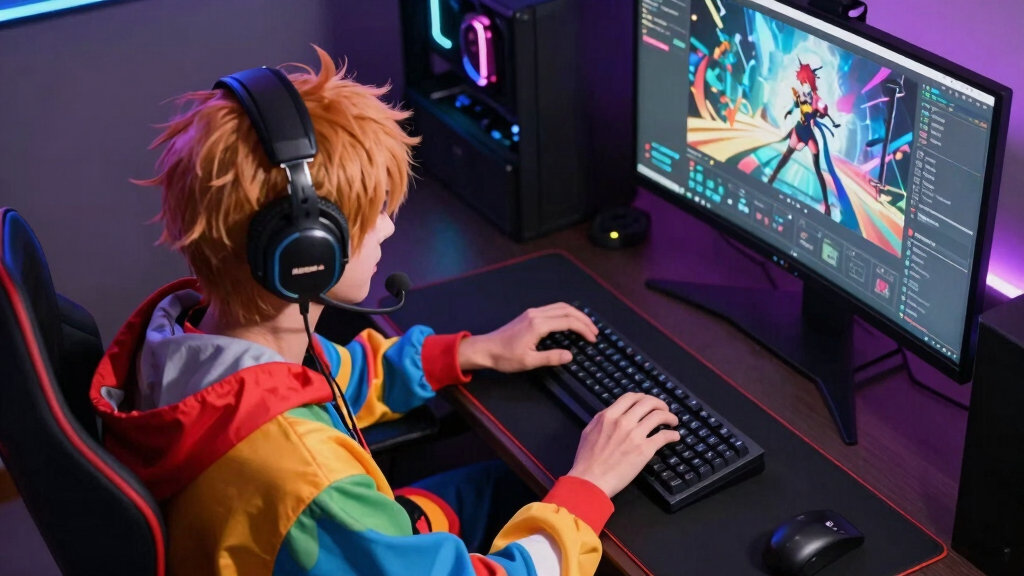
Japanese VTubing, a phenomenon where virtual avatars host online content, is now gaining international popularity. Major companies are launching global initiatives, and creators are emerging worldwide. This marks a significant shift in digital entertainment and online influencer culture.
Japanese VTubing, a digital entertainment trend where virtual characters host live streams and content, is now expanding rapidly across the globe, with new creators and companies emerging in North America, Europe, and Asia outside Japan. This international growth highlights the increasing influence of Japanese pop culture and digital innovation in the global entertainment landscape.
Several Japanese VTubing agencies, including Hololive and Nijisanji, have announced plans to expand their talent pools internationally, recruiting creators from North America, Europe, and other regions. These efforts are supported by new technological tools that enable creators outside Japan to produce high-quality virtual content. Additionally, independent creators in countries such as the United States, Brazil, and India are gaining popularity, often using platforms like YouTube, Twitch, and TikTok to reach global audiences.
Industry analysts, including those from the entertainment consultancy firm Newzoo, estimate that the global VTubing market could reach over $1 billion by 2025, driven by increased platform investment and international interest. Major companies are also launching localized versions of their virtual characters, with some debuting avatars speaking multiple languages, further broadening their reach.
Impact of International Expansion on Digital Culture
This global expansion of VTubing signifies a broader shift in digital entertainment, blending Japanese pop culture with international influences. It offers new opportunities for creators worldwide to engage audiences through innovative virtual personas, diversifying the influencer landscape. The trend also reflects the increasing importance of virtual identities in online entertainment, with potential impacts on marketing, fan engagement, and cultural exchange.
Historical Growth of Japanese VTubing and Global Trends
VTubing originated in Japan around 2016, with agencies like Hololive and Nijisanji pioneering the concept of virtual YouTubers—avatars operated by real individuals using motion capture technology. The trend gained momentum domestically, with millions of followers and significant media attention. Over the past few years, the scene has expanded to include international creators, but the recent surge in global interest is driven by increased platform support, technological advancements, and the COVID-19 pandemic’s impact on online content consumption.
Recent years have seen Japanese agencies actively seeking international talent, with Hololive establishing branches in English and Indonesian, and others following suit. Meanwhile, independent creators outside Japan have built sizable audiences, often collaborating with Japanese VTubers or creating their own virtual personas. This growth is now accelerating as companies and creators recognize the potential of a worldwide audience.
“Our goal is to connect fans worldwide through virtual talent, and expanding globally is a key part of that vision.”
— Sora Yamamoto, CEO of Hololive
Unclear Scope of International Adoption and Market Size
While growth trends are evident, it is still unclear how sustainable or widespread the international adoption of VTubing will be over the long term. Precise market figures, regional engagement levels, and the impact of cultural differences remain difficult to quantify. Additionally, the potential challenges of localization, language barriers, and platform competition are still emerging.
Next Steps in Global VTubing Development
Industry experts expect continued expansion of Japanese VTuber agencies into new markets, with more localized avatars and content tailored for diverse audiences. Major platform investments and collaborations with mainstream entertainment brands are anticipated to further boost visibility. Monitoring how creators from different regions adapt and innovate will be key to understanding the full scope of this global trend.
Key Questions
What is VTubing?
VTubing involves online content creators using virtual avatars—often anime-inspired characters—who host live streams, videos, and interact with fans on platforms like YouTube and Twitch.
Why is VTubing becoming popular outside Japan?
Advancements in motion capture technology, platform support, and the global popularity of Japanese pop culture have contributed to its international growth.
Are Japanese VTubing agencies expanding internationally?
Yes, agencies like Hololive and Nijisanji are establishing branches and recruiting talent from outside Japan to reach global audiences.
What challenges does international VTubing face?
Localization, language barriers, cultural differences, and platform competition are among the hurdles that need to be addressed for sustained growth.
How big could the global VTubing market become?
Industry estimates suggest the market could surpass $1 billion by 2025, but exact figures depend on future adoption and technological developments.
Source: hn
Flea & tick season Picks
flea and tick prevention
As an affiliate, we earn on qualifying purchases.