
Unpopped kernels can ruin your popcorn experience. They’re a frustrating reminder of what could’ve been a perfect snack, creating an undesired crunch and disappointment. Factors like moisture content and kernel integrity might be to blame; too dry or damaged kernels don’t pop well. Plus, improper storage can lead to old maids in your bowl. If you want to master the art of popping and avoid these uninvited leftover kernels, you’ll want to uncover more tips and tricks.
Key Takeaways
- Unpopped kernels indicate wasted potential, disrupting the satisfying experience of enjoying popcorn.
- They signify disappointment as the anticipation of a crunchy snack is met with unfulfilled expectations.
- Various factors, such as kernel quality and moisture balance, contribute to the occurrence of unpopped kernels.
- Poor storage conditions can accelerate kernel aging, increasing the likelihood of unpopped kernels during cooking.
- Different cooking methods and temperature control are essential for minimizing unpopped kernels and enhancing popping efficiency.
Top picks for "unpopp kernel real"
Open Amazon search results for this keyword.
As an affiliate, we earn on qualifying purchases.
The Science Behind Popcorn Popping and Unpopped Kernels
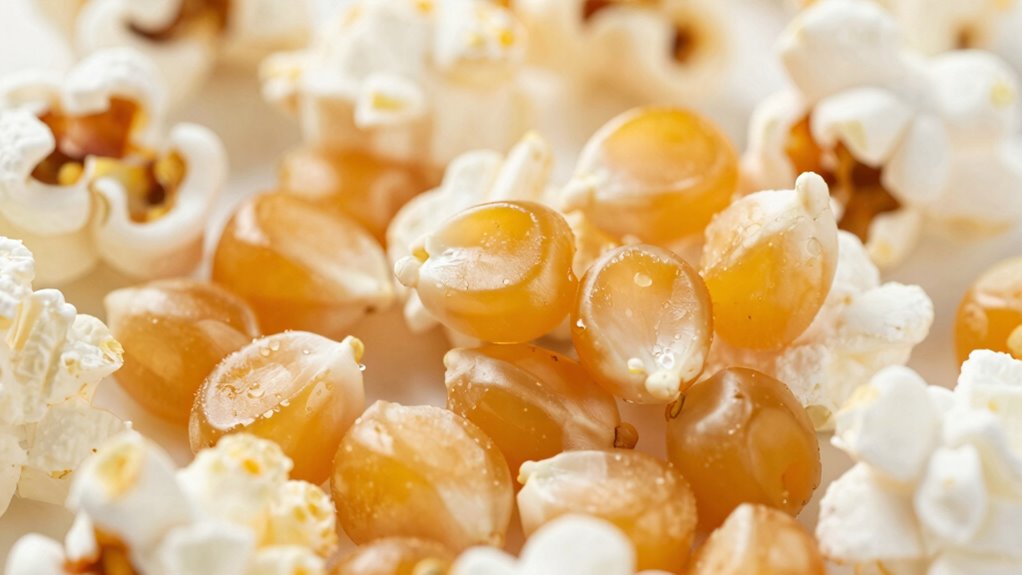
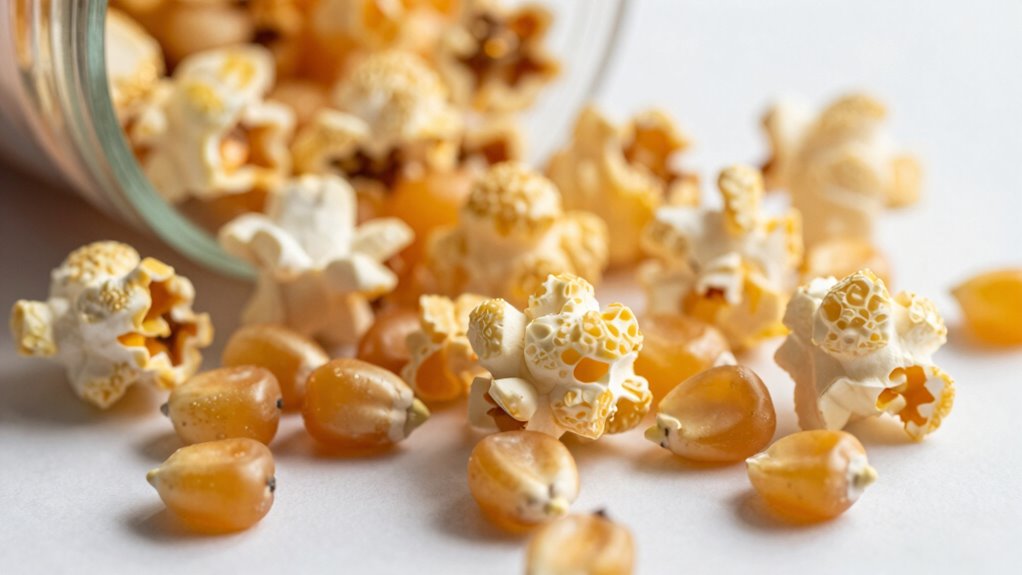
When you think about popcorn, you might picture fluffy, perfectly popped kernels filling a bowl, but what about those stubborn unpopped ones? The secret lies in the kernel structure and its unique popping mechanism. Each kernel has a hard outer shell called the pericarp, which encases moisture and starch inside. When heated, the moisture turns into steam, building pressure until the kernel finally bursts. This popping mechanism is what creates that delightful snack. However, not all kernels pop—sometimes the moisture content isn’t ideal, or the shells have imperfections. These factors prevent the kernels from reaching the necessary pressure for popping, leaving you with those pesky unpopped ones at the bottom of your bowl. Understanding this science can help you minimize them!
What Causes Unpopped Kernels?
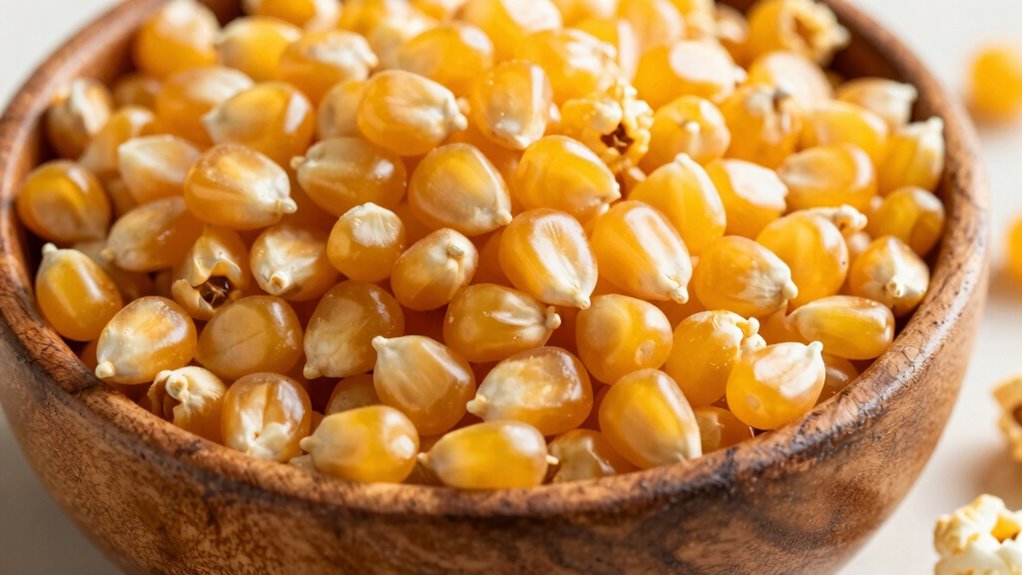
Although you might expect every kernel to pop, several factors contribute to the unpopped kernels lingering at the bottom of your bowl. The kernel structure plays a significant role in this; if it’s weak or damaged, it won’t build enough pressure to burst. Additionally, maintaining the right moisture balance is essential. Kernels need about 13.5% moisture to pop effectively. If they’re too dry, they won’t generate enough steam.
- You miss out on that satisfying crunch.
- It’s disappointing to see them pile up at the bottom.
- Your movie night snack feels incomplete.
Understanding these causes can help you minimize those pesky unpopped kernels and enjoy your popcorn to the fullest!
Why Are Unpopped Kernels So Frustrating?
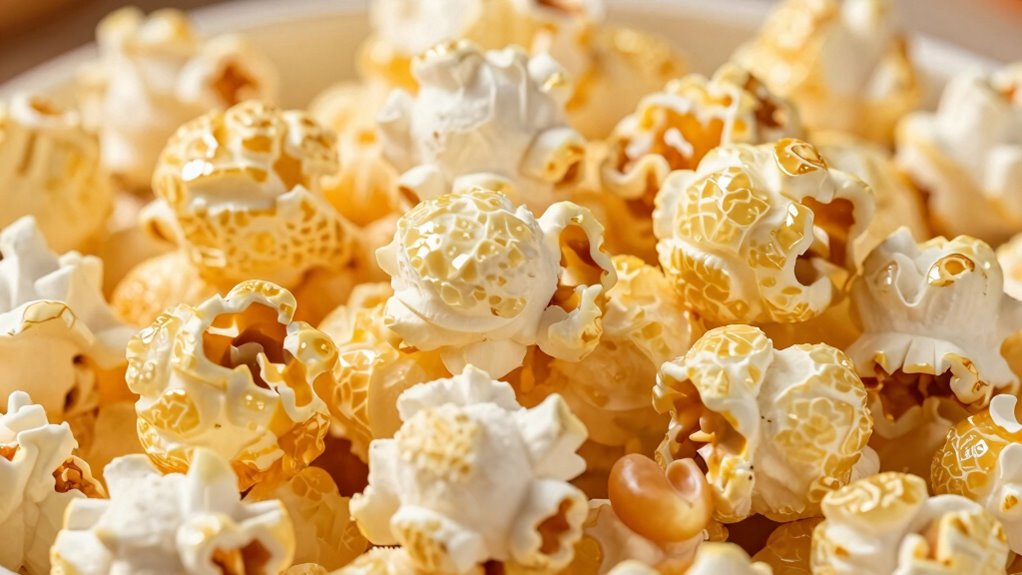
Why does seeing unpopped kernels at the bottom of your bowl drive you crazy? It’s that kernel frustration that gnaws at you, especially after you’ve enthusiastically anticipated a satisfying snack. You’ve made the effort to pop a fresh batch, imagining the buttery goodness, only to be greeted with disappointing remnants. Those unpopped kernels represent wasted potential—they could’ve been part of your delicious treat. Instead, they sit there, mocking your efforts. They disrupt the perfect crunch you crave and leave you feeling cheated, longing for that satisfying experience. When you reach for a handful, the presence of those stubborn kernels signals snack disappointment, reminding you that not every kernel lives up to its popping promise. It’s a letdown you didn’t sign up for.
Optimal Storage Conditions for Popcorn Kernels
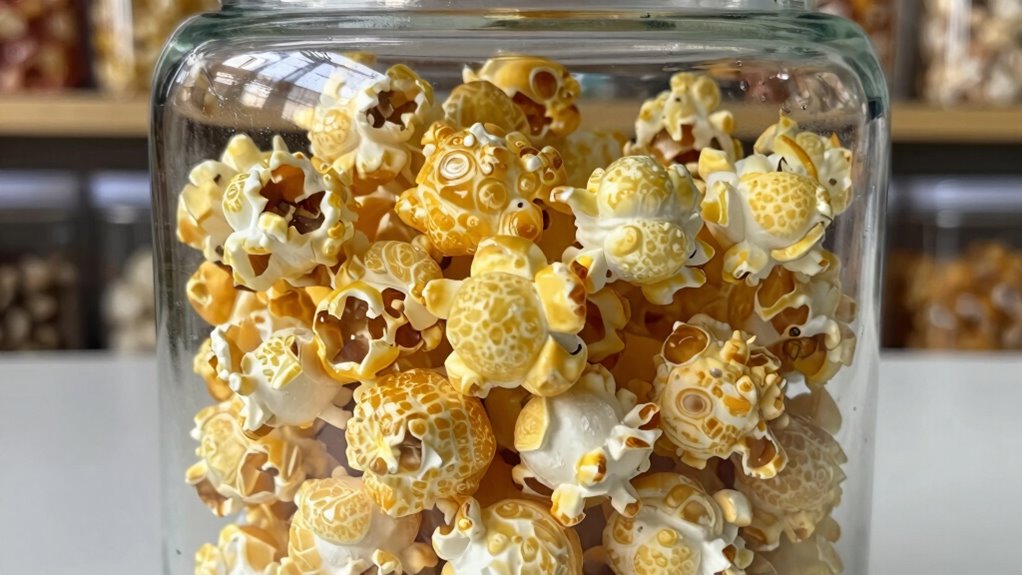
To guarantee your popcorn kernels pop perfectly, storing them under the right conditions is essential. Maintaining ideal humidity is vital; too much moisture can lead to soggy kernels, while too little can cause them to dry out and age prematurely. Aim for a humidity level around 13-14%.
Here are some tips to enhance your popcorn experience:
- Store in an airtight container to prevent moisture loss.
- Keep them in a cool, dark place to slow down kernel aging.
- Avoid the fridge or freezer, as temperature fluctuations can harm the popcorn.
Best Cooking Methods for Perfectly Popped Popcorn
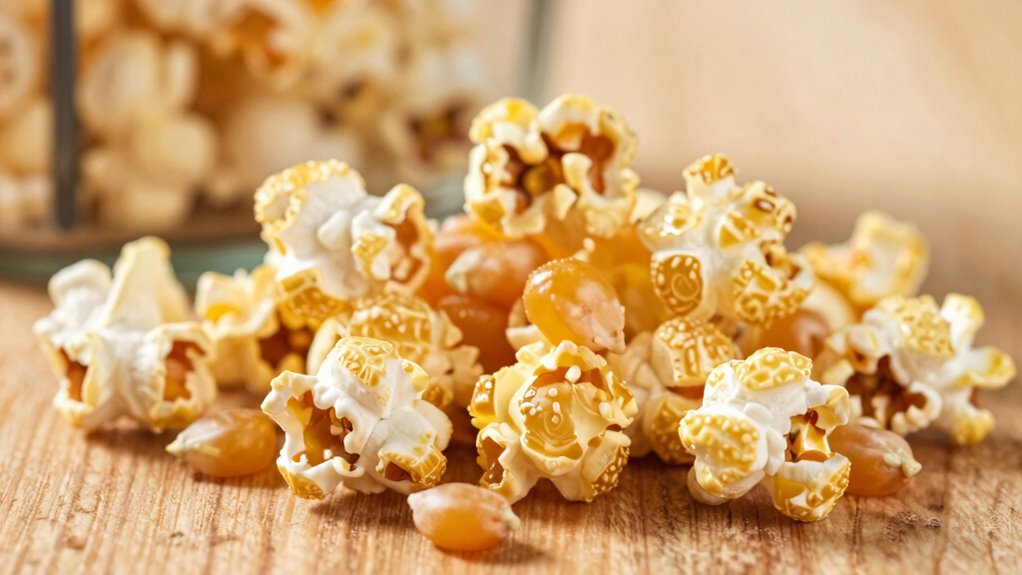
When it comes to popping popcorn, your choice of cooking method can make all the difference. Whether you prefer the classic stovetop techniques or the convenience of an air popper, each method has its perks. Let’s explore how these options can help you achieve that perfect pop every time.
Stovetop Popcorn Techniques
While stovetop popcorn techniques may seem straightforward, mastering the art of popping corn can elevate your snack game to a whole new level. To achieve that perfect batch, use quality stovetop tools like a heavy-bottomed pot and a tight-fitting lid. Proper popcorn kernel quality can significantly impact your popping success and flavor outcome. Start by heating the oil until it shimmers, then add your kernels and give them a good shake. This encourages even heating and reduces unpopped kernels. Try these popping techniques for maximum flavor and fun:
- Feel the joy of freshly popped popcorn filling your kitchen.
- Experience the satisfaction of a perfectly fluffy batch.
- Enjoy the crunch that comes with every bite.
With practice, you’ll find your ideal method, turning popcorn into a delightful treat every time!
Air Popper Advantages
If you’re looking for a quick and healthy way to make popcorn, an air popper might be your best bet. Air poppers use hot air to pop kernels, eliminating the need for oils, which boosts popcorn health. This method means you get a light, fluffy snack without added fats or calories. One of the key air popper benefits is that it pops almost all the kernels, leaving you with minimal unpopped ones. Plus, cleanup is a breeze! You can season your popcorn however you like afterwards, keeping it healthy and customizable. Incorporating eco-friendly appliances like air poppers can also reduce your environmental impact while providing a healthier snack option. Additionally, using an air popper ensures you avoid the unpopped kernels that can sometimes cause frustration during snack time. To maximize efficiency, understanding the popcorn popping process can help you achieve consistent results and minimize waste. Recognizing the importance of proper maintenance can also extend the lifespan of your appliance and keep it operating at peak performance. Performing regular cleaning routines will help prevent buildup and ensure your popper remains in good working order.
Common Popcorn-Making Mistakes
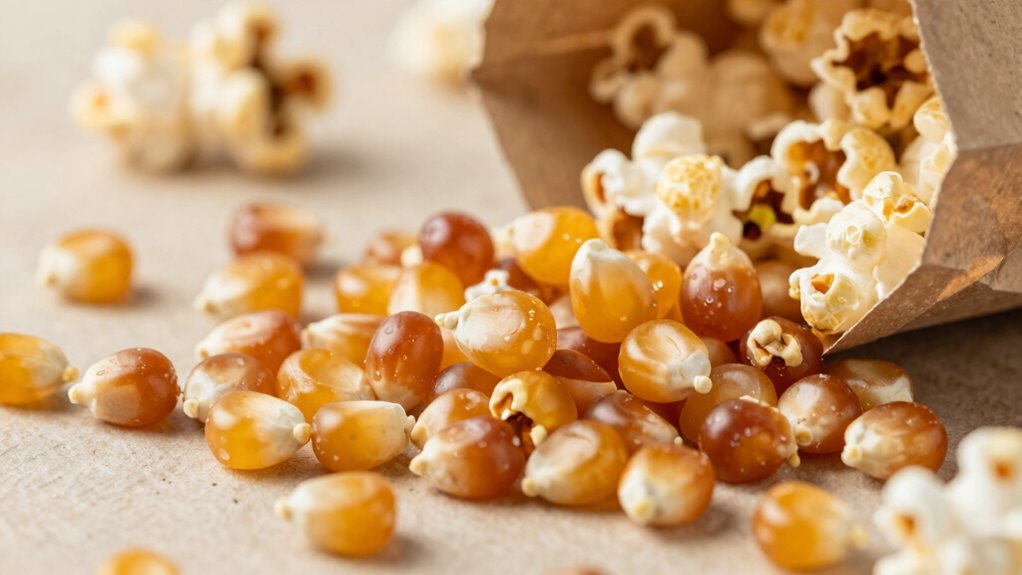
Even though making popcorn seems straightforward, many people stumble over a few common mistakes that can lead to disappointing results. Whether you’re experimenting with different popcorn varieties or trying new popping techniques, it’s essential to avoid these pitfalls:
- Overheating the kernels, resulting in burnt popcorn and a bitter taste.
- Using too little oil, which can leave your popcorn dry and flavorless.
- Ignoring the recommendations for different popping methods, leading to uneven popping and unpopped kernels.
How Moisture Affects Kernel Popping
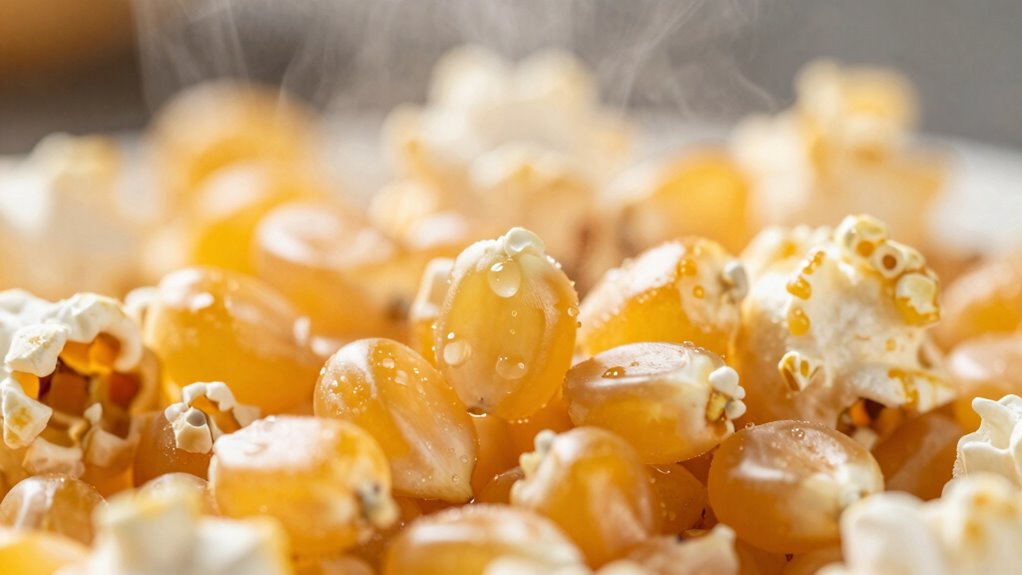
When you’re popping popcorn, the moisture content in each kernel plays a vital role. If the moisture’s too low or too high, it can affect how well the kernels pop, leading to a disappointing batch. Understanding the ideal moisture levels and the impact of temperature can help you achieve that perfect pop every time.
Optimal Moisture Content
Ideal moisture content is essential for achieving that satisfying pop in popcorn kernels. You might not realize it, but the perfect moisture balance is vital for proper kernel hydration. When kernels have just the right amount of moisture, they build pressure inside, leading to that delightful explosion. Too little moisture means unpopped kernels, while too much can result in chewy popcorn.
- Imagine the frustration of biting into a hard kernel.
- Think about the joy of a perfectly fluffy snack.
- Picture movie nights ruined by unpopped kernels.
Maintaining the best moisture content can make all the difference in your popcorn experience. So, pay attention to that hydration level, and you’ll enjoy every delicious bite!
Impact of Temperature
Maintaining the right moisture content is just part of the equation; temperature plays a significant role in how effectively those kernels pop. When you apply heat, the temperature must be consistent and within an ideal range. Temperature extremes can lead to uneven popping, where some kernels remain unpopped while others burst perfectly. If it’s too hot, you risk burning the popcorn; if it’s too cool, the moisture inside won’t generate enough steam to pop the kernels. Additionally, kernel density affects how heat is distributed. Denser kernels may require slightly higher temperatures to reach that critical point where they explode. So, keeping an eye on temperature can make all the difference between a bowl of perfectly popped popcorn and a disappointing batch of unpopped kernels.
Tips for Enjoying Popcorn Without Old Maids
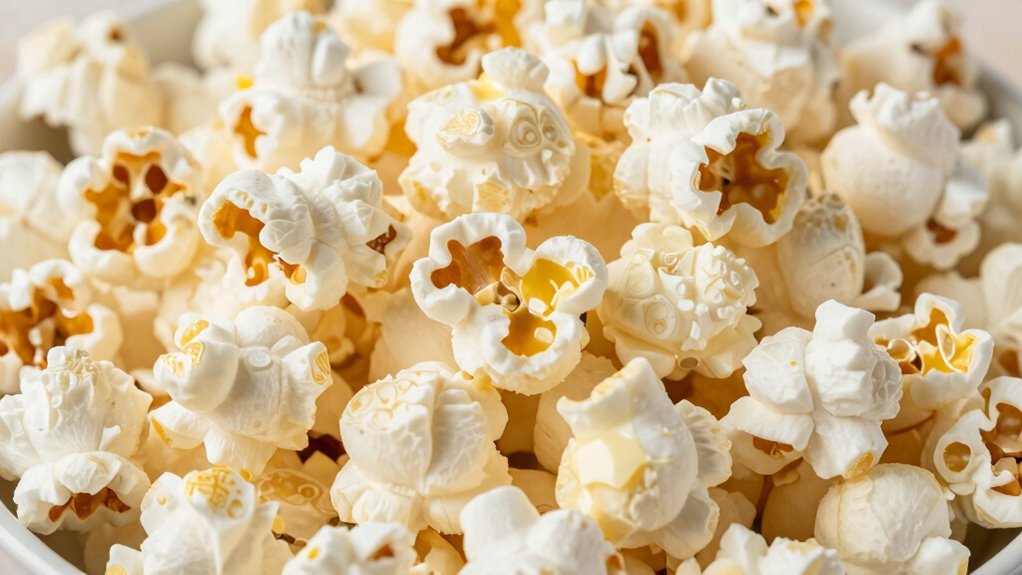
To avoid the frustration of old maids ruining your popcorn experience, it is essential to choose the right kernels and prepare them properly. Look for high-quality popping corn to guarantee maximum expansion. Remember, the right popcorn flavors can elevate your snack, so don’t shy away from experimenting with different seasonings.
- Use fresh oils for a richer taste.
- Try unique seasoning tips like garlic powder or nutritional yeast for a gourmet twist.
- Always pop in small batches to minimize old maids.
How to Prevent Unpopped Kernels?
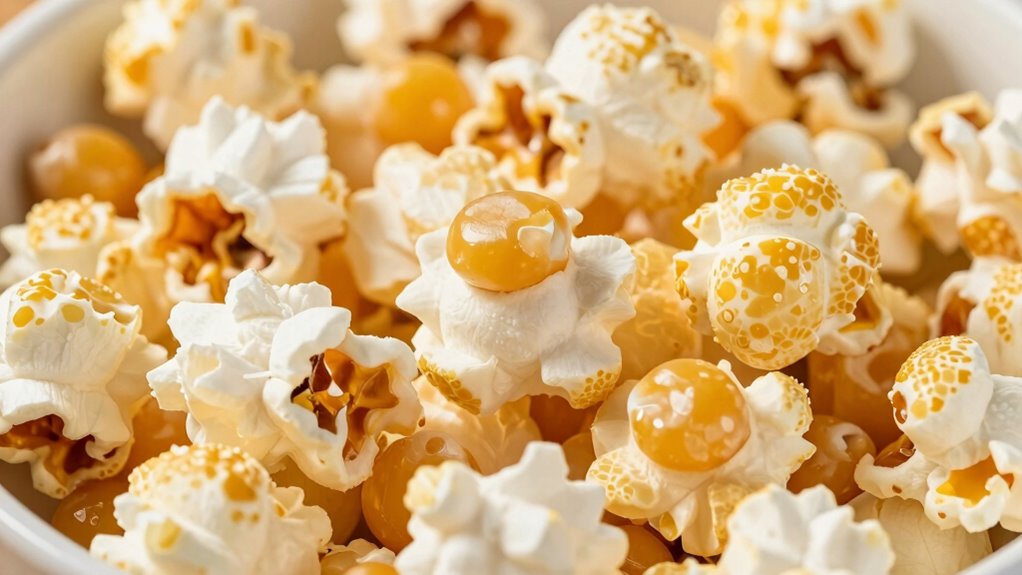
While popping popcorn might seem straightforward, several key factors can help you effectively prevent unpopped kernels. First, focus on kernel selection; choose high-quality, fresh kernels, as older kernels are more likely to leave you with unpopped ones. Next, pay attention to your popping techniques. Whether you’re using a stovetop, air popper, or microwave, make sure the heat is evenly distributed. If you’re using oil, don’t skimp; the oil helps transfer heat and moisture, which is vital for popping. Also, keep the lid on during popping to maintain steam, which aids in popping efficiency. Finally, give your popcorn a gentle shake during popping to promote even heat distribution. Ensuring proper airflow around your popcorn maker can further improve popping success. Following these tips can help you enjoy every delicious kernel.
Frequently Asked Questions
Can Unpopped Kernels Be Reused for Popping Later?
Yes, you can reuse unpopped kernels for popping later. Just make sure to store them properly in a cool, dry place to maintain their moisture content. When you’re ready to pop, try different popping techniques, like using an air popper or stovetop method, to see what works best. If they still don’t pop, it might be time to reflect that they’ve lost their ability to pop effectively. Enjoy experimenting!
Are All Types of Popcorn Kernels Equally Prone to Unpopped Kernels?
Not all kernel types are equally prone to unpopped kernels. While some varieties pop with impressive efficiency, others can leave you with a bowl full of disappointments. For instance, mushroom kernels tend to pop larger but may have a few unpopped ones, while butterfly kernels often pop more evenly but can still surprise you. Choosing the right kernel type affects your popping experience, so make sure you pick wisely for the best results!
How Can I Tell if Popcorn Is Expired?
You can tell if popcorn’s expired by checking for expiration signs like a stale smell, discoloration, or an off taste when popped. If the kernels have been stored improperly—like in a humid environment—they’re more likely to lose their freshness. Keep your popcorn in an airtight container in a cool, dry place to maximize shelf life. If it’s been sitting around for too long, it’s best to toss it out.
Can Unpopped Kernels Be Harmful if Consumed?
Yes, unpopped kernels can pose health risks if consumed. They’re hard and can lead to dental damage, like cracked teeth or fillings. While swallowing a few isn’t likely to cause serious harm, regularly eating them can lead to discomfort and potential gastrointestinal issues. It’s best to avoid them altogether by ensuring your popcorn is popped thoroughly. If you notice many unpopped kernels, consider adjusting your popping method for better results.
What Are the Best Brands of Popcorn to Avoid Unpopped Kernels?
To avoid unpopped kernels, try brands like Orville Redenbacher’s and Popcornopolis. They offer a range of flavor varieties that pop well and taste great. Look for those that emphasize quality popping techniques, as these can greatly reduce unpopped kernels. You might also consider air-popped popcorn for a healthier option, ensuring you enjoy every bite without worrying about the leftovers. Experiment with different flavors to find your perfect match!
Conclusion
In the world of popcorn, unpopped kernels can really rain on your parade. By understanding the science behind popping and taking care of your kernels, you can enjoy a bowl without those pesky old maids. Remember to store them properly, choose the right cooking method, and avoid common mistakes. With a little attention, you’ll be savoring perfectly popped popcorn every time, turning your movie nights into a truly delightful experience. Enjoy those fluffy bites!