To cut glare without buying anything, start by identifying sources of harsh light and reflections in your space. Reposition your devices, lights, and reflective objects to minimize direct glare. Manage windows by using household items like curtains, sheets, or DIY shields to block or diffuse sunlight. Adjust your screen settings and keep your space tidy to prevent unnecessary reflections. Developing simple habits, like cleaning screens and repositioning objects, can make a big difference—more tips are just ahead.
Key Takeaways
- Reposition lamps, screens, and reflective objects to minimize direct light and reflections in your workspace.
- Use household items like curtains, sheets, or cardboard to diffuse or block sunlight temporarily.
- Adjust window coverings with DIY solutions such as fabric or foil to control incoming light.
- Tweak device screen settings for optimal brightness and contrast to reduce screen glare.
- Keep your space organized and clean to prevent light bouncing off clutter and reflective surfaces.

OneBlis 70" TV Stand for Living Room, Modern Entertainment Center & Media Console, Fits TVs up to 80", Storage Cabinet with Shelves, 36" Electric Fireplace with LED Flame (All Black)
TV Stand with 36" Fireplace: 70"L stand integrates 12-color electric fireplace with 5 dimmer levels & 36 LED...
As an affiliate, we earn on qualifying purchases.
Identify the Main Sources of Glare in Your Space

Have you ever noticed harsh spots of light or reflections that make it hard to see? These are often caused by reflective surfaces and specific light sources in your space. Reflective surfaces like glass, glossy furniture, or shiny appliances can bounce light directly into your eyes, creating intense glare. Similarly, bright light sources such as lamps, windows, or overhead lights can produce glare if they aren’t positioned carefully. To identify the main sources of glare, observe when and where the light becomes uncomfortable. Pay attention to areas with large windows or shiny objects that reflect sunlight or artificial light. Recognizing these sources helps you understand what’s causing the glare and sets the foundation for reducing it effectively. Understanding light behavior can help you better manage glare without the need for new equipment. Additionally, being aware of light reflection patterns in your space enables you to make more informed adjustments to minimize glare. Recognizing the impact of reflective surfaces is crucial in planning how to manage light effectively in your environment. Gaining awareness of how light interacts with surfaces allows you to implement simple, no-cost solutions for a more comfortable space. Moreover, understanding the science of light and reflection can empower you to make more strategic decisions about your space’s lighting.
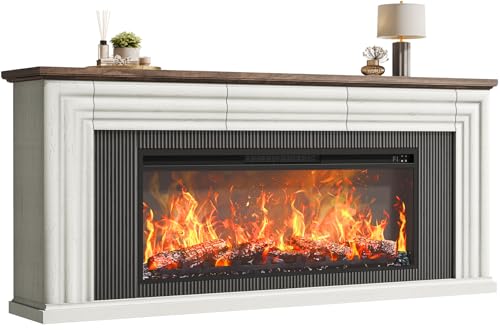
PRAISUN 70'' Fireplace TV Stand with 42'' Electric Fireplace, Farmhouse TV Stand for 65 75 Inch TV, Entertainment Center TV Console with 3 Drawers, Fluted Design, for Living Room, Distressed White
【Entertainment Center with 42'' Fireplace 】Nothing beats curling up in front of a warm fire after a long...
As an affiliate, we earn on qualifying purchases.
Reposition Devices and Lights to Reduce Glare

Repositioning your devices and lights can considerably reduce glare by changing the angles at which light hits reflective surfaces or enters your eyes. Adjusting lighting placement ensures lamps and monitors don’t face windows or shiny surfaces directly. Proper furniture arrangement also helps, so screens aren’t positioned where reflections occur. Experiment with the following strategies:
| Lighting Placement | Furniture Arrangement | Effect |
|---|---|---|
| Move lamps away from reflective surfaces | Position screens away from windows | Minimize direct glare |
| Angle lights downward or away from eyes | Arrange desks to avoid facing bright windows | Reduce eye strain |
| Use task lighting instead of overhead lights | Keep reflective items away from work areas | Decreases unwanted reflections |
Additionally, understanding reflection management can help you optimize your space for reduced glare and improved comfort. Incorporating natural light control techniques, such as curtains or shades, can further enhance glare reduction without additional purchases. Using supportive lighting arrangements can also help distribute light more evenly across your workspace. Adjusting angle and distance of your devices can significantly diminish glare sources, making your environment more comfortable.

Tubicen Wall Sconce Indoor Home Theater Lighting Hardwired Bright LED Up and Down Dimmable Wall Sconces Black Modern Hallway Stairway Wall Lights for Living Room 10W 3000K Square
【Bright Wall Sconces with Wide Area Illumination】Tubicen Square Wall Sconce (4.5"L x 4.5"W x 4.7"H) features a precision-engineered...
As an affiliate, we earn on qualifying purchases.
Adjust Windows and Coverings to Block Sunlight

Adjusting your windows and coverings can make a big difference in reducing glare. You can optimize window placement or add temporary coverings to block direct sunlight when needed. These simple steps help create a more comfortable, glare-free environment. Incorporating household guides can also provide additional tips for managing natural light effectively. Considering the orientation of your windows can further enhance glare control by minimizing direct sun exposure during peak sunlight hours. Additionally, understanding the natural light management of your space can help you identify the most effective adjustments for glare reduction. Exploring curiosity-driven solutions may inspire innovative ways to improve your lighting setup without extra purchases. Being aware of ambient light levels can assist in making more precise adjustments for glare control.
Optimize Window Placement
To effectively reduce glare, you should optimize your window placement by carefully considering where and how your windows are positioned. Proper window alignment can minimize direct sunlight and reduce glare while maintaining natural lighting. Think about the sun’s path and adjust your windows accordingly, such as installing higher or lower windows or repositioning them to avoid facing harsh sunlight. Use the table below to explore options for window placement:
| Window Placement | Effect on Glare |
|---|---|
| East/West facing | Increased morning/evening glare |
| North/South facing | Less direct sunlight, softer light |
| High/low placement | Controls direct sunlight entry |
Adjusting window placement helps balance natural lighting and glare, creating a more comfortable space without extra purchases. Additionally, understanding solar angles can help you make better decisions about window positioning for glare reduction. Being aware of home theater projector placement and screen positioning can further enhance your viewing experience by reducing unwanted reflections.
Use Temporary Coverings
When sunlight becomes too harsh, temporary coverings offer an effective solution to block glare without making permanent changes to your windows. You can apply temporary window films that easily peel off when no longer needed, providing instant relief from bright sunlight. DIY glare shields made from materials like cardboard, fabric, or foil can be quickly fashioned to cover windows during peak sunlight hours. These shields are simple to install and remove, making them perfect for temporary use. Adjusting your window coverings—such as hanging blankets, sheets, or lightweight curtains—can also diffuse sunlight and reduce glare effectively. Utilizing light control techniques helps you manage glare more efficiently. Incorporating window treatment options can further optimize glare reduction while maintaining your interior style. Using these temporary solutions helps you control sunlight without costly renovations or permanent fixtures, giving you flexible, budget-friendly options to improve your comfort and visibility indoors. Additionally, understanding glare reduction methods can help you select the most suitable temporary covering for your specific needs. Employing UV filters can also contribute to minimizing glare and protecting your interior items from sun damage.

Aipsun Black Modern LED Wall Sconces 4 Packs Indoor Wall Lights Hardwired Up and Down Wall Mount Light for Living Room Bedroom Hallway Corridor Conservatory Warm White 3000K(with G9 Bulbs)
【Soft and Homely】The black wall sconce supplied with four Energy-saving and Non-flickering 9W LED G9 bulbs (3000K warm...
As an affiliate, we earn on qualifying purchases.
Diffuse or Block Bright Light Using Household Items

You can easily diffuse bright light with household items like white bed sheets or light-blocking curtains. Hanging these materials over windows softens the glare and creates a more comfortable space. Experiment with different fabrics to find the best solution for your lighting needs. Incorporating eco-friendly craft ideas such as repurposed fabric panels can also enhance your space while supporting sustainable practices. Additionally, exploring best laundry detergents ensures your fabrics stay fresh and clean, maintaining their effectiveness for light diffusion.
Use White Bed Sheets
White bed sheets can serve as an effective, budget-friendly way to diffuse or block bright light in your space. When choosing a bed sheet, opt for lightweight, breathable fabric like cotton or linen to guarantee easy handling and better light diffusion. Proper bed sheet selection is key to achieving the desired glare reduction without making the room feel dark. To keep your makeshift light diffuser effective, regularly clean and maintain the sheets, removing dust and stains that could diminish their transparency. Drape the sheet over windows or furniture to soften harsh sunlight, creating a more comfortable environment. Keep in mind that clean, well-maintained sheets will last longer and perform better, making this simple solution both practical and economical for reducing glare without extra costs.
Hang Light-Blocking Curtains
Hanging light-blocking curtains is an effective way to diffuse or block bright light in your space. Choose window treatments made from light blocking fabrics to prevent harsh glare from entering your room. You can repurpose old curtains or use thick, dark fabrics you already have at home. Install these curtains on your windows to create a barrier that reduces direct sunlight and minimizes reflections on screens. Opt for materials like blackout or heavy drapes, which are designed to block out light effectively. Even simple, makeshift curtains can make a big difference if they’re hung properly. This approach is a cost-free way to control glare, improve your comfort, and enhance your viewing experience without spending extra money.
Tweak Your Screen Settings to Minimize Glare

Adjusting your screen settings can considerably reduce glare and improve your viewing comfort. Start with screen calibration to ensure colors and brightness are balanced for your environment. Proper calibration minimizes excessive brightness that causes glare and eye strain. Next, tweak the contrast adjustment to enhance text clarity and reduce reflections. Lower contrast settings can prevent your screen from appearing too shiny or reflective, especially in brightly lit rooms. Additionally, consider adjusting the brightness to match ambient lighting; too high or too low can contribute to glare. These simple adjustments can make a significant difference, helping you see clearly without reflections or eye fatigue. Remember, small tweaks can lead to a more comfortable and glare-free viewing experience without spending any money.
Keep Your Space Tidy to Cut Down on Reflections

A cluttered workspace can reflect light in unpredictable ways, increasing reflections and glare on your screen. To reduce this, keep your space tidy by minimizing clutter and sticking to a few essential items. An organized workspace with minimal decor helps prevent surfaces from bouncing light in multiple directions, which can create glare. Clear away unnecessary papers, gadgets, and decorative objects that don’t serve a purpose. Use storage solutions like boxes or drawers to hide clutter out of sight. Maintaining a clean, simple environment not only cuts down on reflections but also makes it easier to focus. When your workspace is free of excess objects, light has fewer surfaces to bounce off, reducing overall glare and making your screen easier to see comfortably.
Develop Daily Habits to Keep Glare in Check
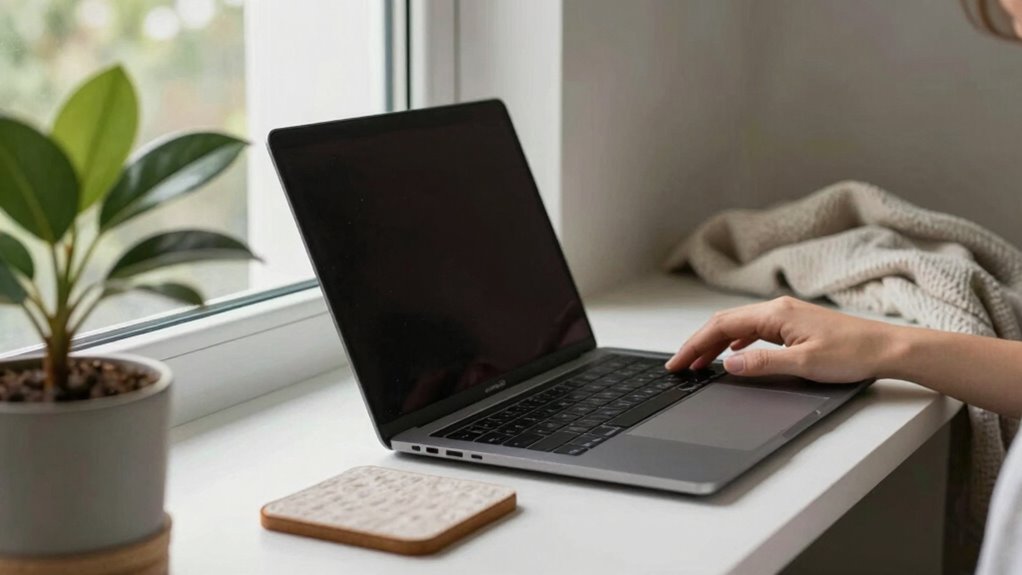
Developing daily habits can considerably help you control glare and create a more comfortable viewing environment. Start by being mindful of reflective surfaces around you, such as windows, screens, or shiny furniture, and adjust your habits accordingly. For example, make it a routine to check your surroundings and reposition objects that cause unwanted reflections. Cultivating personal habits like regularly cleaning screens, avoiding direct sunlight on reflective surfaces, and using natural light effectively can make a big difference. Consistently managing how you interact with your environment reduces glare without extra expenses. Over time, these small adjustments become second nature, helping you maintain ideal visibility and comfort. Developing these habits ensures you stay proactive in minimizing glare and creating a more pleasant space.
Frequently Asked Questions
Can Plants Help Reduce Glare in My Workspace?
Yes, plants can help reduce glare in your workspace. By strategically placing plants near windows or screens, you can block or diffuse incoming light. Opt for plants with dense foliage to maximize coverage, which minimizes harsh reflections. Regularly adjusting their placement allows you to control glare better without purchasing new items. Incorporate different heights and foliage densities for an effective, natural way to improve your workspace lighting.
Are There Natural Remedies to Lessen Glare Without Equipment?
Think of glare as a stubborn shadow that you can gently dissolve. You can try natural remedies like adjusting your screen angle or adding a matte cloth over reflective surfaces to diffuse light. Anti glare techniques such as positioning your workspace away from direct sunlight or using homemade solutions like a vinegar wipe can also help. These simple, natural remedies keep your eyes comfortable without needing to buy anything.
How Does Color Choice in Decor Affect Glare Levels?
Choosing the right colors in your decor can substantially impact glare levels. Light, matte shades like soft blues, greens, or neutrals help diffuse light, reducing glare, while darker or glossy colors can reflect more light and increase glare. Color psychology suggests calming tones promote comfort, and thoughtful decor lighting enhances these effects. By selecting appropriate colors, you can create a visually comfortable space without investing in new equipment.
Can Specific Clothing or Accessories Reduce Eye Strain From Glare?
Wearing sunglasses for glare can help reduce eye strain, especially in bright conditions. Look for sunglasses with anti-reflective coatings for better protection. Additionally, consider anti-reflective clothing, like shirts or hats with matte finishes, which minimize reflective surfaces around your eyes. These options can effectively reduce glare without needing to make any purchases, making your outdoor experiences more comfortable and less straining on your eyes.
What Are Quick Fixes for Glare During Unexpected Bright Days?
On bright, unexpected days, you can quickly reduce glare by adjusting window treatments like closing blinds or curtains to block direct sunlight. If you don’t have sunglasses, try using your hand or a piece of paper as a makeshift shade to shield your eyes. These simple sunglasses alternatives and window adjustments help you stay comfortable and see clearly without spending extra money.
Conclusion
By mastering these simple tricks, you’ll turn glare from a relentless monster into a distant memory—like banishing a pesky shadow that’s been stealing your focus! No fancy gadgets needed, just your cleverness and a few household hacks. Soon, your space will be so glare-free, you’ll wonder how you ever survived the blinding chaos. Say goodbye to squinting and hello to crystal-clear, glare-free days—your eyes will thank you for the makeover!