

Movie ratings differ around the world due to cultural values and societal norms that shape what’s deemed acceptable. For example, a film rated PG-13 in the U.S. may get an R rating in Australia due to stricter views on certain content. Each country’s rating system focuses on various factors like violence, language, and sexual content. Understanding these differences is essential for selecting films that align with your preferences, and there’s more to uncover about this fascinating topic.
Key Takeaways
- Movie rating systems vary significantly by country, reflecting unique cultural values and societal norms regarding content acceptability.
- Different organizations, like the MPAA and BBFC, use various criteria focusing on violence, language, and sexual content for ratings.
- A film rated PG-13 in the U.S. may receive a different rating, such as R, in countries like Australia due to cultural differences.
- Censorship policies and regulatory bodies enforce guidelines that dictate acceptable levels of content, impacting how films are rated globally.
- Understanding these differences in movie ratings enhances viewers’ ability to select films aligned with their cultural preferences and sensitivities.

Alkkign Cinema Neon Sign Arrow Neon Light for Wall Decor Movie Theater Led Neon Signs Movie Led Neon Lights for Home Theater Film Room Commercial Theater Store Decoration
Safe&Durable: Cinema arrow neon sign is made of high-quality acrylic and LED light strips. The cinema neon light...
As an affiliate, we earn on qualifying purchases.
Understanding the Importance of Movie Ratings Across Cultures

While you may not think about it often, movie ratings play an essential role in how films are perceived and consumed across different cultures. The significance of these ratings shapes your viewing choices, guiding you toward content that aligns with your values and beliefs. In some cultures, a film’s rating reflects societal norms, influencing what’s deemed acceptable or offensive. You might find that certain genres are embraced or shunned based on these cultural perceptions, affecting box office success. Additionally, ratings can impact how filmmakers approach storytelling, pushing them to contemplate the cultural climate of their audience. Ultimately, understanding the importance of movie ratings helps you appreciate the diverse landscape of cinema around the world.

VEVOR Commercial Popcorn Machine, 8 Oz Kettle, 850 W Countertop Popcorn Maker for 48 Cups per Batch, Theater Style Popper with 3-Switch Control Steel Frame Tempered Glass Doors 2 Scoops 2 Spoons, Red
Powerful Heating, High Yield: This commercial popcorn machine boasts 850W of power and an 8 oz kettle, popping...
As an affiliate, we earn on qualifying purchases.
How Global Movie Rating Systems Function

As you explore the world of cinema, you’ll notice that global movie rating systems vary considerably, each designed to guide viewers in making informed choices. These systems employ different global classifications based on cultural values and societal norms. For instance, some countries prioritize family-friendly content, while others are more lenient with adult themes. The rating criteria can include factors like violence, language, sexual content, and drug use. Organizations responsible for ratings, such as the MPAA in the U.S. or the BBFC in the UK, evaluate films against these criteria to assign appropriate ratings. Understanding these systems helps you navigate film options and select movies that align with your personal preferences and comfort levels.

Nostalgia Popcorn Maker Machine - Professional Cart With 8 Oz Kettle Makes Up to 32 Cups - Vintage Popcorn Machine Movie Theater Style - Red
POPCORN CAPACITY: Whether movie time or snack time, this vintage popcorn machine stand pops up to 32 cups...
As an affiliate, we earn on qualifying purchases.
What Are the Major Differences in Movie Ratings?

When you look at movie ratings, you’ll notice that different systems use varying criteria to judge films. Cultural influences play a significant role in how these ratings are determined, affecting what’s acceptable in one region versus another. Understanding these differences can help you navigate the viewing experience more effectively.
Rating Systems Overview
Although movie ratings serve a similar purpose of guiding viewers on content suitability, they vary considerably across different systems. Different countries use unique rating scales that reflect their cultural values and audience demographics. For instance, the MPAA in the United States employs a letter-based system, while the BBFC in the UK uses age-based classifications. In some regions, ratings focus more on violence or language, while others might emphasize sexual content. This variability can lead to confusion, especially for international audiences. Understanding these differences can help you choose films that align with your preferences and comfort levels. Remember, what’s acceptable in one culture might not be in another, so always check the rating before diving into a new movie.
Cultural Influences on Ratings
Cultural values play a significant role in shaping how movie ratings differ across the globe. Your cultural perceptions and societal values influence what’s deemed acceptable in films. Here are four key differences you might notice:
- Violence: Some cultures tolerate violence more than others, affecting the rating.
- Sexual Content: Attitudes towards nudity and sexual themes vary widely, impacting ratings.
- Language: Swearing may be more accepted in certain societies, leading to different classifications.
- Censorship: In some countries, strict censorship laws dictate content, altering the rating process.
Understanding these factors helps you appreciate why a film rated R in one country might be PG-13 in another, reflecting diverse cultural influences on ratings.

Movie Theater Style 12-Count Popcorn Packs - Pre-Measured 8-Ounce All-in-One Kernel, Salt, Oil Packets for Popping Machines by Great Northern Popcorn
12 PACKS FOR POPCORN MACHINES - Make popping gourmet popcorn quick and hassle-free with these popcorn machine popcorn...
As an affiliate, we earn on qualifying purchases.
Exploring Country-Specific Rating Systems
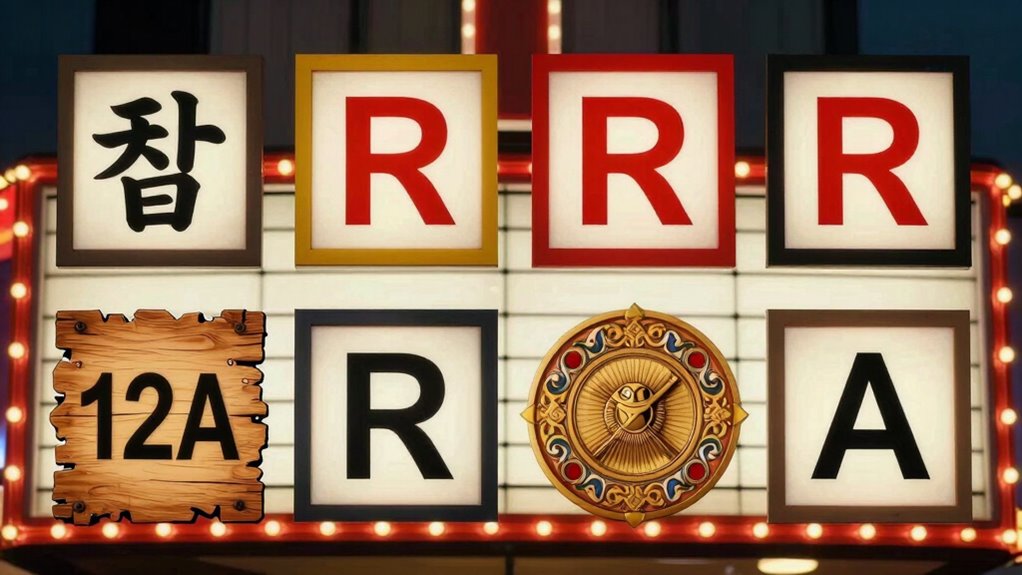
As you immerse yourself in the world of film, you’ll quickly notice that movie ratings can vary considerably from one country to another. Each nation employs its own country-specific criteria, reflecting cultural norms and values. For instance, while a movie might receive a PG-13 in the United States, it could be rated R in Australia due to different thresholds for violence or language. Rating system comparisons reveal how these differences can impact what you watch and how it’s perceived. In some countries, nudity and sexual content might be more heavily scrutinized, while others may focus on themes of violence. Understanding these systems helps you appreciate the diverse perspectives on film and storytelling around the globe.
How Governments Shape Movie Rating Systems
Governments play a vital role in shaping movie rating systems through regulatory bodies that enforce specific guidelines. These regulations reflect cultural norms and standards, influencing what content is deemed acceptable or inappropriate. As you explore this topic, consider how these factors vary across different countries and their impact on the film industry.
Regulatory Bodies and Influence
While movie ratings might seem like a straightforward system, they’re heavily influenced by regulatory bodies that shape how films are classified across different regions. These organizations impose strict guidelines on what content is acceptable, resulting in significant regulatory impact and rating enforcement. Here are four ways governments influence movie ratings:
- Content Guidelines: Establish rules on violence, sexuality, and language.
- Censorship Policies: Control which films can be screened based on societal values.
- Rating Systems: Create distinct classifications, such as G, PG, or NC-17.
- Public Campaigns: Promote awareness around content appropriateness, affecting audience perceptions.
Understanding these influences helps you appreciate why ratings vary so much across the globe.
Cultural Norms and Standards
Regulatory bodies don’t operate in a vacuum; they reflect the cultural norms and standards of their societies when shaping movie rating systems. You’ll notice that different countries prioritize various themes based on their unique societal values. For instance, a film that’s acceptable in one culture might be deemed offensive in another due to differing cultural sensitivities. Some governments may emphasize the protection of children from violence or sexual content, while others might focus on promoting freedom of expression. This alignment with cultural expectations means that movie ratings can vary markedly. By understanding these influences, you gain insight into why certain films receive specific ratings and how they resonate with audiences around the globe.
The Influence of Cultural Context on Movie Ratings

Cultural context plays an essential role in shaping how movies are rated around the world. When you consider various cultures, you’ll notice distinct interpretations of cultural symbolism and narrative themes. These nuances can lead to vastly different ratings. Here are four factors that influence movie ratings:
- Cultural values: What’s acceptable in one culture might be taboo in another.
- Historical context: Past events shape present perceptions and can affect how themes are received.
- Religious beliefs: Spiritual perspectives can heavily influence views on violence, sexuality, and morality.
- Social norms: Expectations around gender roles and family dynamics vary, impacting rating decisions.
Understanding these elements helps you appreciate why a film may be rated differently across borders.
Navigating Global Rating Challenges as a Filmmaker

As filmmakers aim to reach a global audience, they must navigate the complexities of varying movie rating systems that can greatly impact their work. Understanding global challenges means recognizing that what’s acceptable in one culture might be taboo in another. To succeed, you’ll need effective filmmaker strategies that include thorough research and flexibility. Rating adaptations may be necessary, allowing you to modify content while preserving your creative vision. Be aware of cultural sensitivities—what resonates with one audience might alienate another. By approaching these obstacles thoughtfully, you can craft films that not only comply with diverse rating systems but also connect with viewers worldwide, ultimately enhancing your film’s reach and success in the international market.
What Do Viewers Need to Know About International Film Ratings?

Have you ever wondered why a film that’s rated PG in one country might be rated R in another? Understanding international film ratings is essential for viewers, as these ratings reflect different cultural norms and values. Here are a few things you should know:
- Cultural Sensitivity: Different countries have varying thresholds for violence, language, and sexual content.
- Viewer Expectations: What’s acceptable in one culture may be shocking in another, influencing how films are rated.
- Rating Systems: Each country has its own rating board with unique criteria, leading to inconsistencies.
- International Perceptions: Films are often viewed through the lens of local customs, affecting their ratings.
Being aware of these factors can enhance your understanding of global cinema and its diverse perspectives.
Frequently Asked Questions
How Do Movie Ratings Affect Box Office Performance Globally?
Movie ratings play an essential role in box office performance globally. They influence audience perceptions and decisions, affecting box office trends in various international markets. A higher rating can attract a broader audience, boosting ticket sales, while a lower rating might limit viewership and revenue. You’ll often see films with favorable ratings gaining traction in markets where audiences prioritize quality content, ultimately impacting their overall success and profitability worldwide.
Are There Any Universal Standards for Movie Ratings?
No, there aren’t universal standards for movie ratings. While you might notice similar themes, cultural differences shape how countries classify films. For instance, what’s acceptable in one culture might be deemed inappropriate in another. Some countries have universal guidelines for age ratings, but they often adapt these to fit local values and norms. So, when you watch a movie, consider how its rating reflects the culture it comes from.
How Are Ratings Communicated to International Audiences?
Ratings are communicated to international audiences through various platforms like streaming services, film festivals, and promotional materials. Each region’s cultural perception influences how these rating systems are presented. You might notice that a film rated PG in one country could receive a different rating elsewhere due to local values and norms. This inconsistency can create confusion, but it highlights the importance of understanding how cultural differences shape viewers’ experiences with film.
Do Ratings Influence Film Production Decisions?
Yes, ratings definitely influence film production decisions. When you’re developing a movie, you consider the rating systems in your target markets, as they can affect audience reach. A film aimed at a broader audience might have a higher production budget to guarantee it meets the standards for a PG-13 rating, for instance. Conversely, if you opt for a more adult-oriented film, you might adjust your budget accordingly to align with its expected audience.
Can Movie Ratings Change After a Film’s Release?
Absolutely, movie ratings can change after a film’s release. Imagine a film that resonates with audiences but sparks cultural sensitivities—ratings may get adjusted to reflect that. Re-rating systems allow for this flexibility, ensuring films are accurately represented as perceptions evolve. Sometimes, what once felt acceptable may shift, prompting studios to reassess. By updating ratings, they honor diverse perspectives and foster a more inclusive viewing experience, ultimately benefiting both filmmakers and audiences alike.
Conclusion
In the world of cinema, understanding movie ratings is essential as you navigate diverse cultural landscapes. As the saying goes, “When in Rome, do as the Romans do.” By familiarizing yourself with different rating systems, you can better appreciate how cultural contexts shape viewer perceptions. Whether you’re a filmmaker or an avid moviegoer, recognizing these differences enhances your viewing experience and fosters a deeper connection to global storytelling. So, keep exploring and enjoy the rich tapestry of international cinema!