
Crunch sounds seem louder during quiet scenes because silence enhances your awareness of sound. When the background noise fades, your brain becomes more sensitive to whatever’s happening. This stark contrast makes those crunch sounds pop, creating a dramatic effect that heightens emotional responses. Plus, filmmakers strategically use silence to build anticipation, making those unexpected sounds even more impactful. There’s a lot more to discover about the techniques used in sound design that can amplify your viewing experience.
Open a free Amazon Business account
Business pricing, bulk buying and tax-exempt orders.
As an affiliate, we earn on qualifying purchases.
Key Takeaways
- Quiet scenes heighten sensitivity to sounds, making crunch sounds stand out more prominently and evoke stronger emotional responses.
- The contrast between silence and sound amplifies the impact of crunch sounds, creating memorable and dramatic moments for the audience.
- Sudden, loud crunch sounds in quiet settings trigger adrenaline, enhancing viewer engagement and creating lasting impressions.
- The dynamic range in sound design allows soft sounds to build tension, making subsequent crunch sounds feel more intense and significant.
- Strategic pauses before crunch sounds increase anticipation, making the auditory experience more impactful during quiet scenes.
The Role of Sound Design in Film and TV
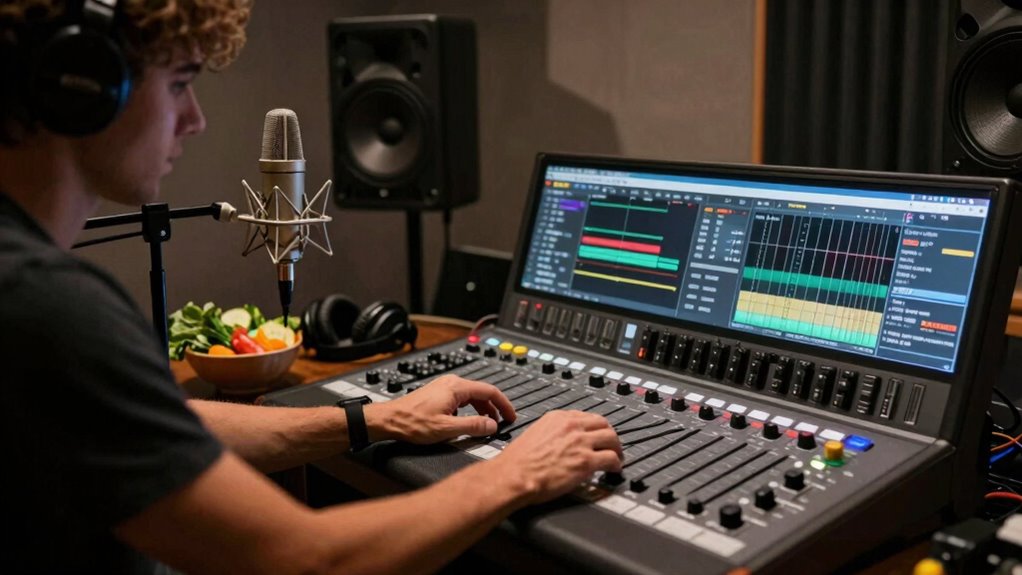
While you might think visuals are the main draw in film and TV, sound design plays an essential role in shaping your experience. It’s not just about what you see; it’s about how soundscapes creation enhances the emotional depth of a scene. Imagine watching a tense moment unfold in silence—without the sound of a heartbeat or the rustle of leaves, you’d miss the full impact. Auditory storytelling immerses you in the narrative, guiding your feelings and reactions. From the subtle hum of background noise to the sharp crunch of footsteps, these elements bring stories to life. Interestingly, AI-driven sound design is increasingly used to craft immersive auditory environments that adapt dynamically to the narrative. This technology can also optimize sound quality to ensure clarity and balance across different scenes. Ultimately, sound design weaves an intricate tapestry that complements visuals, making every moment resonate with greater significance and urgency.
The Science of Sound Perception

As you experience sound, your brain interprets a complex interplay of frequencies and amplitudes, shaping how you perceive different noises. Sound frequency plays a critical role in this process; higher frequencies often grab your attention more than lower ones. Your auditory perception is finely tuned to detect subtle changes in sounds, allowing you to differentiate between a whisper and a shout. When quiet scenes play out, your brain becomes more sensitive to any sound, making even a slight crunch seem amplified. This heightened awareness enhances your emotional response, drawing you deeper into the moment. Understanding how sound frequency and auditory perception work together helps explain why certain sounds resonate more during quieter settings, creating a powerful impact on your overall experience.
How Silence Enhances Sound Effects
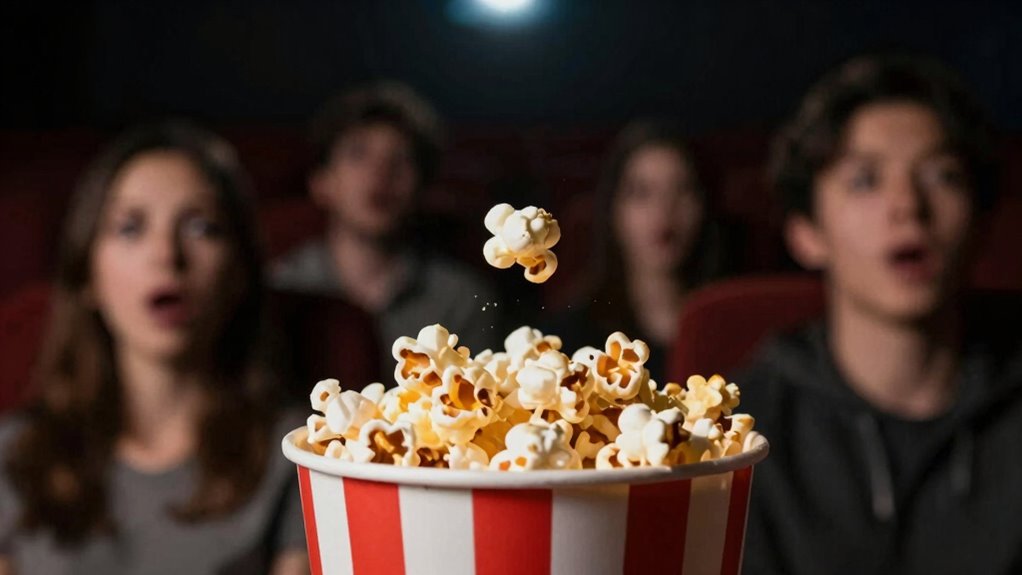
Silence can amplify sound effects, creating a striking contrast that makes even the simplest noises more impactful. When you experience moments of quiet, your sound perception heightens, allowing subtle audio details to resonate deeply. The absence of background noise makes the following sounds feel more intense and significant. Here are four ways silence enhances sound effects:
- Heightened Anticipation: The quiet builds suspense, making the eventual sound more thrilling.
- Emotional Weight: A sudden noise can evoke strong feelings, like shock or joy.
- Focus: Silence directs your attention to specific sounds, enhancing their importance.
- Memorable Moments: The contrast creates unforgettable audio experiences that linger in your mind.
This audio contrast transforms ordinary moments into powerful experiences.
Why Crunch Sounds Stand Out in Quiet Moments

In quiet moments, crunch sounds grab your attention due to sound design techniques that emphasize contrast. The auditory contrast principle shows how silence amplifies these noises, making them feel more impactful. This psychological effect can heighten your emotional response, drawing you further into the experience.
Sound Design Techniques
While you might not think about it, sound design plays an essential role in how crunch sounds resonate during quiet moments. By carefully crafting these sounds, creators enhance immersive experiences and elevate auditory storytelling. Here are four techniques that make crunch sounds stand out:
- Dynamic Range: Balancing soft and loud sounds creates tension.
- Panning: Moving sounds across the stereo field draws attention.
- Layering: Combining different crunch sounds adds depth and realism.
- Silence: Strategic pauses amplify the impact of crunch sounds, heightening emotional responses.
These techniques not only emphasize the crunch but also engage you, making each bite feel more dramatic and memorable. You’ll find yourself fully immersed in the experience, feeling every crunch as if it’s happening right next to you.
Auditory Contrast Principle
When you experience a moment of quiet, the contrast created by a sudden crunch sound grabs your attention like nothing else. This phenomenon can be explained by the auditory contrast principle, which highlights how your auditory perception reacts to variations in sound intensity. In a silent setting, even a soft crunch stands out, making it seem louder and more jarring than it would in a noisy environment. Your brain is wired to notice abrupt changes in sound, so the stark difference between silence and that crunch amplifies its impact. This heightened awareness enhances your emotional response, making quiet moments more engaging and the crunch sound more memorable. Ultimately, it’s this contrast that keeps you on your toes, fully immersed in the experience.
Psychological Impact of Silence
The stark silence surrounding you creates a psychological canvas that amplifies sound, making every crunch resonate with heightened significance. This silence effects your emotional responses, sharpening your focus on the moment. You feel more connected to the experience, heightening your awareness and anticipation. Additionally, the absence of external distractions allows your attention to become more finely tuned to subtle sounds, increasing their perceived loudness and emotional impact.
The Psychological Impact of Sudden Sounds

How do sudden sounds affect your mind? When you hear an unexpected noise, it grabs your auditory attention instantly. This jolt can trigger an emotional response, heightening your awareness and even causing a rush of adrenaline. Your brain’s fight-or-flight response kicks in, making you more alert to your surroundings. This reaction isn’t just a survival mechanism; it can also amplify your emotional connection to a scene in a film or moment in life. In quiet settings, when a sudden sound occurs, it seems louder and more impactful. You might feel startled, excited, or even anxious, depending on the context. These sudden auditory events can leave a lasting impression, influencing how you perceive and remember experiences.
How Contrast Enhances Audio Impact in Film
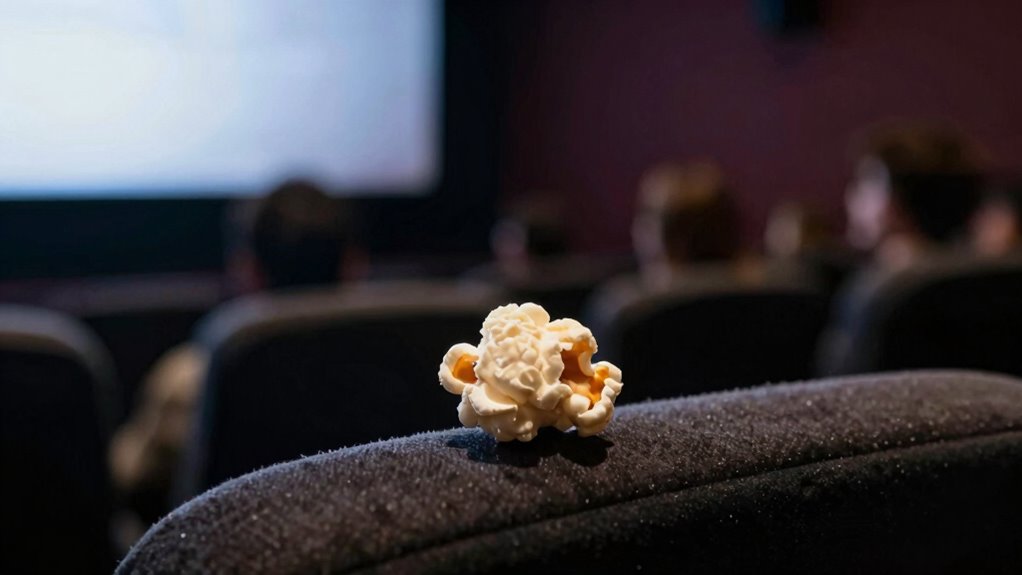
In film, the contrast between silence and sound can create a powerful emotional punch. You’ll notice how sound design techniques amplify this effect, making moments of quiet just as impactful as the loudest explosions. Understanding the dynamics of audio helps you appreciate how filmmakers manipulate these contrasts to engage you fully.
Sound Design Techniques
While crafting a film’s audio landscape, you’ll find that contrast plays a pivotal role in enhancing the overall impact. By utilizing sound layering and varying audio texture, you can evoke strong emotions from your audience. Here are four techniques to take into account:
- Silence: Use quiet moments to create tension, making subsequent sounds feel more intense.
- Layering Sounds: Combine different audio elements to create a rich, immersive experience.
- Dynamic Range: Play with volume levels to emphasize significant moments, like a crunch in a quiet scene. Understanding audio dynamics helps filmmakers manipulate sound levels effectively to heighten emotional responses.
- Frequency Variation: Mix high and low frequencies to keep the audience engaged and alert. Proper use of frequency ranges can prevent audio fatigue and maintain listener interest.
Implementing these techniques will amplify your film’s emotional resonance and make each sound count.
Psychological Effects of Silence
Silence can profoundly shape your audience’s emotional experience, often heightening the impact of the sounds that follow. By creating psychological tension, silence sharpens auditory focus, making every crunch or whisper feel more significant. When used effectively, quiet moments build anticipation, compelling viewers to lean in, fully engaged. Embracing the power of emotional connection through silence can deepen viewers’ immersion in a story. Here’s a quick breakdown of how silence enhances audio:
| Effect | Description | Example |
|---|---|---|
| Heightened Tension | Builds suspense through absence | A character hiding silently |
| Increased Impact | Makes subsequent sounds more jarring | A sudden loud noise |
| Enhanced Focus | Draws attention to key audio elements | A heartbeat in a quiet scene |
| Emotional Weight | Evokes stronger feelings | A poignant silence before a reveal |
| Dramatic Contrast | Amplifies differences in sound levels | Soft dialogue followed by an explosion |
Importance of Audio Dynamics
Creating a stark contrast in audio levels can dramatically enhance the overall impact of a film. By manipulating audio contrasts, filmmakers tap into the dynamic range, making sounds feel more significant and emotionally charged. Here are four ways this technique evokes emotion in you:
- Tension Building: Soft sounds create suspense before a loud, shocking noise.
- Sadness: A quiet, somber score amplifies a character’s grief when contrasted with a sudden loud event.
- Joy: A soft lullaby can shift into a jubilant celebration, heightening your emotional response.
- Fear: Silence followed by a sudden crash jolts you, heightening fear and surprise.
When used effectively, these audio dynamics draw you deeper into the film’s narrative, ensuring you feel every moment.
Effective Sound Design Techniques for Impact

Sound design is essential for crafting impactful experiences in film, video games, and other media. To create an emotional response, you can utilize effective techniques such as sound layering and dynamic range. By layering various sound elements, you build a rich auditory landscape that enhances the overall experience.
| Emotion | Sound Element |
|---|---|
| Tension | Distant footsteps |
| Joy | Laughter |
| Fear | Whispering winds |
| Nostalgia | Melodic chimes |
| Surprise | Sudden crashes |
Using a wide dynamic range allows subtle sounds to contrast with louder ones, making those crunch moments even more striking. These techniques help keep your audience engaged and invested in the story.
Cultural Influences on Sound Design Techniques

While many sound design techniques are universal, cultural influences profoundly shape how sound is perceived and utilized in media. Different cultures have unique auditory symbolism, impacting how you connect with a scene. Here are four ways cultural soundscapes evoke emotion:
- Instruments: Traditional instruments can create nostalgia or a sense of belonging.
- Nature Sounds: Local wildlife or environmental sounds can enhance authenticity and immersion.
- Rhythms: Distinct cultural rhythms can energize or calm, influencing your emotional response.
- Silence: The use of silence varies; in some cultures, it signifies respect, while in others, it may create tension. Additionally, sound symbolism plays a role in how audiences interpret auditory cues based on cultural context. Recognizing cultural acoustics reveals how soundscapes are crafted to resonate deeply within specific cultural frameworks, influencing emotional reactions.
Real-Life Examples of Impactful Sound Use

Think about your favorite movies and those unforgettable moments that stick with you long after the credits roll. You probably remember how sound design amplified the tension or joy, making those scenes even more impactful. Let’s explore some iconic examples where sound played an essential role in storytelling.
Iconic Movie Moments
When filmmakers expertly harness sound, they create moments that linger in our minds long after the credits roll. Iconic soundscapes enhance memorable scenes, pulling you deeper into the story. Here are four examples that showcase impactful sound use:
- Jaws: The infamous two-note motif signals danger, instantly raising tension as the shark approaches.
- Star Wars: Lightsaber clashes create an electric atmosphere, immersing you in epic battles.
- Inception: The haunting “braaam” sound intensifies the film’s dreamlike sequences, leaving you breathless.
- The Silence of the Lambs: The chilling absence of sound in key moments amplifies fear and suspense.
These sound choices not only evoke emotion but also become part of cinematic history, forever etched in your memory.
Sound Design Techniques
Sound design techniques play a pivotal role in shaping our auditory experiences, much like the iconic soundscapes in films. Think about how spatial audio immerses you in a scene, allowing sounds to move around you, creating a sense of place. For instance, in a tense thriller, the subtle rustle of leaves can feel like it’s right next to you, heightening suspense. This use of sound pulls you in, enhancing emotional resonance between the characters and their environment. You can’t help but feel the weight of those quiet moments when every crunch or whisper echoes sharply. By manipulating these elements, sound designers craft unforgettable experiences that linger long after the credits roll, making you acutely aware of the world around you.
What’s Next for Sound Design in Storytelling?
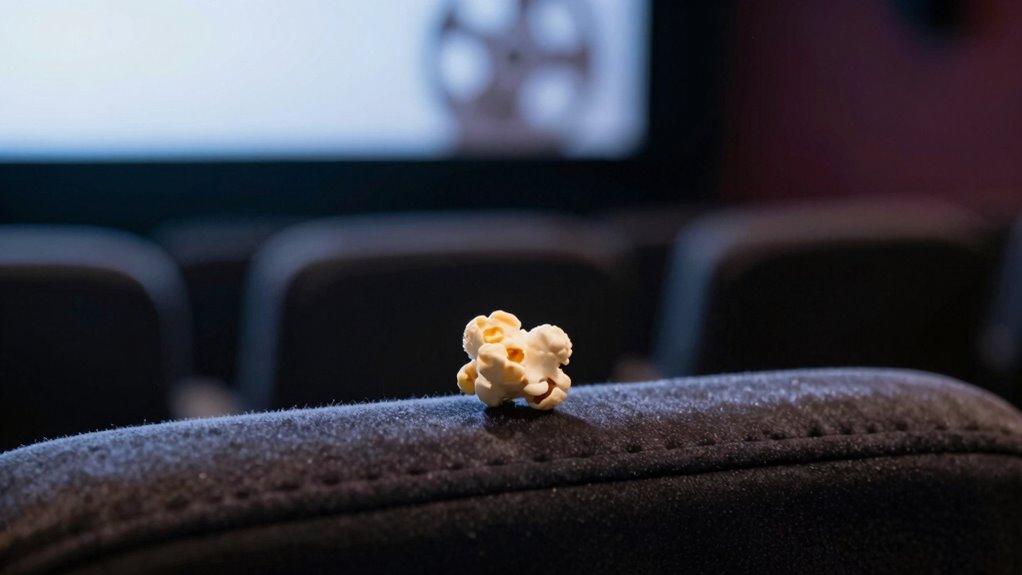
How do creators push the boundaries of sound design to elevate storytelling? By embracing innovative techniques, they craft immersive experiences that enhance narratives in compelling ways. Here’s how they evoke emotion:
- Layered Soundscapes: Combining multiple audio elements creates depth, drawing you deeper into the story. This technique often involves multilayered audio to build rich, textured sound environments.
- Dynamic Range: Utilizing silence and sudden sounds heightens tension and surprise, pulling you into the moment.
- Personalized Audio: Adapting sound design to individual preferences makes the experience more relatable and impactful.
- Spatial Audio: Creating a three-dimensional sound environment enables you to feel as if you’re part of the scene.
- Sound Calibration: Fine-tuning sound levels and frequencies ensures clarity and prevents audio distortion, maintaining immersion. Additionally, integrating innovative sound techniques allows creators to craft more compelling and emotionally resonant experiences. For example, advancements in sound calibration enable precise control over audio fidelity, further elevating storytelling quality.
These approaches not only enhance the narrative but also redefine how you connect with the story, making each moment unforgettable.
Frequently Asked Questions
How Do Filmmakers Choose Specific Sounds for Scenes?
Filmmakers choose specific sounds for scenes by carefully considering sound selection based on the scene context. They assess the emotions they want to evoke and the atmosphere they aim to create. By analyzing each moment, they select sounds that amplify tension or enhance the narrative. This thoughtful approach guarantees that every sound complements the visuals, making the experience more immersive for you as the viewer. Ultimately, it’s about crafting a cohesive storytelling experience.
What Equipment Is Used to Capture Crunch Sounds?
To capture crunch sounds, you typically use high-quality microphones, like dynamic or condenser types. These microphones excel at picking up detailed sound recordings, making them ideal for crunchiness. You’d position them close to the source, ensuring the sound is crisp and clear. Additionally, using a portable recorder can help you capture those sounds in various environments, allowing for flexibility in sound recording. Ultimately, the right equipment enhances the impact of the crunch in your scene.
Are There Cultural Differences in Sound Perception?
Yes, there are cultural differences in sound perception. You’ll notice that various cultures create distinct auditory symbolism within their cultural soundscapes. For instance, certain sounds might evoke feelings of calmness in one culture while causing discomfort in another. These differences shape how you interpret and respond to sounds, highlighting the diverse ways people connect with their auditory environments. Understanding these variations can deepen your appreciation for the richness of global sound experiences.
How Does Silence Affect Audience Engagement?
Silence dramatically boosts audience engagement by sharpening your attention. When a scene drops to silence, you find yourself more focused, anticipating what happens next. This heightened awareness amplifies your emotional response, making you feel every subtle nuance. It’s in these quiet moments that tension builds, drawing you deeper into the narrative. You can’t help but lean in, keen to catch the next sound or shift in tone, heightening the entire experience.
Can Sound Design Influence Viewer Emotions?
Absolutely, sound design can profoundly influence viewer emotions. By using auditory cues, you create layers of emotional resonance that pull you into the story. For instance, a subtle score can heighten tension, while silence might make a sudden sound jarring. When you notice how music and sound effects interact, you’ll realize they shape your feelings, guiding your reactions and deepening your connection to the characters and narrative unfolding on screen.
Conclusion
So next time you hear a crunch in a quiet scene, remember it’s not just your imagination—it’s the art of sound design at work. You might think loud sounds are disruptive, but they actually heighten your emotional experience and draw you deeper into the story. Embracing these moments can make the film or show more immersive. By paying attention to how silence and sound interact, you’ll appreciate storytelling in a whole new way.
Evergreen bestsellers Picks
bestsellers
As an affiliate, we earn on qualifying purchases.