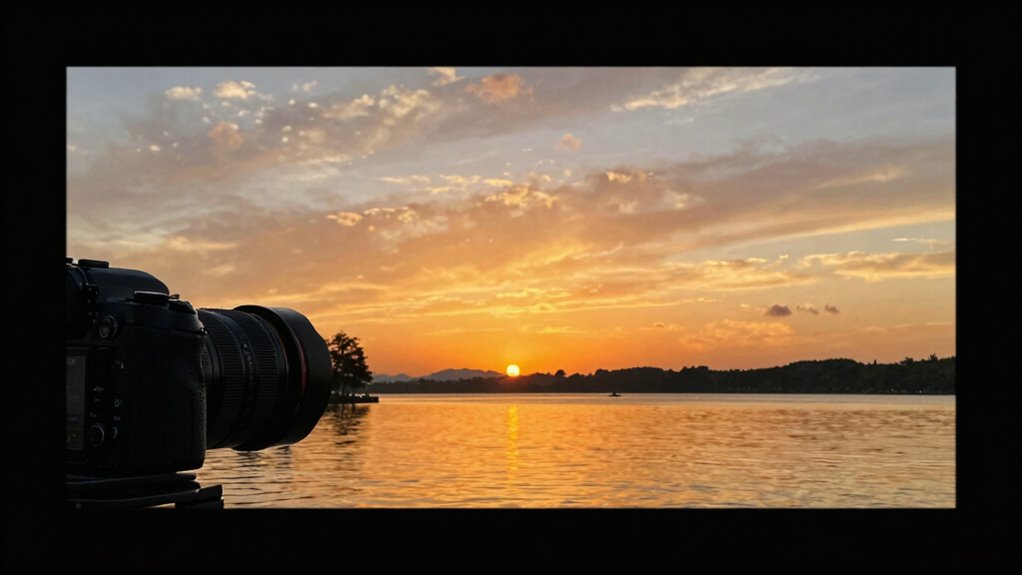

Aspect ratios define an image’s width compared to its height, and they greatly impact your viewing experience. The black bars you often see on screens occur when the content’s aspect ratio doesn’t match your device’s display. For instance, letterboxing creates black bars at the top and bottom for wider formats, while pillarboxing adds bars on the sides for narrower ones. Understanding these concepts can enhance your appreciation of visual media, and there’s more to discover about aspect ratios and their effects.

Get movie nights delivered free with Prime
- Fast, free delivery on millions of items
- Prime Video, Amazon Music and more included
- Member-only deals all year
Key Takeaways
- Aspect ratios define the width-to-height relationship of images, impacting composition and viewer experience.
- Black bars, or letterboxing, appear when displaying wider formats on narrower screens to maintain original composition.
- Pillarboxing introduces black bars on the sides for narrower formats to prevent cropping of essential visuals.
- Proper aspect ratio selection enhances immersion and emotional engagement in films and videos.
- Understanding aspect ratios helps viewers appreciate cinematic experiences while minimizing distractions from black bars.
What Is an Aspect Ratio and Why Does It Matter?
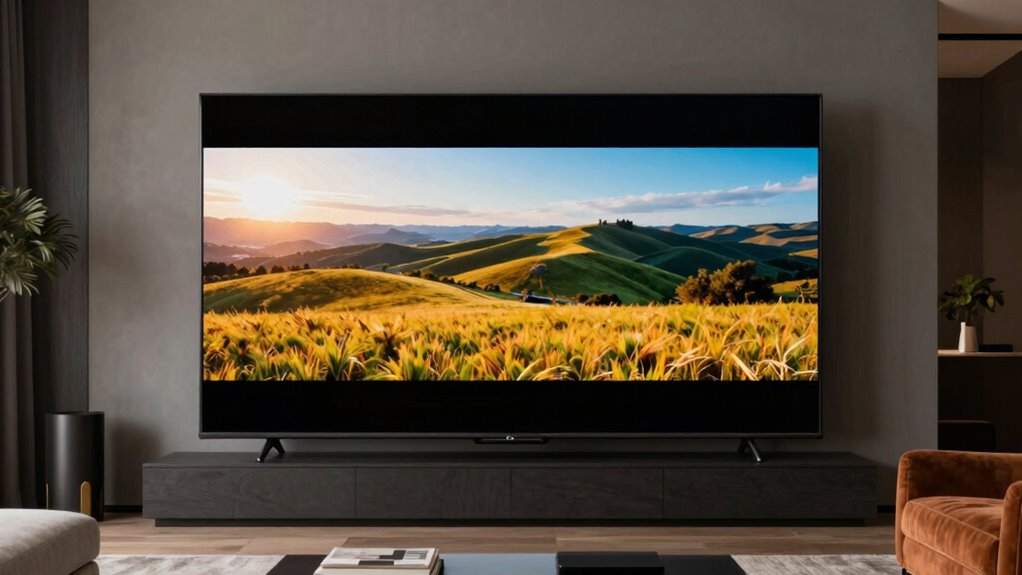
When you watch a movie or browse photos, you might not realize how much the aspect ratio affects your experience. An aspect ratio is a mathematical definition of the width versus height of an image. Common aspect ratio definitions include 16:9 for widescreen films and 4:3 for older TV shows. The significance of aspect ratios lies in how they frame a scene, influence composition, and shape your emotional response. A wider aspect ratio can create a more immersive experience, while a taller one might evoke intimacy. Understanding these definitions helps you appreciate why some films feature black bars and others don’t. So, next time you watch, pay attention to the aspect ratio; it plays an essential role in storytelling.
Common Aspect Ratios in Movies and Games
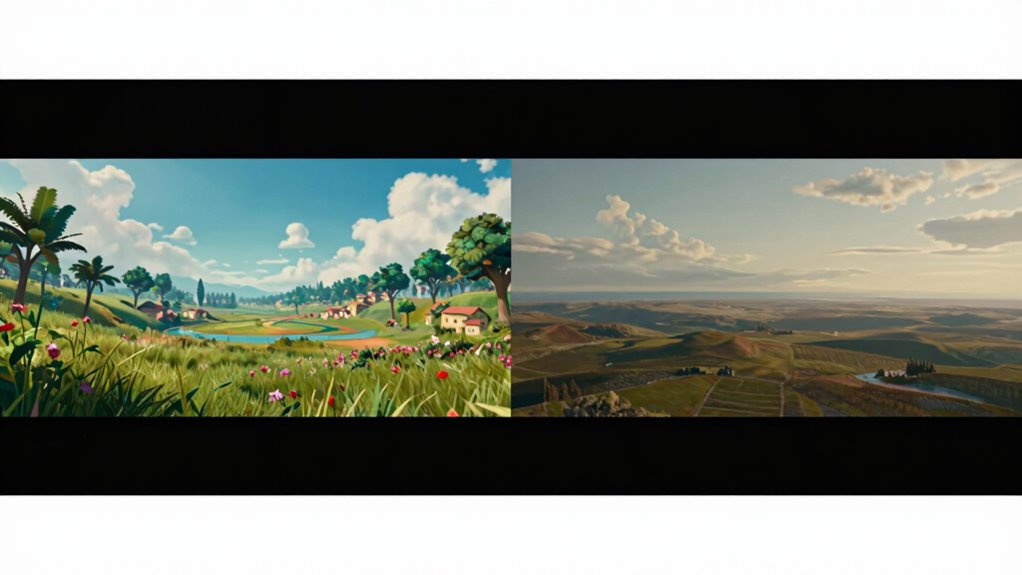
As you plunge into the world of movies and games, you’ll quickly notice that different aspect ratios serve distinct purposes, enhancing various storytelling techniques. Each aspect ratio creates a unique viewing experience, whether in cinematic formats or gaming resolutions. Here are some common ones to keep in mind:
- 1.33:1 (4:3) – Classic television and early films.
- 1.85:1 – Common in modern cinema, providing a balance between width and height.
- 2.35:1 (Cinemascope) – Epic films, emphasizing expansive visuals.
- 16:9 – Standard for HD TVs and gaming, offering a wider field of view.
- 21:9 – Ultra-wide format, immersing viewers in cinematic experiences.
Understanding these ratios can deepen your appreciation for visual storytelling in both movies and games.
How Aspect Ratios Impact Your Viewing Experience
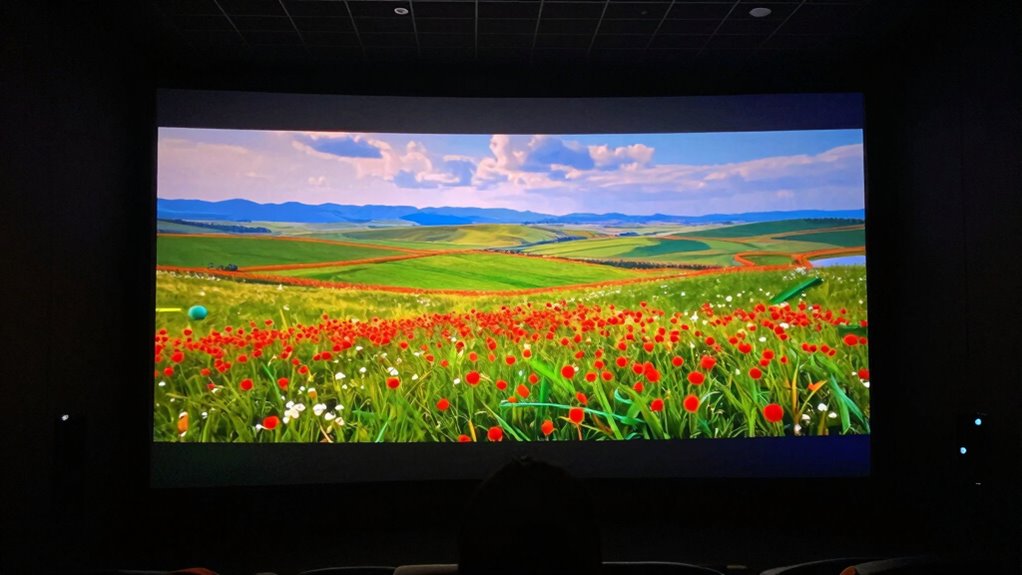
Aspect ratios greatly shape how you experience visual media, influencing everything from emotion to immersion. When you sit down to watch a film or play a game, the aspect ratio affects what you see and how you feel about it. If you prefer wide landscapes, a cinematic aspect ratio like 2.35:1 enhances that experience, pulling you deeper into the story. On the other hand, a more standard ratio might make you feel confined. Your viewing preferences play a vital role in this. A well-chosen aspect ratio can boost cinematic immersion, allowing you to connect with characters and settings more profoundly. Ultimately, the right ratio can transform a simple viewing into an unforgettable experience, enhancing every moment on screen.
What Are Letterboxing and Pillarboxing?

Understanding letterboxing and pillarboxing can greatly enhance your viewing experience, especially when dealing with different aspect ratios. These techniques help maintain the original composition of films and videos, even if your screen doesn’t match their format. Proper aspect ratio management ensures you see the content as intended without distortion or cropping.
- Letterboxing: Black bars appear at the top and bottom of the screen for wider formats.
- Pillarboxing: Black bars appear on the sides for narrower formats.
- Aesthetic Preservation: Both methods keep the filmmaker’s vision intact.
- Avoiding Cropping: You won’t miss any vital parts of the scene.
- Viewing Comfort: These techniques help you focus without distractions.
Why Do Devices Display Black Bars?
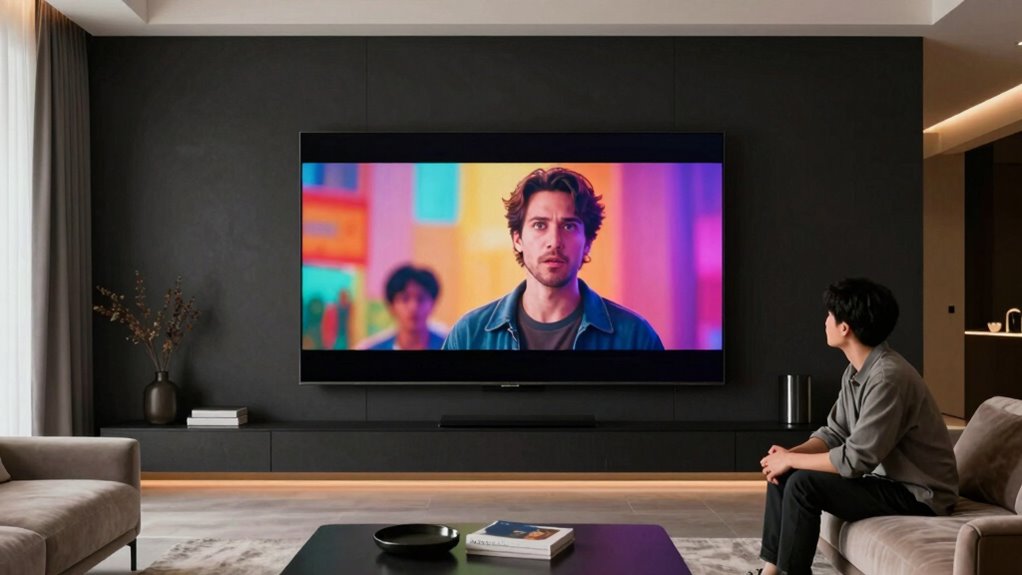
Why do devices display black bars when you’re trying to enjoy your favorite movie or show? These black bars are often the result of mismatched aspect ratios between the content and your screen size. When a film or show is produced in a wider format, it may not fit perfectly on your device’s screen, leading to those frustrating black bar causes. For instance, if you’re watching a cinematic movie on a standard television, the width of the film doesn’t align with the screen’s dimensions, prompting those black bars to appear on the sides or top and bottom. This guarantees you see the entire picture without distortion, but it can be annoying when you just want to immerse yourself in the story.
How to Adjust Aspect Ratios on Your Devices
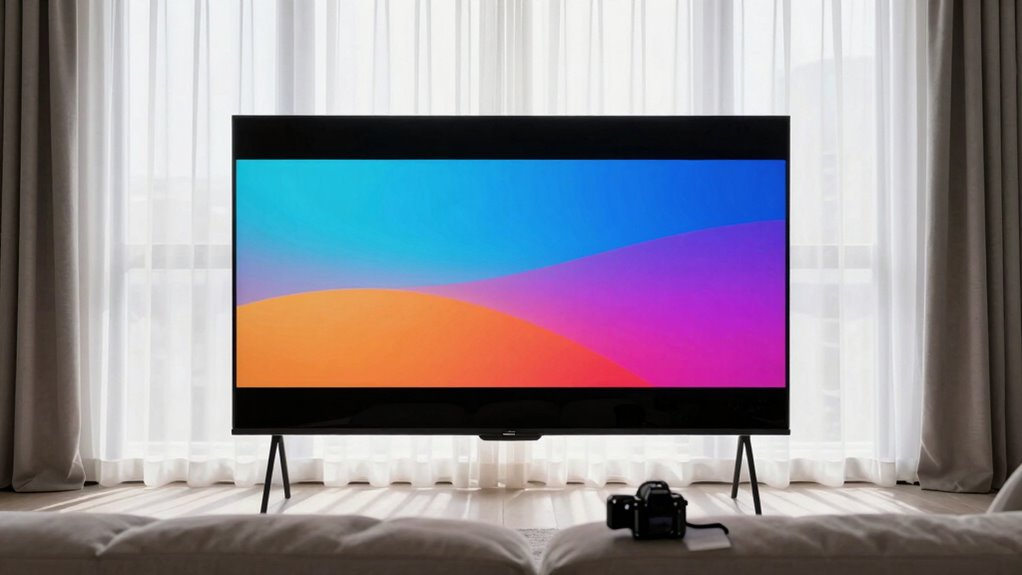
If you’re tired of those distracting black bars while watching your favorite content, adjusting the aspect ratio on your devices can help. Here’s how to do it:
- Check your device compatibility: Verify your device supports changing aspect ratio settings.
- Access display settings: Go to your settings menu and look for display options.
- Select the right aspect ratio: Choose an option that matches your content, like 16:9 or 4:3.
- Adjust video player settings: If you’re using a specific app, check its settings for aspect ratio adjustments.
- Test different formats: Experiment with various settings to find the best fit for your viewing experience.
- Understand content formats: Knowing common video aspect ratios can help you choose the most suitable display settings.
How Aspect Ratios Shape Movies and Stories
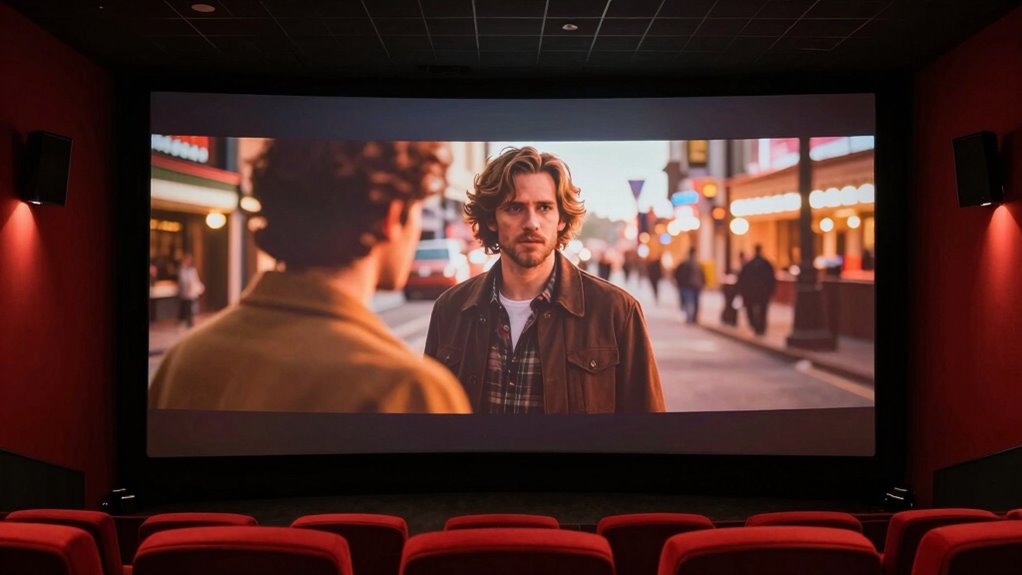
Aspect ratios play a crucial role in how you experience movies and stories, as they frame the visual narrative and influence emotional engagement. When filmmakers choose an aspect ratio, they’re using a powerful storytelling technique that dictates how you perceive the action on screen. A wider ratio, like 2.35:1, often creates a grand, epic feel, drawing your eyes across sweeping landscapes. Conversely, a more squared ratio can evoke intimacy, focusing on character expressions and emotions. This careful visual composition guides your reactions, making you feel connected to the story. As you watch, you might not consciously notice the aspect ratio, but its impact shapes your overall experience, enhancing the storytelling in ways that resonate deeply.
The Changing Landscape of Aspect Ratios in Film and Media
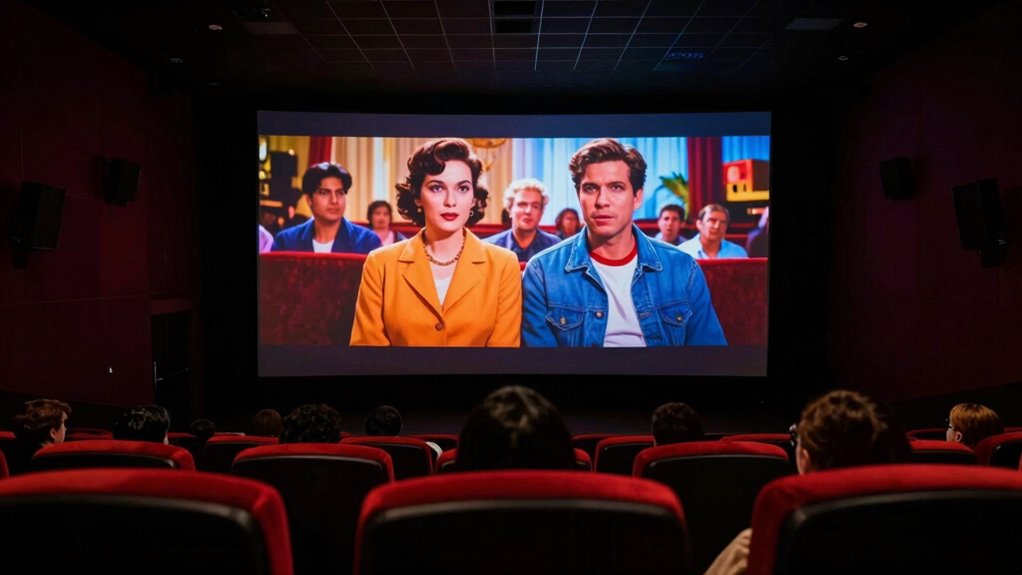
As filmmakers explore new storytelling techniques, the landscape of aspect ratios in film and media has evolved dramatically. With the rise of digital streaming and emerging formats, you might notice a shift in how stories are presented. Here are some key trends:
The evolution of aspect ratios in film reflects a dynamic shift in storytelling and audience engagement.
- Widescreen formats gaining popularity for cinematic experiences.
- Vertical video becoming prevalent with mobile content creation.
- Custom aspect ratios used to enhance storytelling in unique ways.
- Standardization as platforms adapt to various device screens.
- Experimental ratios allowing for artistic expression in independent films.
These changes reflect a broader embrace of creativity and adaptability, ensuring that filmmakers can engage audiences in compelling ways across different platforms.
Tips for Choosing the Right Aspect Ratio for Your Content
When choosing an aspect ratio, think about the devices your audience will use to view your content. Different content types call for different ratios, so match them accordingly to enhance viewer experience. Making the right choice can greatly impact how your message is received.
Consider Your Audience’s Device
Choosing the right aspect ratio for your content hinges on understanding your audience’s device preferences. Knowing what devices your audience uses helps guarantee device compatibility and enhances their viewing experience. Here are some tips to contemplate:
- Smartphones: Opt for a 16:9 or 9:16 ratio to fit mobile screens.
- Tablets: A 4:3 ratio is often ideal for tablet viewing.
- Laptops/Desktops: Stick with 16:9, as it’s standard for most computer displays.
- Social Media: Think about platform-specific ratios; for instance, 1:1 for Instagram.
- Video Content: Use 21:9 for cinematic experiences, appealing to film enthusiasts.
Match Content Type Appropriately
Selecting the right aspect ratio for your content depends on its type and intended purpose. If you’re creating cinematic videos, consider using letterbox techniques to enhance the viewing experience. This approach gives your content a more professional look while maintaining the film’s original composition. On the other hand, if you’re working with standard video formats or web content, you might want to use pillarbox effects to fit your visuals properly without cropping important elements. Always think about how your chosen aspect ratio will affect the viewer’s experience. By matching the aspect ratio to your content type, you can effectively engage your audience and guarantee they appreciate your work without unnecessary distractions or black bars. Additionally, understanding contrast ratio can help ensure your images look vibrant and detailed across different aspect ratios.
Frequently Asked Questions
Can Aspect Ratios Affect the Emotional Impact of a Film?
Yes, aspect ratios can greatly affect the emotional impact of a film. When you watch a movie, the chosen aspect ratio shapes the visual composition and influences how you perceive the story. A wider ratio often enhances epic scenes, making you feel more immersed, while a narrower one can create intimacy, drawing you closer to characters. By carefully selecting the aspect ratio, filmmakers enhance emotional storytelling, eliciting stronger feelings and reactions from you as an audience.
Why Are Some Older Films Presented in Different Aspect Ratios?
Some older films are presented in different aspect ratios due to the various film formats used at the time. Each format served a specific purpose, shaped by historical context, artistic choices, and technological limitations. Directors and cinematographers often chose these ratios to enhance storytelling or create a particular mood. When you watch these films, you’re experiencing a piece of history that reflects the evolving standards and creativity in filmmaking throughout the years.
Do Video Games Have Fixed Aspect Ratios?
Video games don’t have fixed aspect ratios; they often adapt to various screen sizes and resolutions. While many games are designed for specific gaming formats, like 16:9 or 4:3, they can stretch or crop to fit different displays. Most modern games allow you to adjust settings, ensuring you get the best experience on your monitor. So, whether you’re playing on a console or PC, you’ll likely find options to customize your display.
How Does Aspect Ratio Influence Cinematography Techniques?
Aspect ratio shapes your visual storytelling, like a painter choosing a canvas. It influences your framing techniques, guiding the audience’s gaze and crafting emotions. A wider frame invites expansive landscapes, while a narrower one tightens focus, enhancing tension. You’ll find that each choice molds the narrative, whether capturing vast horizons or intimate moments. By understanding aspect ratios, you reveal the potential to evoke deeper connections, transforming your scenes into a vivid tapestry of experience.
Are There Standard Aspect Ratios for Social Media Content?
Yes, there are standard aspect ratios for social media content. For Instagram Stories, you’ll want a 9:16 ratio, while Facebook Posts typically use 1:1 or 4:5. When creating YouTube Thumbnails, stick to a 16:9 ratio for best results. For Twitter Videos, a 16:9 or 1:1 ratio works well. Adhering to these guidelines guarantees your content looks great and engages viewers effectively across different platforms.
Conclusion
In the world of film and media, understanding aspect ratios is key to enhancing your viewing experience. As the saying goes, “You can’t judge a book by its cover,” and the same applies to movies—don’t let black bars deter you from appreciating the story. By knowing how aspect ratios work and adjusting them on your devices, you can guarantee that every frame captivates you. Embrace the beauty of different formats, and let your viewing journey be as rich as possible!
Halloween Picks
halloween
As an affiliate, we earn on qualifying purchases.