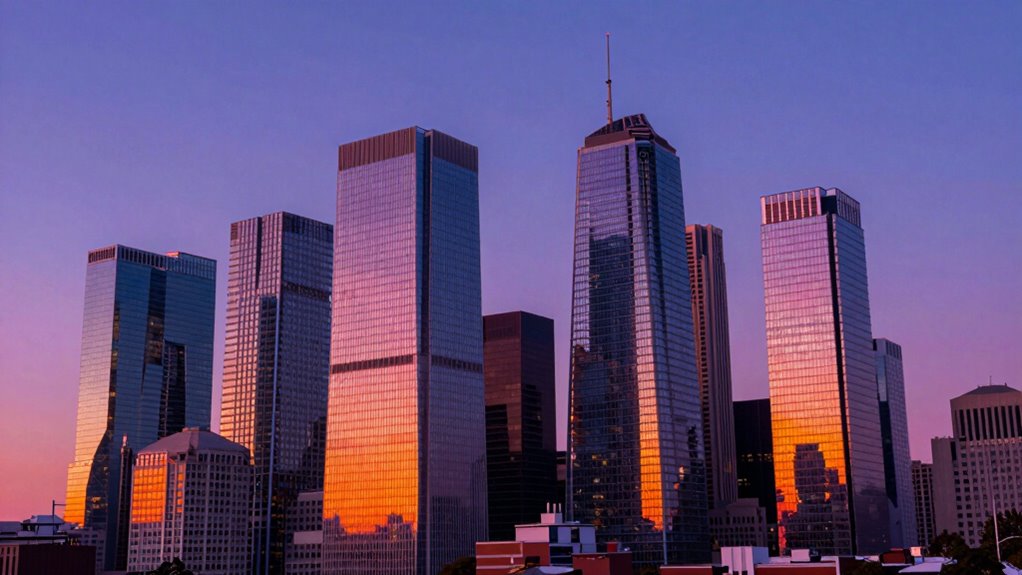

HDR stands for High Dynamic Range, which aims to capture and display a broader range of light and color for more realistic images. However, if overapplied or misunderstood, it can make photos look unnatural by oversaturating colors or creating unrealistic contrast. Poor calibration or incorrect settings can also worsen the appearance. To get the best results, you need to understand how HDR works and fine-tune your display. Keep exploring to learn how to optimize your images and devices.

Get movie nights delivered free — and shop member deals
- Fast, free delivery on millions of items
- Access to Prime Big Deal Days deals on October 6–7
- Prime Video, Amazon Music and more included
Key Takeaways
- HDR combines multiple exposures to expand dynamic range but can look worse if overdone, creating unnatural contrast and colors.
- Excessive HDR processing can wash out details, oversaturate colors, or flatten textures, reducing image realism.
- Proper calibration of displays and scene-specific adjustments are essential to prevent HDR from appearing artificial.
- Overapplication of contrast and brightness in HDR can cause clipping or unnatural highlights and shadows.
- Choosing appropriate HDR modes and equipment, along with fine-tuning settings, helps achieve more natural, visually pleasing results.
Why Does HDR Sometimes Make Images Look Worse?
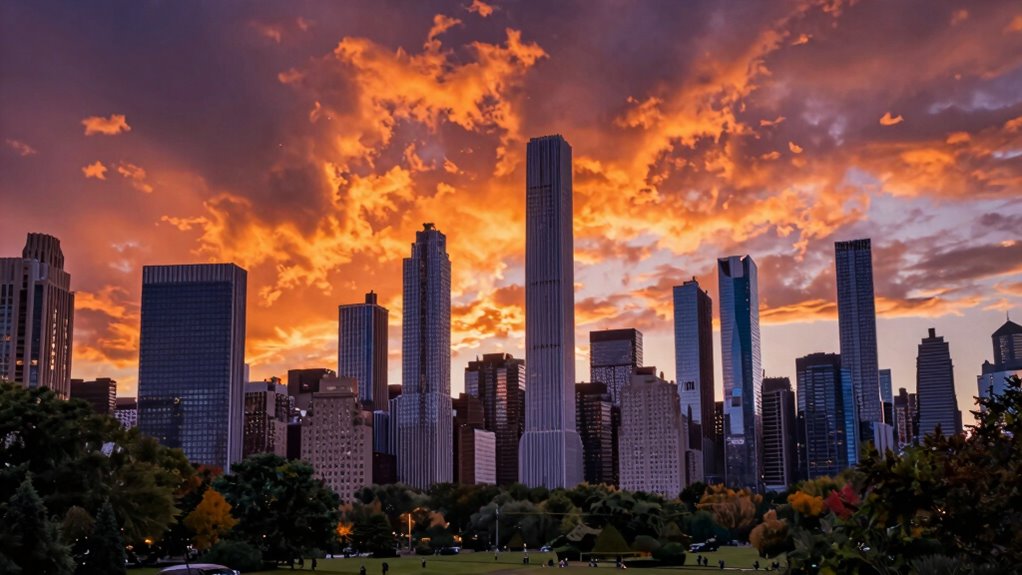
Sometimes, HDR can make images look worse because the process can overdo the contrast and brightness adjustments, leading to unnatural or overly harsh visuals. When HDR is applied excessively, it can distort color accuracy, causing colors to appear oversaturated or washed out. This happens because the camera or software tries to boost the dynamic range beyond what the scene naturally offers, resulting in an image that looks overly processed. Instead of enhancing the photo, this overcorrection can flatten textures or create unnatural highlights and shadows. The goal of HDR is to balance the scene’s luminance, but if pushed too far, it compromises the authenticity of the image. Proper HDR techniques and careful adjustment can help avoid these issues and produce more natural-looking images. Additionally, improper processing techniques can exacerbate these issues, making the final image appear even more artificial. Being aware of HDR settings and adjusting them carefully can help prevent these problems and produce more natural-looking images. Understanding dynamic range is crucial because it determines how well the HDR process can handle different luminance levels without losing detail or introducing artifacts.
How Does HDR Work?

Ever wonder how HDR creates images with such a wide range of brightness? It works by capturing multiple photos at different exposures, then combining them into a single image. This process expands the dynamic range, allowing bright areas to stay detailed without losing information in shadows. HDR also enhances color accuracy, making hues more vibrant and true to life. The technology intelligently merges the best parts of each exposure, balancing highlights and shadows. Additionally, tone mapping is used to optimize these details for screens, ensuring images look natural and well-balanced. This technique often employs image processing algorithms to refine the final appearance. Furthermore, understanding Twin Flame connections can help viewers appreciate the depth behind vivid imagery. Ultimately, HDR improves what you see by better representing the full spectrum of light and color in a scene, with its effectiveness often depending on the dynamic range capabilities of the capturing device.
What Are Common Mistakes With HDR Settings?
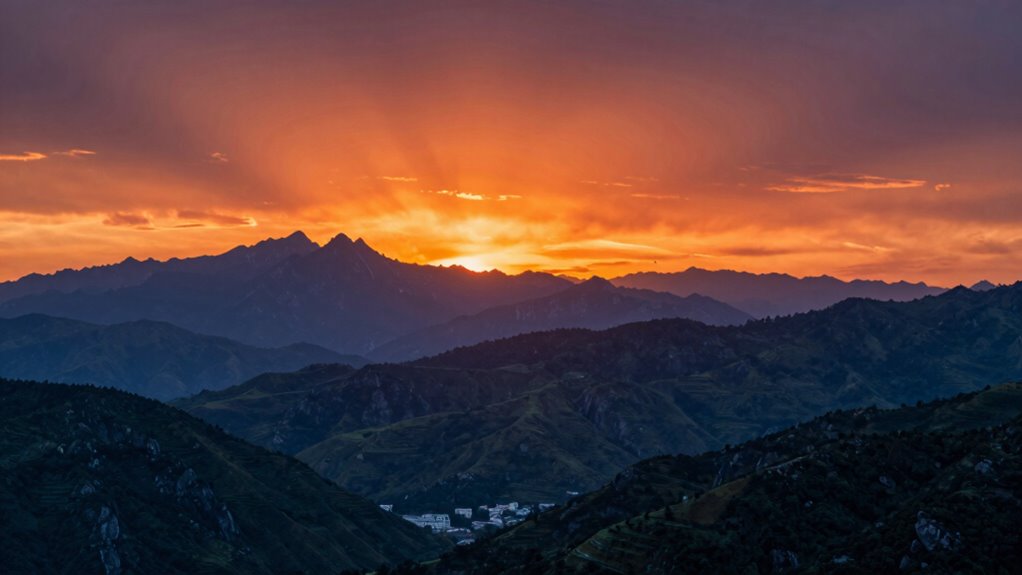
Many users make the mistake of relying on default HDR settings without adjusting them for specific scenes, which can lead to unnatural or overly processed images. This often affects color accuracy and how well the display adapts to ambient lighting. To avoid these issues, consider:
- Ignoring scene-specific HDR presets that enhance natural tones.
- Overusing auto HDR settings, which may not match ambient lighting conditions.
- Forgetting to calibrate your display for accurate color reproduction.
- Neglecting to manually fine-tune brightness and contrast for ideal detail in highlights and shadows.
How Can You Optimize Your Display for Better HDR Quality?
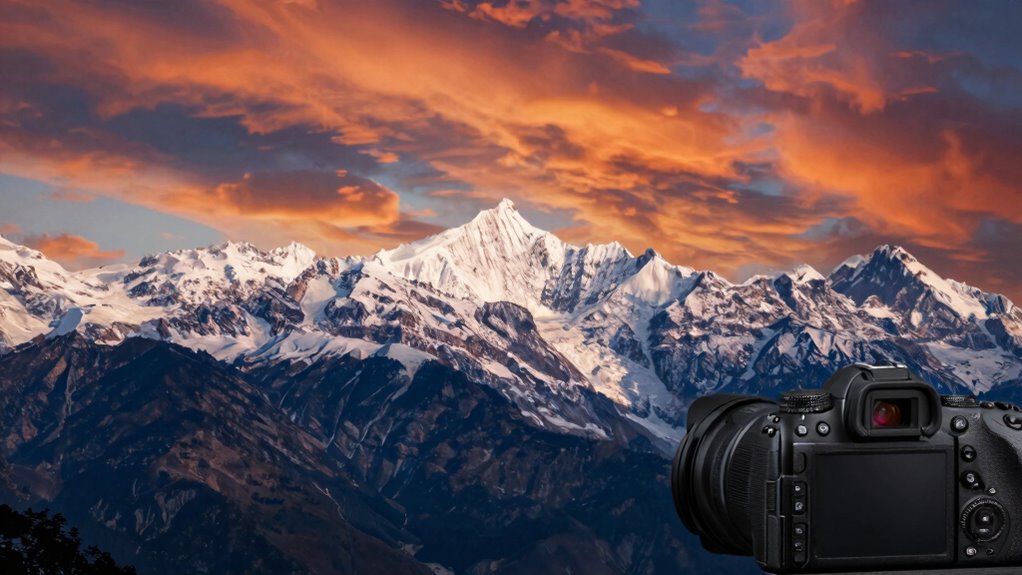
To enhance your display for better HDR quality, start by calibrating it properly using built-in or professional calibration tools. Focus on color calibration to ensure accurate hues and brightness levels, which makes HDR content look more vibrant and true-to-life. Additionally, control ambient lighting in your environment; bright lights or glare can diminish HDR effects, so keep lighting subdued or indirect. Adjust your display settings to achieve ideal contrast and peak brightness, enhancing HDR’s dynamic range. Avoid overly aggressive settings that can cause clipping or washout. Regular calibration ensures consistent color accuracy and contrast, helping HDR content reach its full potential. Proper display calibration can significantly improve your HDR viewing experience, making the images appear more realistic and immersive. For best results, consider using test patterns to fine-tune your settings and verify accuracy. Paying attention to video processing settings can also help optimize HDR performance by reducing artifacts and enhancing clarity.
How to Choose the Right HDR Settings and Equipment
Choosing the right HDR settings and equipment starts with understanding your viewing environment and the capabilities of your devices. To optimize your experience, consider these key factors:
- Assess your display’s dynamic range to ensure it can handle the full scope of highlights and shadows.
- Choose a device with good color grading capabilities for accurate, vibrant images.
- Experiment with HDR modes—like standard, vivid, or cinema—to see which best complements your environment.
- Use calibration tools or settings to fine-tune brightness, contrast, and color balance.
- Understanding the spectral range of your display can help you make informed adjustments for better picture quality.
Matching your equipment to your viewing conditions guarantees you get the most dynamic range and accurate colors, making HDR content look its best rather than worse.
Frequently Asked Questions
Can HDR Damage Your Display or Eyes?
HDR itself doesn’t damage your display or eyes directly, but poor display calibration can cause eye strain. If your screen’s brightness is set too high or colors are overly intense, it may lead to discomfort or fatigue over time. To guarantee eye safety, adjust your display settings properly and take regular breaks. Proper calibration helps you enjoy HDR visuals without risking damage or strain.
Is HDR Suitable for All Types of Content?
HDR isn’t suitable for all types of content. You’ll notice the best results with movies, games, and photos that support high dynamic range, providing better color accuracy and contrast. However, some older or standard content may not display correctly or look worse with HDR enabled, due to content compatibility issues. Always check if your content supports HDR to enjoy the full benefits without compromising visual quality.
How Does HDR Affect Battery Life on Devices?
You might notice your device’s battery draining faster with HDR enabled. Brightness impact is significant, as HDR increases display brightness levels to enhance contrast and colors. This heightened brightness leads to greater power consumption, especially during long viewing sessions or intense scenes. So, if you want longer battery life, consider turning off HDR when you don’t need the visual boost, because that extra brightness can quickly sap your device’s energy.
Are There Different Standards of HDR I Should Know?
Yes, there are different standards of HDR you should know. Common ones include HDR10, HDR10+, and Dolby Vision. Each offers varying levels of HDR color accuracy and dynamic range, impacting how vivid and true-to-life HDR content creation appears. Understanding these standards helps you choose devices and content that deliver the best HDR experience, ensuring you enjoy richer visuals with accurate colors and enhanced contrast in your favorite movies and games.
What Are the Best Practices for Calibrating HDR at Home?
Calibrating HDR at home is like tuning a musical instrument—you want harmony. Start with proper calibration techniques, using a calibration disc or software, and adjust your TV’s picture settings. Make sure your viewing environment is dim and free of reflections for the best results. Set the contrast, brightness, and HDR settings carefully, then review HDR content to fine-tune. Regularly recalibrate to maintain accurate picture quality as lighting conditions change.
Conclusion
Understanding HDR can dramatically improve your viewing experience, but only if you get the settings right. Did you know that a survey found only 30% of people actually optimize their displays for HDR? By learning how HDR works and avoiding common mistakes, you can enjoy richer, more accurate images. Take the time to calibrate your display properly—your eyes will thank you, and you’ll get the full impact of HDR’s stunning visuals.
Fall Picks
fall essentials
As an affiliate, we earn on qualifying purchases.