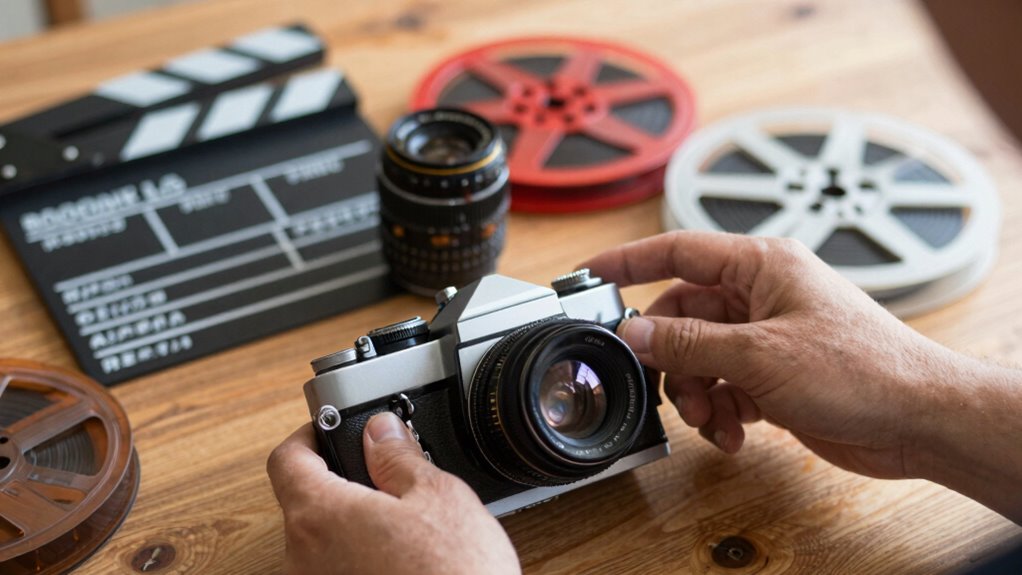

Understanding key film terms can greatly enhance your viewing experience. Terms like cinematography, mise-en-scène, and editing shape how stories are told on screen. Knowing shot types, such as close-ups and wide shots, helps you grasp character emotions and context. Sound design plays an essential role in creating atmosphere. By familiarizing yourself with these concepts, you’ll deepen your appreciation for films and their artistry. Stick around, and you’ll discover even more insights about the cinematic world.

Get movie nights delivered free — and shop member deals
- Fast, free delivery on millions of items
- Access to Prime Big Deal Days deals on October 6–7
- Prime Video, Amazon Music and more included
Key Takeaways
- Cinematography: Refers to camera techniques that shape visual storytelling, including shot types and camera angles to evoke specific emotions.
- Mise-en-Scène: Encompasses visual elements like color, lighting, and set design, influencing the mood and context of a scene.
- Editing: The process of cutting and arranging footage, affecting the pacing and emotional impact of the narrative through rhythm and scene transitions.
- Genre: A category of film that sets audience expectations for tone and emotional response, such as horror, romance, or action.
- Sound Design: Involves all audio elements in a film, enhancing atmosphere and emotional engagement, crucial for immersive viewing experiences.
What Is Cinematography and Why Does It Matter?
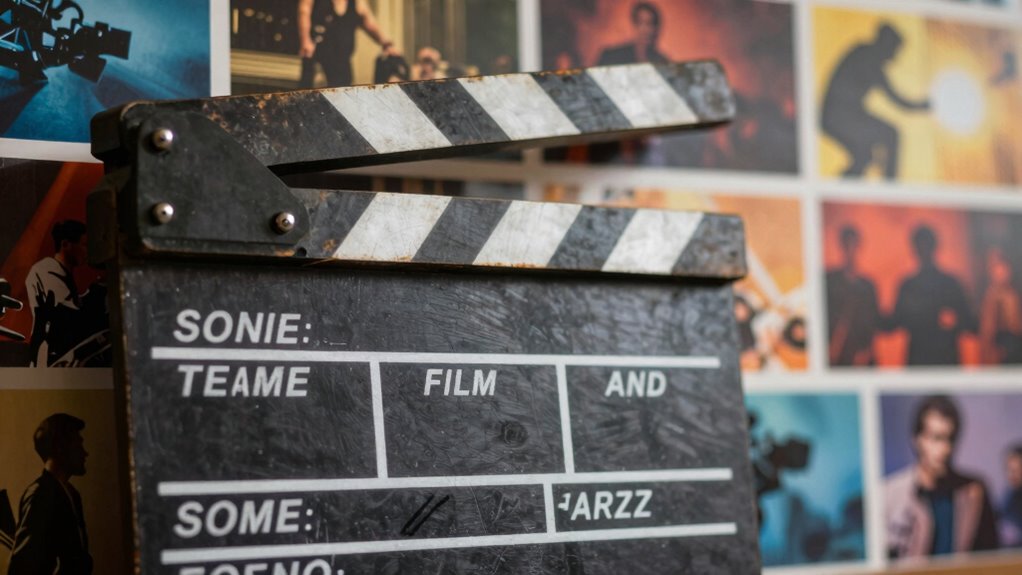
Cinematography is the art of capturing images on film or digitally, and it plays an essential role in how you experience a movie. It’s not just about recording what you see; it’s about using various camera angles to enhance visual storytelling. When the camera tilts or pans, it creates specific emotions and perspectives that draw you into the narrative. A close-up can reveal a character’s inner turmoil, while a wide shot establishes the scene’s context. Each choice in cinematography shapes your understanding and connection to the story. By paying attention to these elements, you can appreciate how filmmakers use visuals to communicate themes and emotions, making your viewing experience richer and more engaging.
Key Shot Types and Their Impact on Film
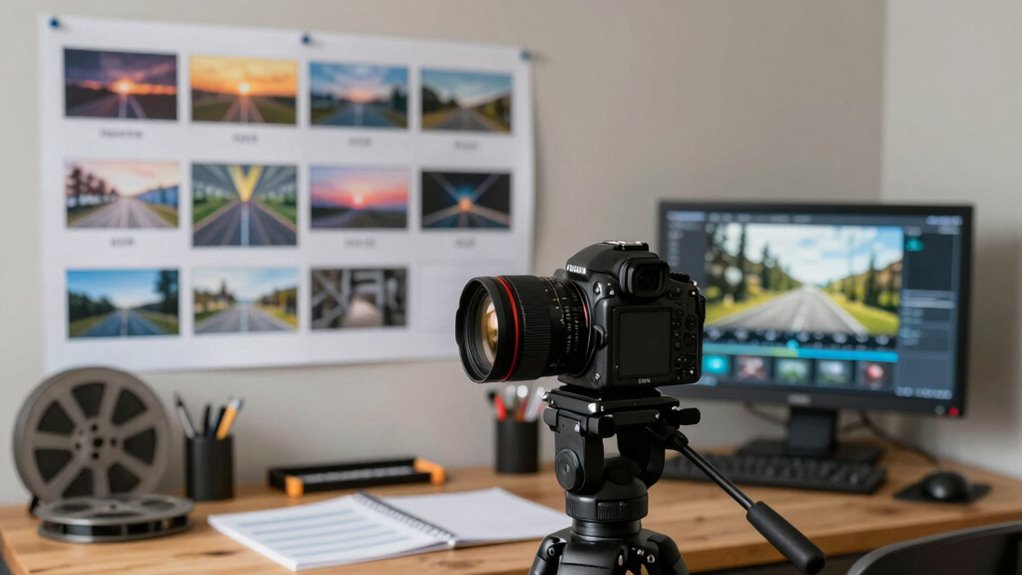
Understanding key shot types can greatly enhance your appreciation of a film. Each shot type—like wide shots, close-ups, and medium shots—plays an essential role in storytelling. For instance, wide shots establish the setting and context, while close-ups focus on characters’ emotions, drawing you closer to their experiences. The camera angles further influence your perception; a low angle can make a character appear powerful, while a high angle can evoke vulnerability. Shot composition, including framing and balance, guides your eye and shapes your emotional response. Recognizing different shot types and angles helps you understand how filmmakers craft mood and tension. By recognizing these elements, you’ll start to see how filmmakers use shot types to craft compelling narratives and elicit specific feelings. This understanding adds depth to your viewing experience, making each film more engaging.
How Editing Techniques Shape Film Narratives
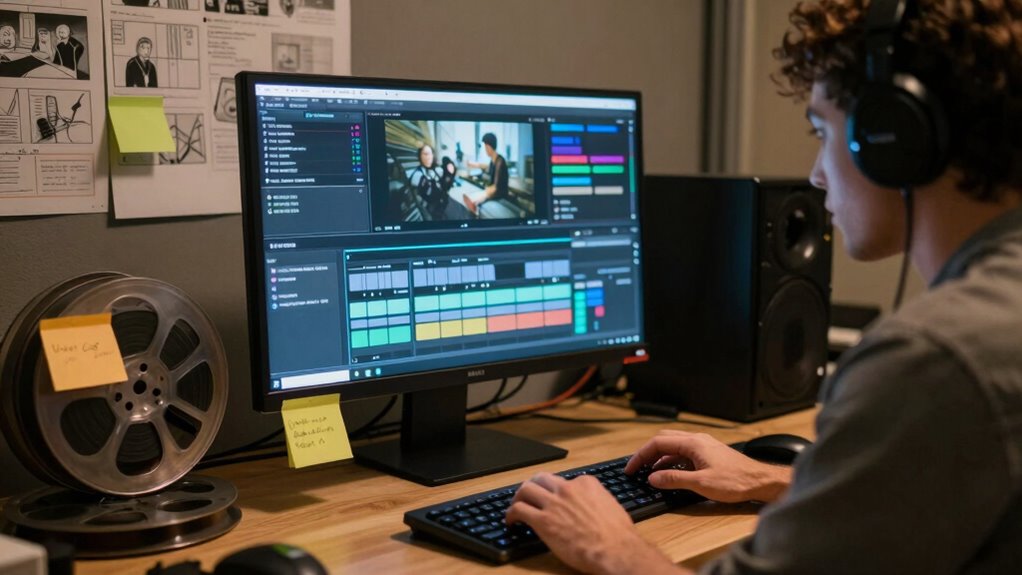
While you might focus on what you see on screen, editing techniques play an essential role in shaping a film’s narrative. The way scenes are cut together influences your emotional experience and understanding of the story. Here are three key aspects to reflect upon:
- Editing Rhythm: The speed and style of edits create a rhythm that can heighten tension or evoke emotion, guiding your response to the unfolding drama.
- Narrative Pacing: Quick cuts can accelerate the pace, immersing you in action, while slower shifts allow for reflection and deeper connection.
- Juxtaposition: Placing contrasting scenes side by side can deepen themes and draw connections between characters or events, enriching your viewing experience.
These techniques shape not just what you see, but how you feel about it.
How Mise-en-Scène Influences Film Meaning
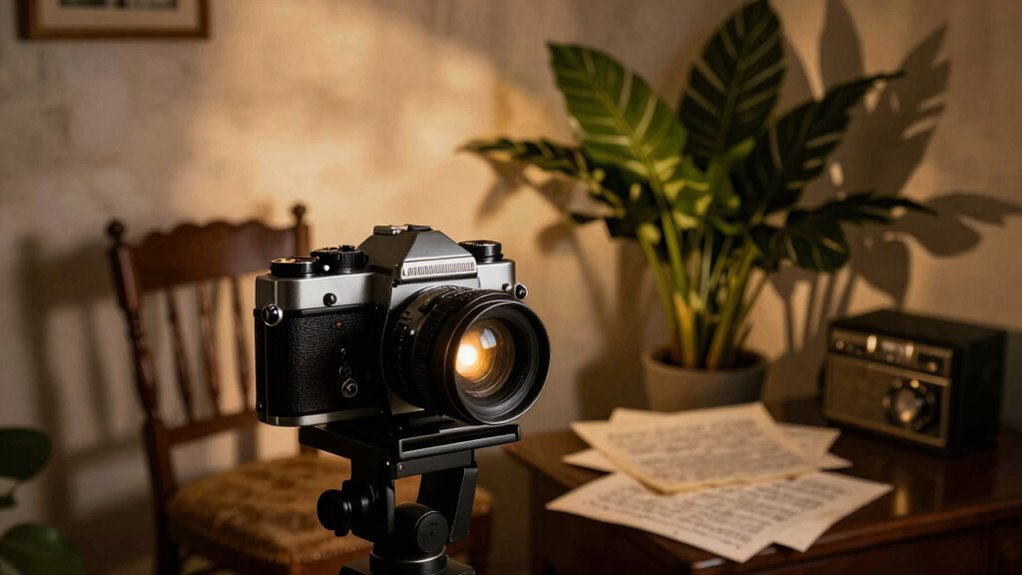
Editing isn’t the only aspect that shapes your experience as a viewer; mise-en-scène plays an essential role in conveying meaning. The color palette influences how you feel about a scene, while spatial arrangement can guide your attention to specific details. Lighting choices help create mood, emphasizing emotions and relationships. Set design immerses you in the film’s world, revealing backstory and context. Character placement within the frame can highlight dynamics and tensions, while visual symbolism enriches themes. Thematic consistency throughout the mise-en-scène reinforces the film’s message. Ultimately, all these elements work together for atmosphere creation, drawing you deeper into the narrative and enhancing your understanding of the story being told.
Understanding Narrative Structure: The Basics
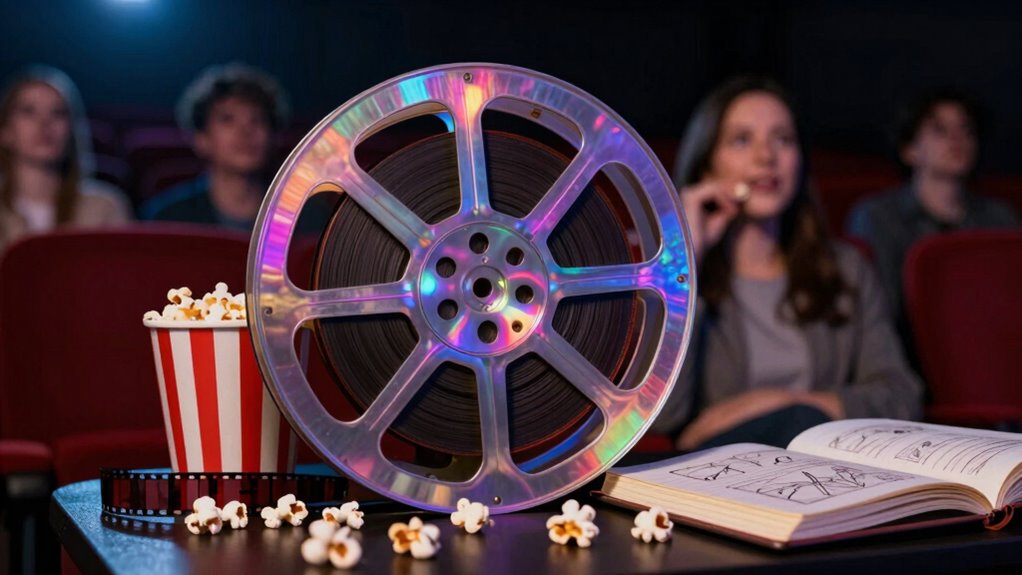
When you watch a film, understanding the narrative structure can enhance your experience. You’ll notice the Three Act Structure shaping the story, along with how character arcs develop throughout the plot. Plus, recognizing the difference between plot and subplot can deepen your appreciation of the film’s overall message.
Three Act Structure
The Three Act Structure serves as a foundational blueprint for storytelling in film, helping you understand how narratives unfold. It divides the story into three distinct sections:
- Act One: This is where you meet the characters and grasp the thematic elements. You’ll see the setup that introduces the main conflict.
- Act Two: Here, the plot thickens with climax development. The pacing techniques elevate tension, challenging characters and pushing the narrative forward.
- Act Three: This concludes the story with plot resolution. You witness the fallout from the climax and how characters evolve, wrapping up the narrative thread.
Character Arcs Explained
While character arcs are often overlooked, they play a crucial role in driving the narrative forward and connecting viewers to the story. Understanding these arcs helps you appreciate the protagonist journey and the antagonist development. Recognizing leadership principles within these arcs can also enhance your appreciation of how characters embody qualities like resilience and growth.
Plot vs. Subplot
Understanding the difference between plot and subplot can greatly enhance your viewing experience. The plot refers to the main conflict driving the story, while the subplot provides depth through secondary conflicts and character development. Here’s how to distinguish them:
- Main Conflict: The central issue the protagonist faces. It’s the backbone of the film and keeps you engaged.
- Subplot: These are secondary storylines that often involve supporting characters. They enrich the narrative and can reflect themes tied to the main conflict.
- Character Development: Subplots often focus on individual characters’ growth, revealing their motivations and relationships, which adds layers to the story.
Recognizing both elements helps you appreciate the film’s complexity and emotional resonance!
How Sound Design Shapes Your Film Experience
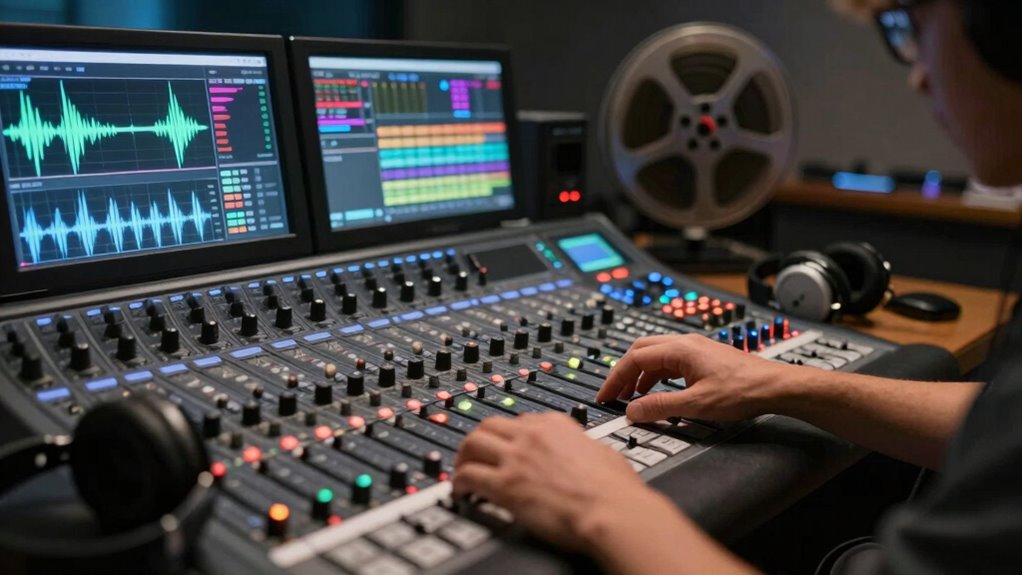
How does sound design elevate your film experience? It creates immersive soundscapes that transport you into the story. The significance of soundscapes lies in their ability to enhance every scene, adding depth and texture. When you hear the rustling leaves in a forest or the distant rumble of thunder, your senses are engaged, making the film feel more real. Sound design also plays an essential role in evoking auditory emotions; the score can make your heart race during a chase or bring tears during a poignant moment. By manipulating these sounds, filmmakers guide your feelings and reactions, ensuring you’re emotionally connected. Fundamentally, sound design shapes your experience, making every film more impactful and memorable.
Why Genre Matters in Understanding Films
Understanding film genres is essential because they set the stage for your expectations. When you know a film’s genre, you can anticipate its themes, tone, and style, which shapes your viewing experience. Let’s explore how these categories influence what you feel and think while watching a movie.
Defining Film Genre
Film genre acts as a roadmap for viewers, guiding them through the diverse landscape of cinematic storytelling. Understanding genre classification helps you navigate various films and enhances your viewing experience. Each genre comes with its own set of genre conventions that shape how stories unfold. Here are three key reasons why defining film genre matters:
- Expectation: Knowing the genre sets expectations for tone, style, and pacing.
- Understanding: It helps you grasp the filmmaker’s intent and thematic elements.
- Connection: Identifying a genre allows you to connect with similar films, enriching your overall appreciation of cinema.
Impact on Audience Expectation
While you might not consciously realize it, the genre of a film greatly shapes your expectations before the opening credits even roll. Each genre sets a tone, guiding your audience anticipation and emotional response. For example, when you watch a horror film, you expect suspense and jump scares, while a romantic comedy invites laughter and heartwarming moments.
| Genre | Audience Anticipation | Emotional Response |
|---|---|---|
| Horror | Tension and fear | Anxiety and thrill |
| Romantic Comedy | Lightheartedness and joy | Happiness and warmth |
| Action | Excitement and adrenaline | Euphoria and exhilaration |
Understanding these patterns helps enhance your viewing experience, allowing you to engage more deeply with the film’s narrative.
Essential Film Terms Every Viewer Should Know
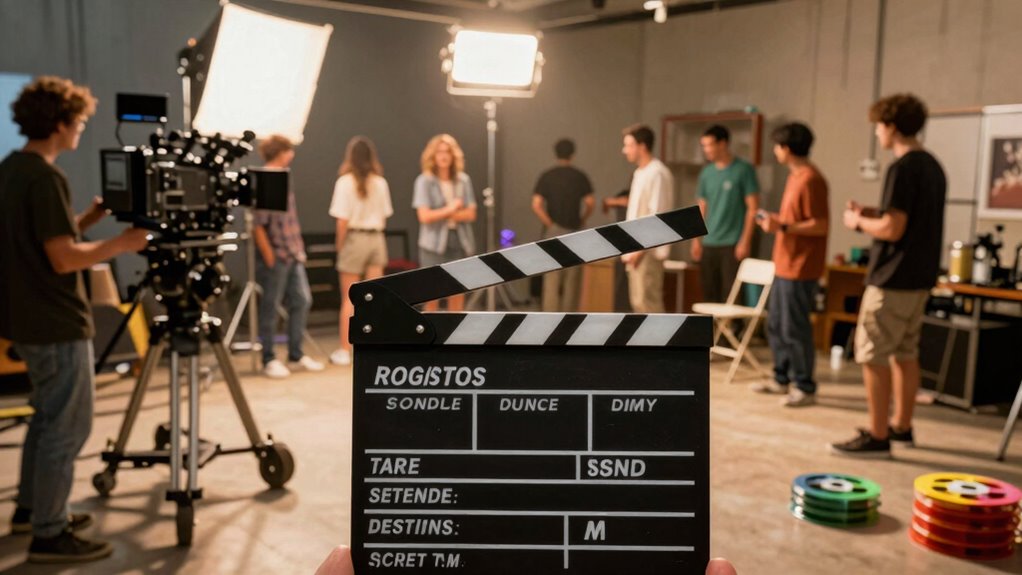
As you immerse yourself in the world of cinema, knowing a few essential film terms can enhance your viewing experience considerably. Understanding these concepts will deepen your appreciation of film language and its power in visual storytelling:
Enhance your movie nights by grasping essential film terms that enrich your understanding of visual storytelling.
- Cinematography: This refers to how a film is shot, including camera angles and lighting, directly influencing the emotional resonance of scenes.
- Editing: The process of piecing together shots to create a coherent narrative, allowing for thematic exploration and pacing.
- Sound Design: This encompasses everything you hear in a film, from dialogue to score, shaping the atmosphere and enhancing viewer engagement.
With these terms, you’ll gain insight into how filmmakers craft their stories, making your next movie night even more enjoyable.
Frequently Asked Questions
What Is the Difference Between a Shot and a Scene?
A shot is a single continuous take captured by the camera, while a scene consists of multiple shots that convey a specific moment or setting in the story. You’ll notice shot types like close-ups and wide shots within a scene, emphasizing different aspects of the narrative. Scene changes, such as cuts or fades, help move from one scene to another, maintaining the flow and keeping you engaged in the unfolding story.
How Do Filmmakers Choose Music for Their Films?
Filmmakers choose music by considering the emotional impact they want to create in each scene. They often collaborate with composers to craft a musical score that enhances the story’s mood and themes. You’ll notice that specific instruments or melodies can evoke feelings of joy, sadness, or tension. By aligning the score with the visual storytelling, filmmakers guarantee that the music resonates with you, deepening your connection to the film’s narrative.
What Role Do Film Festivals Play in a Movie’s Success?
Film festivals can greatly boost a movie’s success; in fact, about 70% of films that screen at major festivals secure distribution deals. You’ll find that these events enhance audience engagement, allowing filmmakers to connect directly with viewers. The festival impact often leads to increased visibility and buzz, which can elevate a film’s profile. So, if you’re a filmmaker, showcasing your work at festivals can be a game-changer for your project’s future.
How Can I Improve My Film Analysis Skills?
To improve your film analysis skills, focus on character development and visual storytelling. Pay attention to how characters evolve throughout the film, noting their motivations and conflicts. Analyze the director’s choices in visuals—like shot composition and color schemes—to understand how they convey themes and emotions. Engage with a variety of films, and write down your thoughts. Discuss your insights with others to deepen your understanding and sharpen your analytical eye.
What Are Common Misconceptions About Film Critics?
Did you know that nearly 60% of moviegoers think critics only write negative reviews? That’s a common misconception! Critics often have biases shaped by their experiences, which can skew their opinions. Many viewers expect critics to align with their tastes, but that’s unrealistic. Remember, critics are just individuals sharing their perspectives. They can appreciate films differently than you do, and that diversity enriches the conversation about cinema. Don’t let biases cloud your judgment!
Conclusion
In the grand tapestry of cinema, each thread—be it cinematography, sound design, or editing—contributes to the vibrant picture unfolding on screen. By grasping these essential film terms, you’re not just watching; you’re engaging in a rich dialogue with the art form. Embrace the nuances, and you’ll find yourself not just a viewer, but a connoisseur of stories woven through light and sound. So next time you watch, let the film reveal its secrets to you.
Fall Picks
fall essentials
As an affiliate, we earn on qualifying purchases.