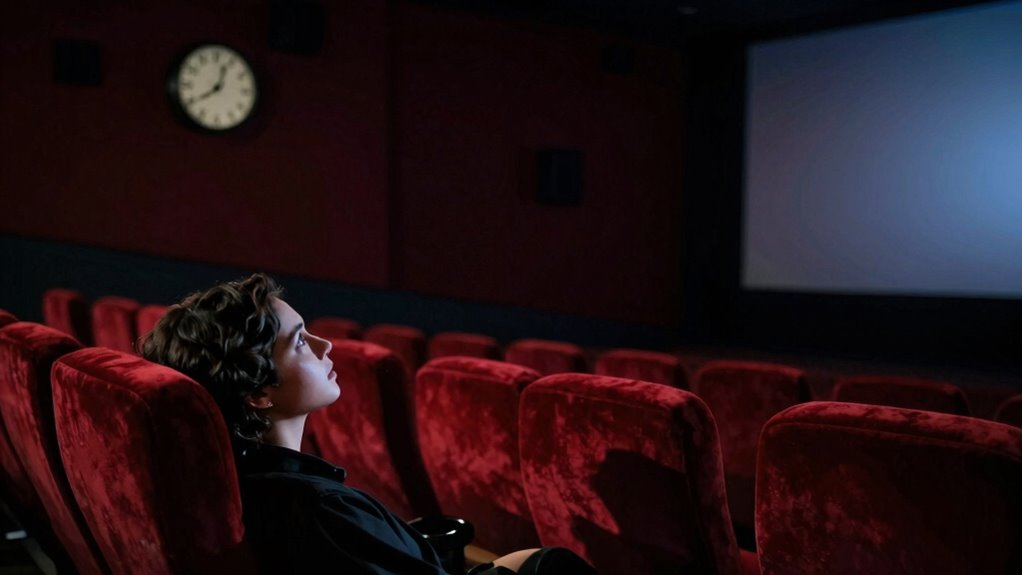

Some movies feel slow due to their pacing, which shapes how the story unfolds. When narrative structure leans towards longer scenes or slow character development, it can create a drag. Tension builds slowly, and release moments may be sparse, leaving you impatient. Additionally, dialogue and cinematography choices influence flow, making a film feel lengthier. Balancing fast and slow moments is key to maintaining engagement and emotional impact. Explore further to discover the intricacies of pacing in film.
Listen free for 30 days with Audible
Thousands of audiobooks and originals — cancel anytime.
As an affiliate, we earn on qualifying purchases.
Key Takeaways
- Slow pacing often results from prolonged scenes that lack purpose or dramatic tension, leading to diminished audience engagement.
- Extended character development requires slower pacing, which can feel drawn-out if not balanced with action or plot progression.
- Editing choices, such as longer cut durations, can create a sense of languor, affecting the film’s overall rhythm and engagement.
- Excessive emphasis on reflective moments without adequate tension or excitement may contribute to a perception of slowness.
- Scene transitions that are jarring or poorly timed can disrupt immersion, making the film feel slower than intended.
What Is Pacing in Film and Why It Matters?
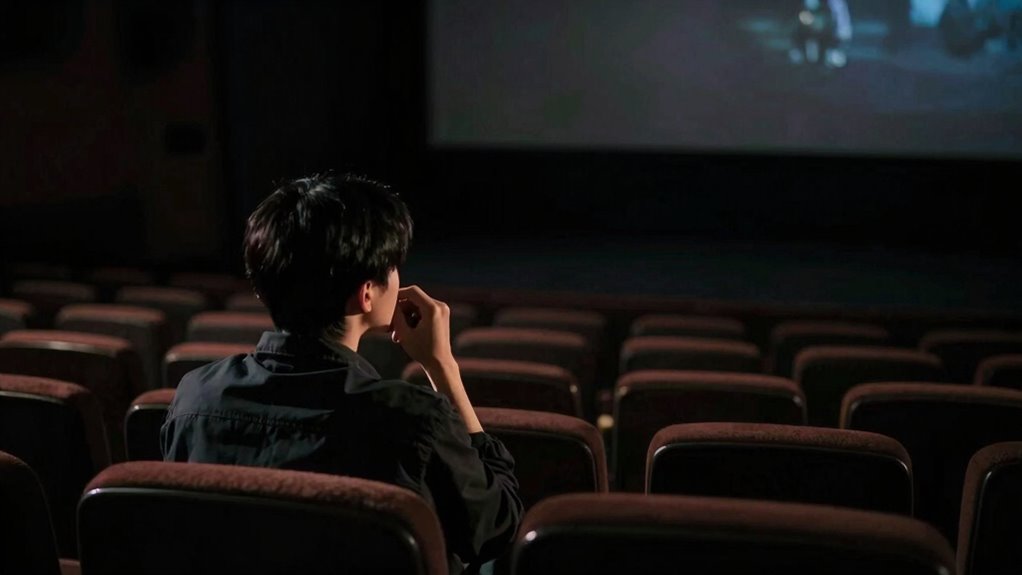
Pacing in film is like the heartbeat of a story; it keeps the audience engaged and guides their emotional journey. Understanding pacing techniques is essential for filmmakers. You might notice how a fast-paced scene can create excitement, while a slower moment allows for reflection. This balance shapes the film rhythm, influencing how you perceive the narrative. When directors manipulate pacing, they control tension and release, making you feel every twist and turn. Think about your favorite films; their pacing likely drew you in, keeping you on the edge of your seat or letting you breathe. Mastering pacing isn’t just about speed—it’s about timing and emotional impact, ensuring the film resonates long after the credits roll.
How Narrative Structure Shapes Movie Pacing

The way a story is structured directly influences how its pacing unfolds. Narrative arcs guide you through the story, creating a rhythm that can speed up or slow down moments. When a film incorporates plot twists, it jolts the pacing, keeping you on your toes and engaged. Conversely, moments focused on character development can stretch time, allowing you to connect deeply with the characters’ journeys. This layering of thematic depth adds richness to the narrative, often requiring a slower pace to explore complex ideas. Ultimately, how these elements are woven together shapes your viewing experience, making you feel the highs and lows of the story as it unfolds, impacting your perception of pacing throughout the film.
How Characters Can Slow Down a Movie
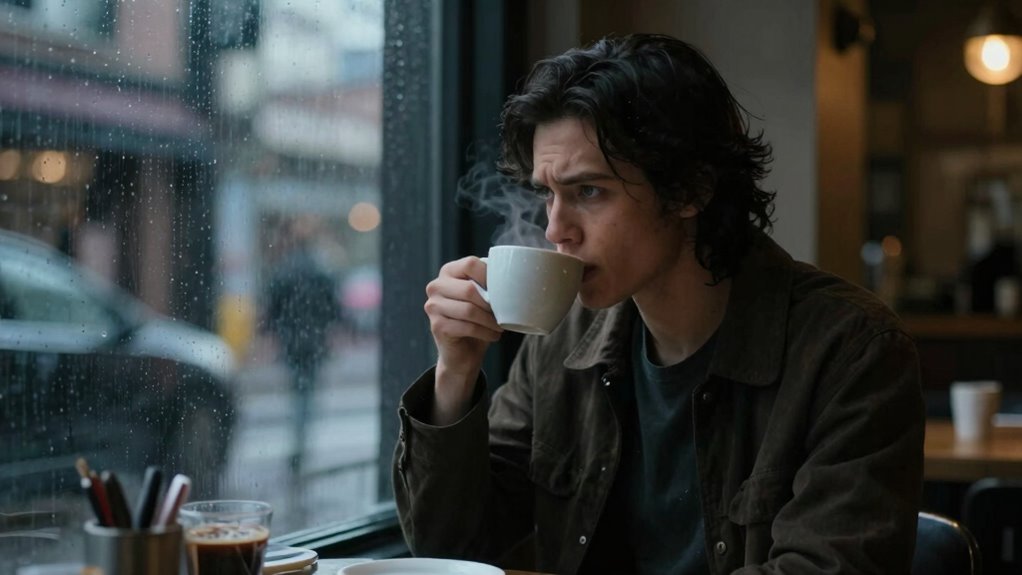
While a fast-paced thriller can keep you on the edge of your seat, characters often play an essential role in slowing down a movie’s rhythm. Through character development, filmmakers create emotional depth that invites you to connect with the story. Relationship dynamics unfold gradually, allowing you to invest in the narrative arcs and backstory exploration. When characters exhibit agency, their decisions influence pacing, creating moments of tension or reflection. Conflict resolution often takes time, emphasizing character interactions that deepen your understanding of their motivations. By employing these pacing techniques, filmmakers guarantee that the slower moments enrich the overall experience, heightening audience investment in the characters’ journeys. Ultimately, these elements balance the fast and slow, creating a compelling narrative flow.
Using Tension and Release to Keep Audiences Engaged
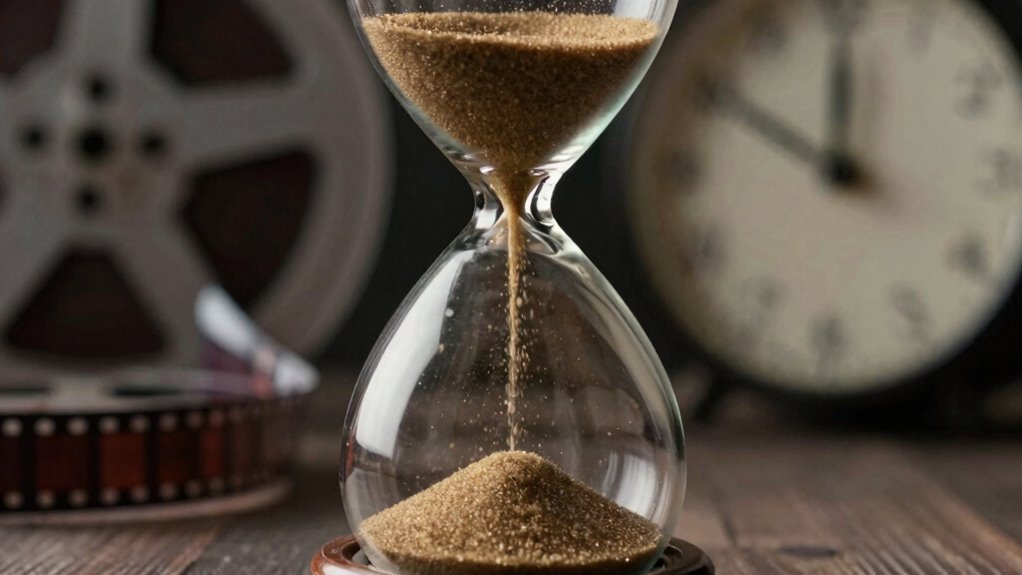
Tension and release act as essential tools in a filmmaker’s arsenal, drawing you deeper into the narrative. You’ll often experience tension build up through suspenseful scenes, where the stakes rise, leaving you on the edge of your seat. This anticipation keeps you engaged, almost holding your breath as you await the outcome. When the tension finally breaks, the release moments can evoke a sigh of relief or a burst of laughter. These shifts in emotion maintain your interest and create a dynamic viewing experience. By carefully balancing these elements, filmmakers can manipulate your reactions, ensuring you stay invested in the story. Ultimately, it’s this interplay of tension and release that makes the film’s pacing feel just right.
How Long Scenes Slow Down Movies
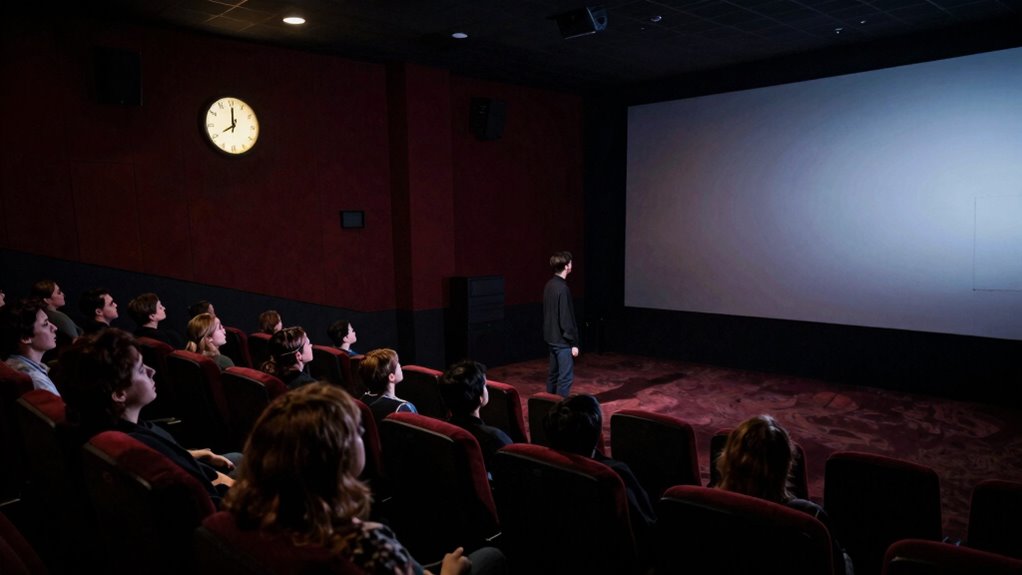
When you watch a movie, long scenes can really affect the pacing and flow. They might build emotional tension, but if they drag on too long, you risk losing the audience’s interest. Understanding this balance is key to keeping viewers engaged throughout the film.
Scene Length Impact
Long scenes can considerably slow down the pacing of a movie, often causing viewers to lose interest or disengage. When scene duration stretches too long without purpose, it can lead to a sense of stagnation. You might find yourself checking the time or wondering when the action will pick up. However, if a scene effectively builds tension, that extended duration can work in its favor, drawing you deeper into the narrative. It’s essential for filmmakers to balance the length of scenes with the need for engagement. Too much focus on lengthy dialogue or drawn-out moments can detract from the overall experience, making the pacing feel off. Ultimately, it’s about creating a rhythm that keeps you invested in the story.
Emotional Build-Up Importance
While scenes can effectively build emotional depth, they can also drag down a film’s pacing if not handled carefully. You might find that when scenes linger too long, they can disrupt the flow and lessen emotional resonance. For instance, an extended moment meant to deepen character development may instead lead to impatience if it feels repetitive. It’s essential to strike a balance—allowing enough time for viewers to connect with characters without overstaying your welcome. A well-timed emotional build-up can enhance your investment in the story, but if it’s drawn out unnecessarily, it risks losing your interest. Ultimately, pacing should facilitate emotional connections, not stifle them. Knowing when to cut a scene can make all the difference. Understanding pacing techniques drawn from filmmaking principles can help filmmakers better manage scene length and emotional impact.
Audience Engagement Dynamics
Sometimes, filmmakers underestimate how much time a scene can take away from audience engagement. Long, drawn-out scenes can disrupt audience immersion, causing viewers to lose focus and drift away. When you’re watching a movie, your attention can wane if you’re stuck in a single moment for too long. Instead of deepening your connection to the characters, extended scenes can make you question the pacing, pulling you out of the story. Effective pacing keeps viewer attention sharp, balancing action and dialogue with nuance. By trimming unnecessary length, filmmakers can maintain momentum, ensuring you stay engaged and invested in the narrative. Additionally, understanding content pacing and how it influences viewer engagement can help filmmakers craft more compelling stories. Ultimately, it’s about striking that perfect balance between depth and pacing to enhance your overall viewing experience.
How Dialogue Affects Pacing in Film
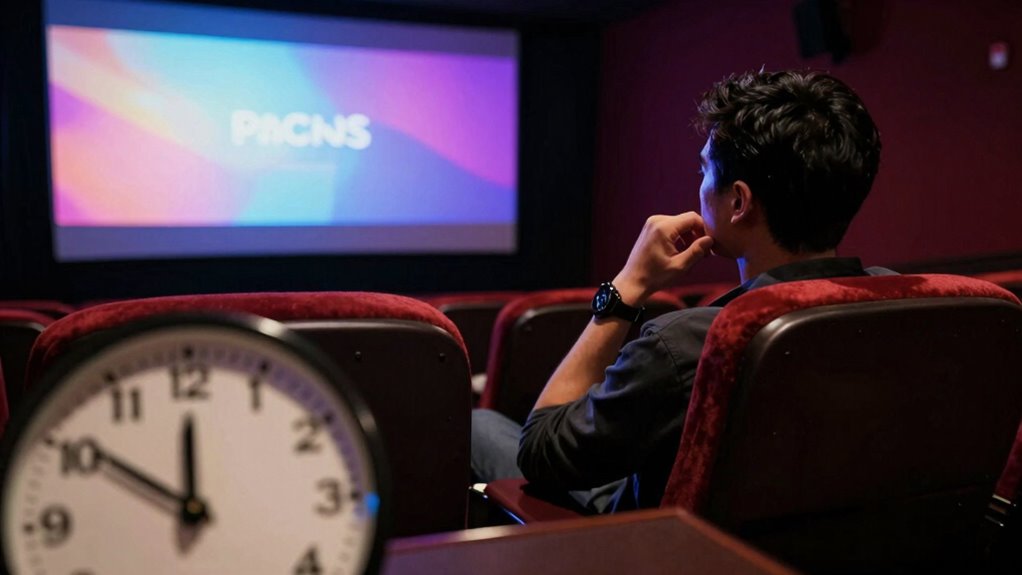
Dialogue plays an essential role in shaping a film’s pacing, as it not only conveys information but also influences the emotional rhythm of a scene. The way characters interact and deliver their lines can either accelerate or decelerate the story’s momentum.
Consider these aspects of dialogue:
- Quick exchanges that heighten tension and urgency.
- Pauses and silences that create suspense or reflect emotional weight.
- Subtext in conversations that reveals deeper motivations.
- Monologues that allow for introspection, slowing down the pace.
When you pay attention to dialogue delivery and character interaction, you’ll notice how they can shift the film’s tempo, making moments feel faster or slower, ultimately affecting your overall viewing experience.
Visual Storytelling: The Impact of Cinematography on Flow
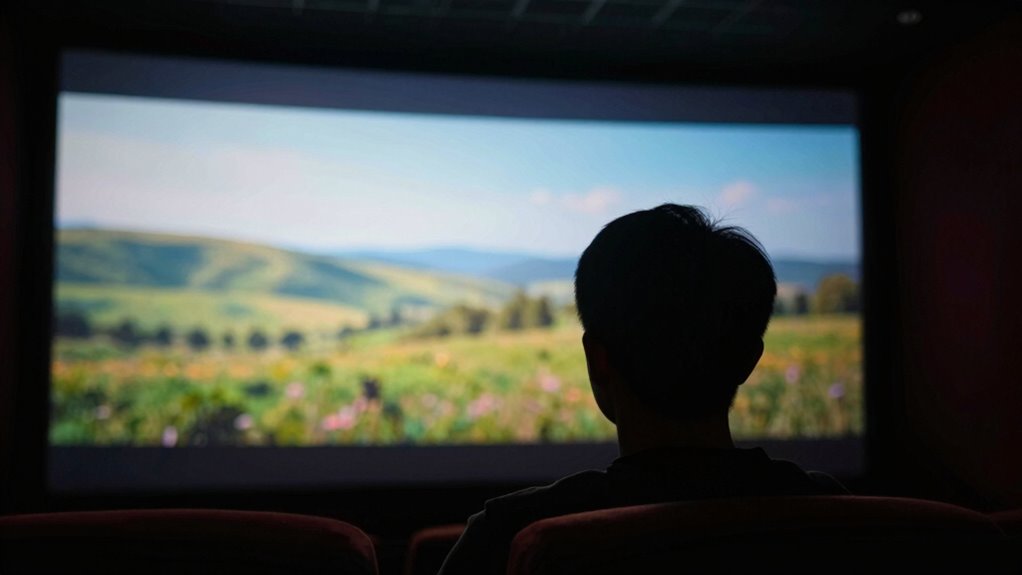
Cinematography shapes a film’s flow by using visual elements to guide the viewer’s emotions and reactions. Through various cinematic techniques, you can immerse yourself in the story, feeling the tension or tranquility dictated by the camera angles and lighting. For instance, a close-up can evoke intimacy, while a wide shot may create a sense of isolation. Visual symbolism plays an essential role as well; colors and shapes can convey deeper meanings, enhancing your emotional connection to the narrative. When you notice how these elements work together, you’ll understand why some scenes feel quicker or slower. Ultimately, effective cinematography can manipulate your perception of time, making you feel every moment unfold on screen.
Editing Choices That Influence Pacing Perception
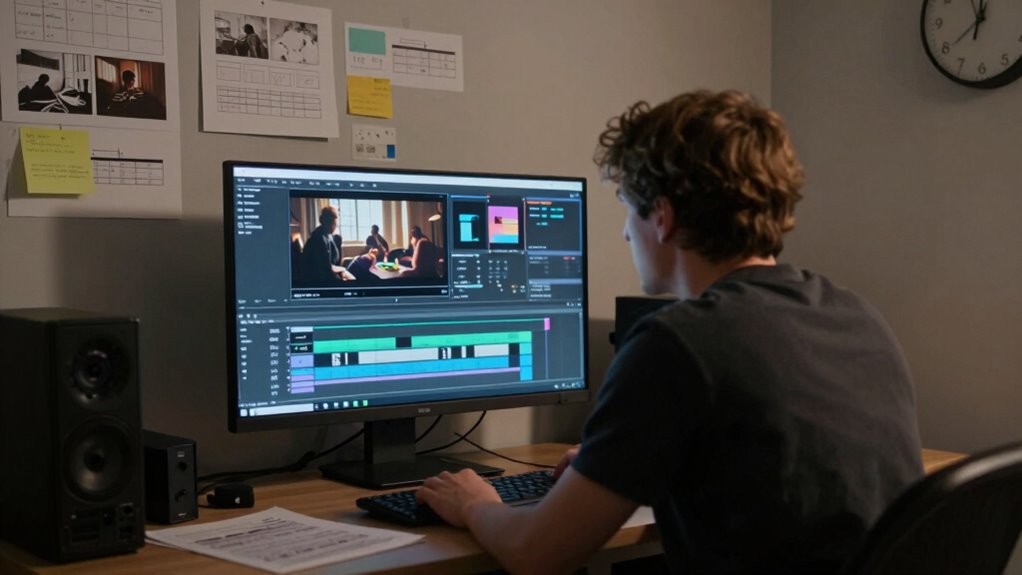
When you watch a movie, the editing choices play an essential role in how fast or slow the story feels. Cut durations can create tension or ease, while scene shifts can either jar you or smoothly guide you along. Additionally, shot composition choices impact your emotional engagement, influencing your overall perception of pacing.
Cut Duration Impact
Cut duration plays an essential role in shaping how audiences perceive the pacing of a film. When you notice how scenes flow, you can see that different cut durations create distinct effects. Short cuts can heighten excitement, while longer cuts let you soak in details. Here are some aspects to reflect upon:
- Quick cuts create a sense of urgency.
- Extended shots build tension or drama.
- Varying cut durations can surprise and engage viewers.
- Repetitive cuts can lead to fatigue or boredom.
Scene Transition Techniques
Although changes between scenes might seem like mere technicalities, they greatly influence how you perceive a film’s pacing. Shift techniques play an essential role in maintaining scene continuity or creating a stark contrast that can alter your emotional response. For instance, a quick cut to a new location can inject urgency, while a slow fade might invite reflection and contemplation. If a film uses match cuts or dissolves effectively, it helps you stay engaged, allowing the story to flow seamlessly. On the other hand, jarring shifts can disrupt your immersion and make a film feel sluggish. By carefully choosing shift techniques, filmmakers guide your experience, effectively shaping your perception of pacing throughout the narrative.
Shot Composition Choices
As filmmakers craft their narratives, shot composition choices greatly affect pacing perception, guiding your emotional journey through the story. The way shots are framed and arranged creates a visual rhythm that can either quicken or slow down the narrative flow. Here are some key elements that influence your experience:
- Close-ups capture intense emotions, making you feel every heartbeat.
- Wide shots establish context, inviting you to absorb the surroundings.
- Static frames create tension, prolonging moments for dramatic effect.
- Dynamic angles energize scenes, propelling the action forward.
Balancing Fast and Slow Moments for an Engaging Experience

When you watch a movie, the rhythm of fast and slow moments can make all the difference in your engagement. Fast moments create excitement, pulling you into the action and keeping your heart racing. However, without slow moments, these fast segments can feel overwhelming. Slow moments allow you to breathe, digest the story, and connect with the characters on a deeper level. They provide necessary contrast, enhancing the impact of the fast moments that follow. A well-balanced mix of pacing helps maintain your interest, making sure you’re not just entertained but also emotionally invested. So, next time you watch, pay attention to how these moments work together to create a memorable cinematic experience.
Frequently Asked Questions
How Do Different Genres Affect Movie Pacing?
Different genres greatly affect movie pacing based on genre expectations. For instance, action films often use quick cuts and rapid pacing techniques to keep you on the edge of your seat, while dramas may slow down to develop characters and themes. Comedies rely on timing and rhythm for punchlines, while horror might build tension through slower pacing. Each genre employs these techniques to engage you and evoke specific emotional responses throughout the film.
What Role Does Music Play in Pacing Perception?
Music considerably shapes your perception of pacing in a film. Studies show that movies with well-timed soundtracks can increase emotional engagement by 50%. When you hear uplifting scores, you feel energized, enhancing the action’s speed. Conversely, somber tones slow your emotional cues, making scenes feel drawn out. So, when you watch a film, pay attention to the soundtrack impact; it can turn a fast-paced scene into a lingering moment or vice versa.
Can Pacing Impact a Film’s Critical Reception?
Yes, pacing can greatly impact a film’s critical reception. When you watch a movie, your expectations shape your experience. If the pacing feels off, critics might highlight it in their analysis, affecting their overall impression. A film that drags can frustrate audiences, leading to negative reviews. Conversely, a well-paced film keeps viewers engaged, meeting their expectations and earning praise in critical discussions. Your perception of pacing plays an important role in how you judge a film.
How Do Cultural Differences Influence Pacing Preferences?
Cultural differences greatly influence pacing preferences because they shape audience expectations and storytelling styles. In some cultures, slower narratives allow for deeper emotional connections and character development, while others favor fast-paced action and quick resolutions. As a viewer, you might find yourself more engaged with films that resonate with your cultural storytelling traditions. This connection can impact how you perceive the film’s pacing, making it feel either enchanting or tedious.
Are There Common Pacing Mistakes Filmmakers Make?
Filmmakers often stumble by neglecting audience expectations and failing to balance character development with narrative structure. If they overindulge in lengthy scenes without employing effective editing techniques, the story drags, leaving viewers restless. Conversely, rushing through critical moments can hinder emotional connections. By carefully pacing scenes and maintaining a rhythm that aligns with the story’s arc, you can create a more engaging experience, ensuring the film resonates with its audience from start to finish.
Conclusion
In the dance of cinema, pacing is the rhythm that guides your emotions. Like a carefully orchestrated symphony, the slow and fast moments blend together, creating a tapestry of tension and release. When filmmakers balance these elements, they invite you to journey through the story, savoring each scene like a fine wine. So, the next time you feel a movie dragging, remember it might just be building towards a crescendo, waiting for you to embrace the unfolding narrative.
Flea & tick season Picks
flea and tick prevention
As an affiliate, we earn on qualifying purchases.