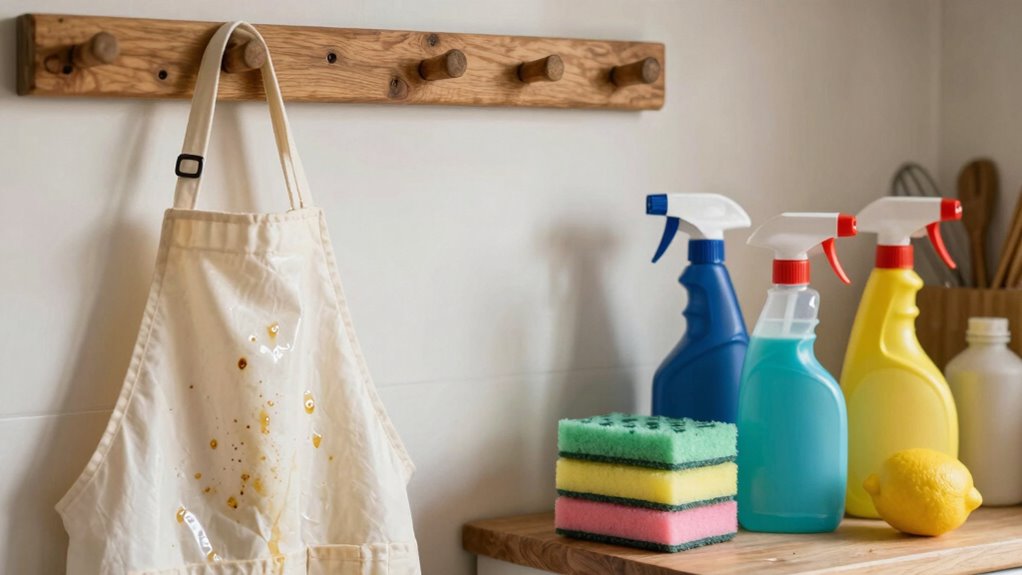

To effectively remove grease smells from fabric, avoid common mistakes like skipping pre-treatment and ignoring care labels. Don’t overuse detergent; it can cause residue buildup that traps odors. Also, steer clear of products like air fresheners or fabric softeners, as they only mask smells. Make sure to dry fabrics properly since rushing can lock in odors. By being mindful of these pitfalls, you’ll set yourself up for success in cleaning your fabrics. There’s more to discover on this topic.

Get movie nights delivered free with Prime
- Fast, free delivery on millions of items
- Prime Video, Amazon Music and more included
- Member-only deals all year
Key Takeaways
- Skipping pre-treatment can lead to ineffective grease removal; always apply a suitable solvent before washing.
- Using fabric softeners can trap odors; avoid direct application to greasy fabrics.
- Washing greasy items in cold water fails to break down grease; use warm or hot water instead.
- Rushing the drying process can lock in odors; ensure fabrics are completely dry before storage.
- Ignoring fabric care labels can result in damage and poor cleaning outcomes; always follow the guidelines provided.
Identify the Source of Grease Smells Before Cleaning
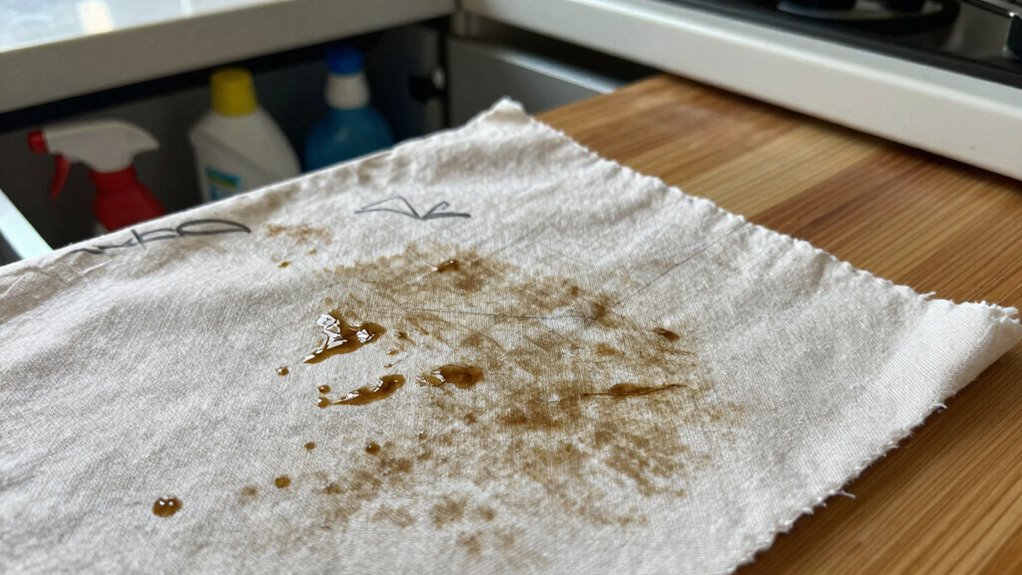
Have you ever wondered why certain fabrics hold onto grease smells more than others? It often comes down to the grease sources involved and the fabric’s ability to absorb them. Before you engage in cleaning, take a moment for a thorough fabric assessment. Check if the grease smell originates from cooking oils, automotive fluids, or other sources. Each type of grease interacts differently with various fabrics. For instance, cotton might absorb oils more readily than synthetic blends, leading to persistent odors. Identifying the source can help you choose the right cleaning method and products. Once you know where the smell comes from, you’ll be better equipped to tackle the problem effectively, ensuring your fabric returns to its fresh, clean state.
Common Mistakes People Make When Removing Grease Smells
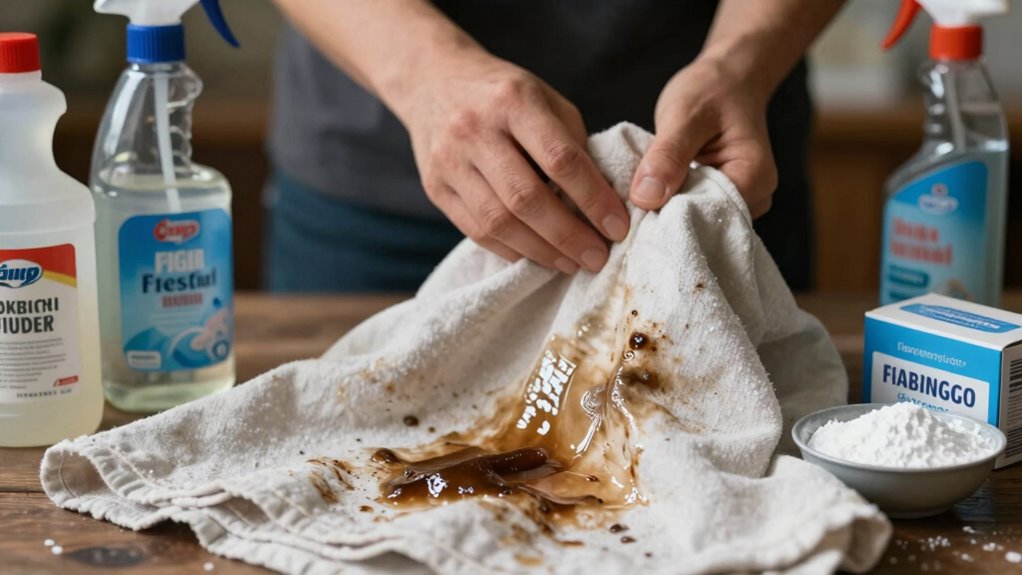
When tackling grease smells, many people make simple mistakes that can hinder their efforts. One common error is using the wrong cleaning techniques. For instance, applying fabric softener directly to greasy fabrics can trap the grease odor instead of eliminating it. Another mistake is not pre-treating the affected area; skipping this step means the cleaning solution won’t penetrate effectively. Additionally, using too much detergent can lead to residue buildup, making the smell worse. It’s also essential to avoid washing greasy items in cold water, as it won’t break down the grease adequately. Finally, drying the fabric before ensuring the odor is gone can set the smell in, making it even harder to remove later.
Avoid These Products That Worsen Grease Smells
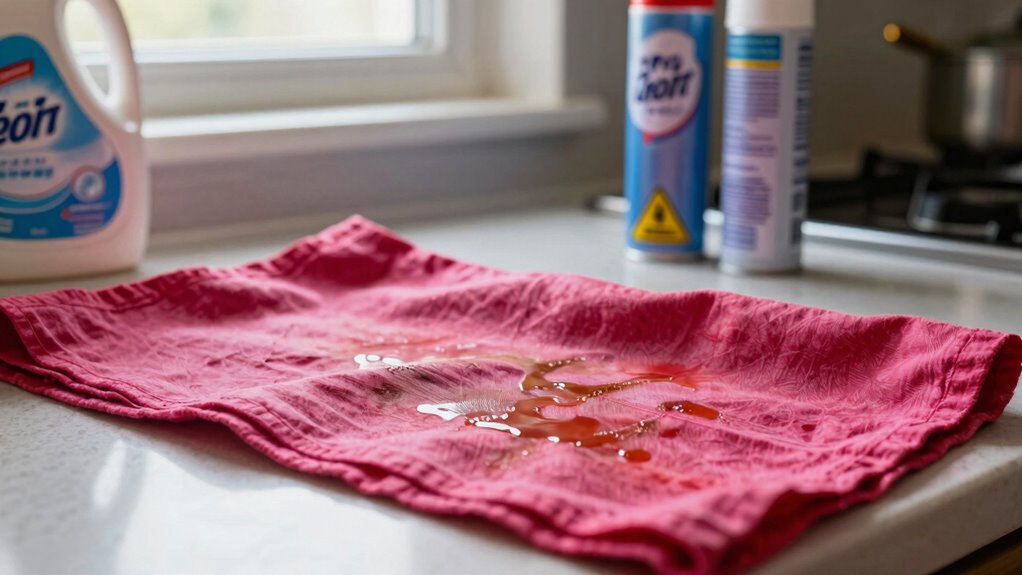
While you might think certain products can help combat grease smells, some actually make the situation worse. Using unhelpful cleaners or relying on fragrance masking can lead to more problems. Here are four products you should avoid:
- Air Fresheners – They mask the smell temporarily but don’t eliminate it.
- Fabric Softeners – These can trap odors in the fabric, making it worse.
- Surfactant-Heavy Detergents – They may leave residues that attract more grease over time.
- Baking Soda Alone – It can absorb some odors, but it won’t fully tackle grease smells.
Choosing the right products is essential to effectively removing those pesky odors. Stick to solutions designed for grease removal instead!
Why You Shouldn’t Ignore Fabric Care Labels
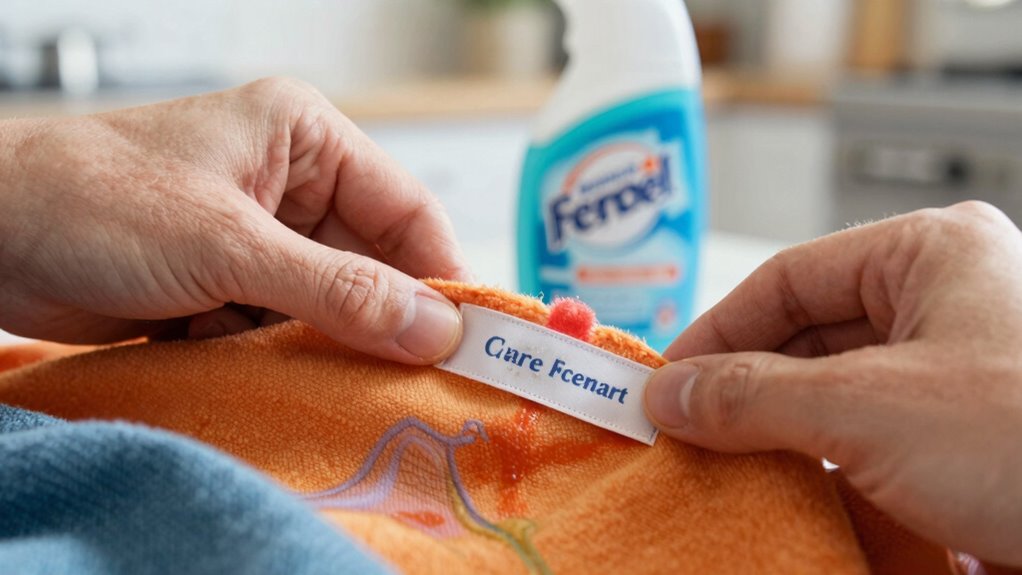
Ignoring fabric care labels can lead to mishaps that ruin your favorite clothes. These labels provide essential information on how to clean and maintain your fabrics properly, ensuring they last longer. Misinterpreting them can result in unwanted damage, so it’s vital to pay attention.
Importance Of Care Labels
Fabric care labels play an essential role in maintaining the longevity and appearance of your garments, as they provide important information on how to properly clean and care for each material. Ignoring these labels can lead to fabric damage and poor results. Here’s why you shouldn’t overlook their care label significance:
- Proper Cleaning: Following fabric cleaning guidelines guarantees you’re using the right products and methods for each material.
- Avoid Damage: Incorrect washing temperatures and drying methods can ruin your favorite pieces.
- Retain Color: Labels often specify how to prevent fading or discoloration.
- Enhance Durability: Proper care helps preserve the fabric’s integrity, extending its lifespan.
Common Label Misinterpretations
Many people misinterpret fabric care labels, leading to costly mistakes in laundry routines. You might think “cold wash” means using cold water for everything, but some fabrics need special attention. Label confusion can arise from vague symbols or unclear instructions. For instance, a label might suggest hand washing, but you might assume it’s safe to toss it in the machine. These care misinterpretations can result in damaged clothes, shrinking, or even worse—lingering grease smells. Always take a moment to read and understand those labels. They’re there to guide you in preserving your fabrics and keeping them fresh. Ignoring them might save time now but could lead to bigger headaches later. Be informed, and your laundry will thank you! Additionally, understanding filtration/suction basics can help in selecting the right cleaning methods for grease removal, enhancing your overall laundry routine. Furthermore, utilizing proper HEPA filters in your cleaning devices can significantly reduce unwanted odors, including grease smells, from your fabrics. Using the right laundry products can also contribute to effectively eliminating stubborn grease odors from your clothing. Moreover, indoor air quality can be improved by ensuring that your laundry area is well-ventilated, which helps in reducing the buildup of unpleasant smells. Proper maintenance of your air purifier, including regular filter changes, can also enhance the cleanliness of the air in your laundry space.
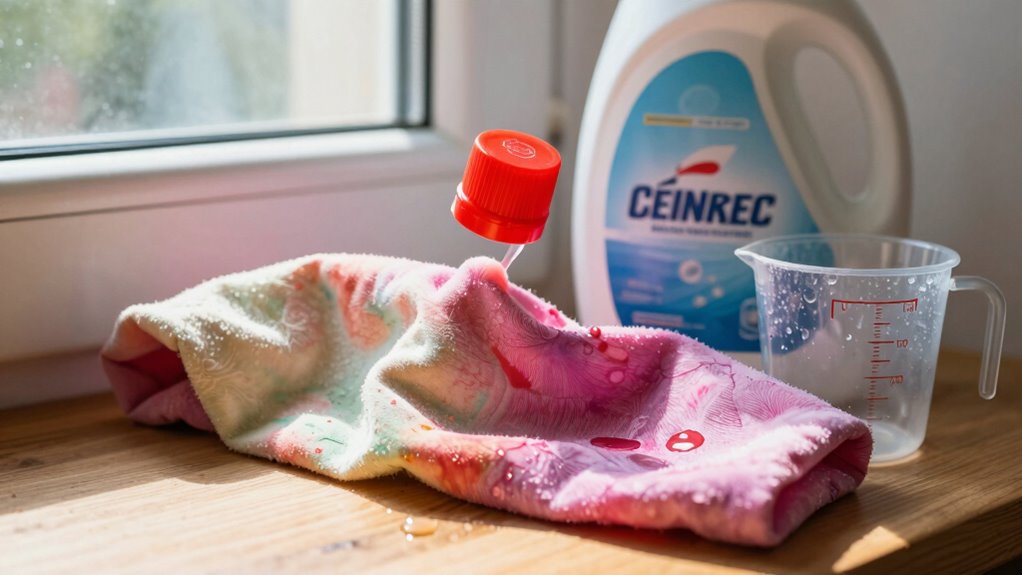
While it might seem intuitive to pile on detergent when tackling stubborn grease smells, doing so can actually backfire. Using too much detergent can lead to residue buildup, making your fabrics smell worse. Instead, focus on the right detergent concentration and adjust your washing frequency for effective cleaning. Here are some tips to avoid overusing detergent:
- Follow the Label: Always check the recommended dosage on your detergent bottle.
- Measure Carefully: Use a measuring cup instead of pouring directly from the bottle.
- Assess Soil Levels: For lightly soiled items, use less detergent; more for heavily soiled fabrics. Additionally, dryer balls can help improve the washing process by reducing detergent clumping. Furthermore, using the right detergent concentration can optimize cleaning performance without excessive buildup. Incorporating smart home technology can further enhance your laundry routine by monitoring air quality and reducing odors in your home environment. Also, maintaining proper kitchen ventilation can help prevent grease from settling on fabrics in the first place.
- Wash Regularly: Frequent washes can help maintain freshness without needing excessive detergent. Additionally, using anti-fatigue mats can help reduce the discomfort that might lead to greasy stains on your clothing while standing for long periods.
Don’t Skip Pre-Treatment: A Common Mistake
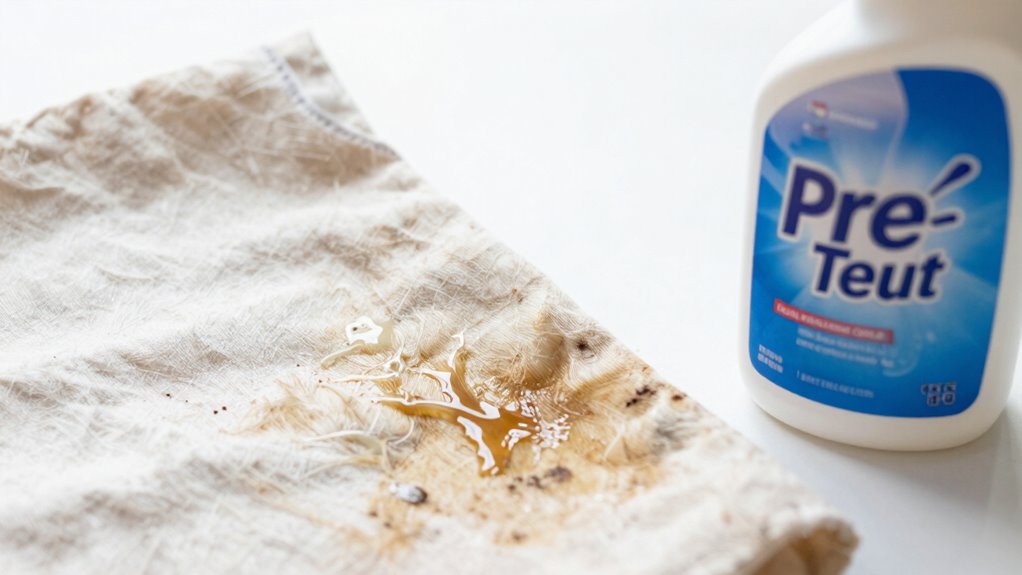
When tackling grease smells, pre-treatment is essential for effective results. Skipping this step can leave stubborn odors behind, making your efforts less effective. Let’s explore some effective pre-treatment methods to guarantee your fabric comes out fresh and clean.
Importance Of Pre-Treatment
Before you plunge into washing your grease-stained fabric, remember that pre-treatment is crucial for effective stain removal. Skipping this step can lead to lingering odors and stains. Different fabric types require specific pre-treatment techniques to guarantee the best results. Here’s why you shouldn’t overlook pre-treatment:
- Stain Breakdown: It loosens grease, making it easier to wash out.
- Odor Removal: Pre-treatment helps neutralize unpleasant smells before washing.
- Fabric Protection: Certain techniques safeguard delicate materials during the cleaning process.
- Better Results: You’ll achieve cleaner, fresher fabrics when you pre-treat effectively.
Effective Pre-Treatment Methods
Pre-treatment methods can make all the difference in removing grease smells from fabric. You shouldn’t skip this vital step if you want your fabric to smell fresh again. Start by applying effective solvents directly to the greasy area; options like rubbing alcohol or dish soap work wonders. Gently blot the fabric instead of rubbing it, as this helps lift the grease without spreading it. Another great pre-treatment technique is using a mixture of white vinegar and water, which neutralizes odors effectively. Allow the solution to sit for about 15 minutes before laundering. Remember, taking the time to pre-treat can greatly enhance your chances of eliminating stubborn grease smells, making your cleaning process much easier in the long run.
The Importance of Properly Drying Fabrics After Cleaning
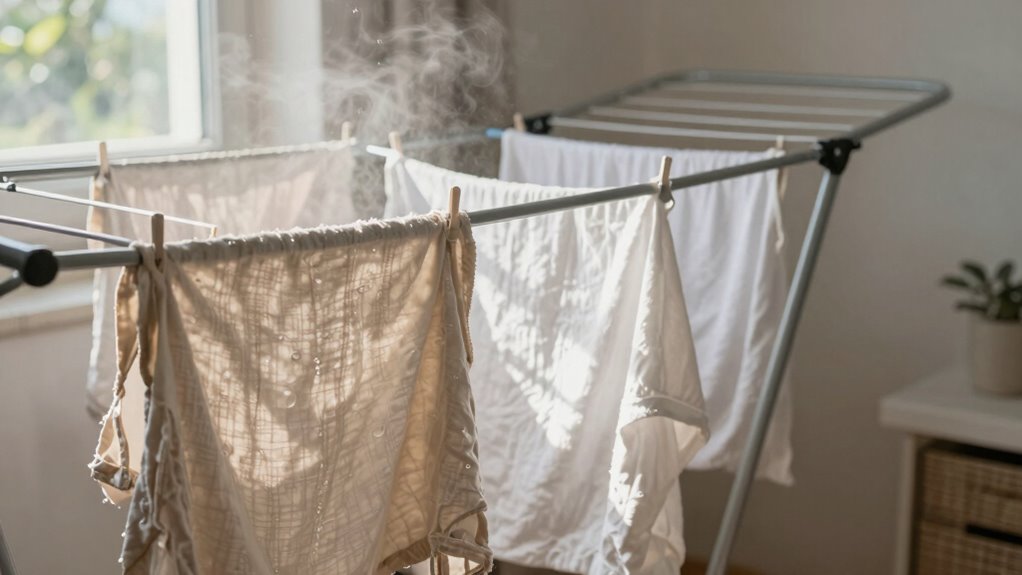
Properly drying fabrics after cleaning is essential if you want to eliminate any lingering grease smells. If you skip or rush this step, you could end up with odors trapped in the fibers. Different fabric types require specific drying techniques, so be mindful of that. Here are some tips:
- Air Dry: For delicate fabrics, hang them outside or in a well-ventilated area to prevent damage.
- Tumble Dry: Use low heat for durable fabrics. High heat can set smells instead of removing them.
- Avoid Dampness: Verify fabrics are completely dry before storing to prevent mildew.
- Use Dryer Balls: They help improve airflow and reduce drying time, guaranteeing a thorough dry.
Additionally, maintaining indoor air quality during the drying process can help further eliminate any residual odors.
Frequently Asked Questions
Can I Use Vinegar to Remove Grease Smells From Fabric?
Yes, you can use vinegar to remove grease smells from fabric. Its effectiveness lies in breaking down grease and neutralizing odors. Just mix equal parts vinegar and water, and soak the affected area before washing it in your machine. Make certain to check the fabric care label first to avoid any damage. After washing, let the fabric air dry to guarantee the smell’s completely gone. You’ll be pleased with the results!
How Do I Know if the Smell Is Gone?
To know if the smell is gone, you should do a smell test after washing your fabric. Sniff the area where the grease was most concentrated. If you detect any lingering odor, it may need another wash. Make sure you follow proper fabric care instructions, as some materials require gentle handling. Trust your nose, and don’t hesitate to repeat the process until you’re satisfied with the freshness of your fabric.
Is There a Difference Between Natural and Synthetic Fabrics?
Yes, there’s a difference between natural and synthetic fabrics. Natural fabrics, like cotton and wool, often absorb odors more readily due to their fibers’ characteristics, requiring gentle cleaning techniques to avoid damage. Synthetic fabrics, such as polyester, resist stains and odors better, allowing for more aggressive cleaning methods. Understanding these differences helps you choose the right approach, ensuring effective odor removal without harming your fabrics. Always check labels for specific care instructions!
Can I Machine Wash All Types of Fabrics?
You can’t machine wash all types of fabrics. Fabric care differs based on the material, so always check the care label first. Delicate fabrics like silk or lace often require hand washing or dry cleaning to avoid damage. For sturdier fabrics, using proper washing techniques, like cold water and a gentle cycle, can help maintain their quality. Always separate colors and consider using a mesh bag for added protection.
How Often Should I Clean Fabrics With Grease Smells?
You should clean fabrics with grease smells as soon as you notice the odor, but generally, aim for a cleaning schedule every two to four weeks for items frequently exposed to grease, like aprons or work clothes. For less frequently used fabrics, every few months might suffice. Following these frequency guidelines helps maintain freshness and prevents odors from setting in. Don’t wait too long, or the smell could become harder to eliminate.
Conclusion
In your quest to banish grease smells from fabric, remember to steer clear of common pitfalls. By identifying the source and following care labels, you’ll prevent the stench from clinging like a stubborn shadow. Don’t drown your fabrics in detergent, and always pre-treat those pesky spots. Finally, let your items dry properly to seal the freshness. With these tips, you’ll transform your fabrics from greasy nightmares into fragrant dreams, making your home feel like a refreshing change!
Halloween Picks
halloween
As an affiliate, we earn on qualifying purchases.