
TL;DR

Get movie nights delivered free — and shop member deals
- Fast, free delivery on millions of items
- Access to Prime Big Deal Days deals on October 6–7
- Prime Video, Amazon Music and more included
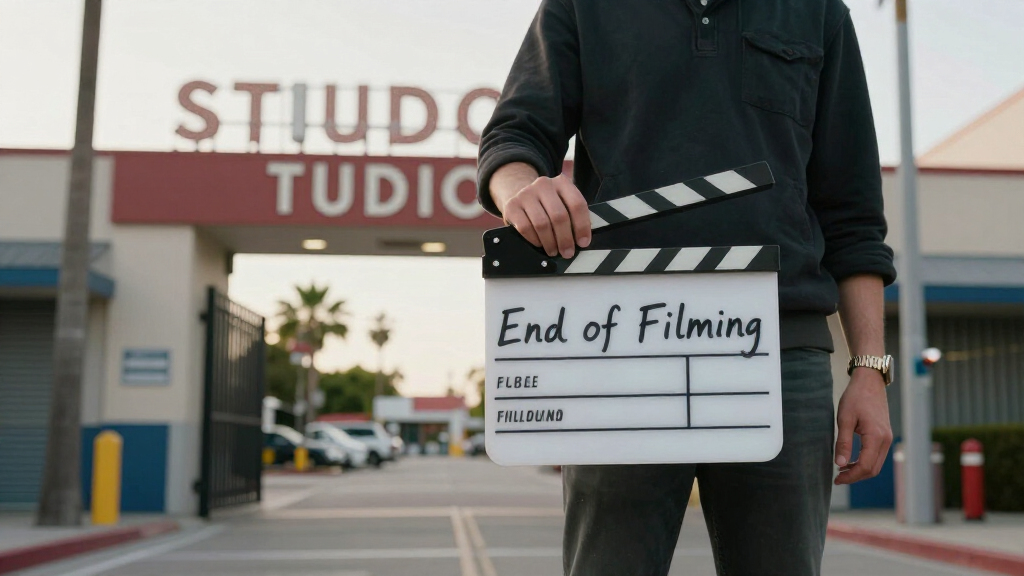
Several leading Hollywood studios have stopped producing movies in Hollywood itself, relocating production activities to other regions. This marks a significant shift in the industry’s geographic footprint. The move is confirmed by multiple studio executives, though the full reasons and future plans remain unclear.
Major Hollywood studios have stopped producing movies in Hollywood city, relocating their production activities to other regions. This decision, confirmed by multiple studio executives, marks a significant change in the industry’s geographic landscape and could impact local economies and employment.
Over the past several months, several leading film studios, including Warner Bros., Paramount, and Sony, have officially announced the cessation of film production within Hollywood city limits. Instead, they are shifting production to states like Georgia, Louisiana, and California’s inland regions, citing factors such as rising costs, logistical challenges, and changing industry priorities.
Sources close to the studios confirm that these decisions are part of a broader strategic move to diversify production locations and reduce expenses. The Hollywood Chamber of Commerce has acknowledged the closures but has not provided specific numbers on the total number of productions halted.
Economic and Cultural Impact of Industry Shift
This development signifies a major shift in the American film industry’s geographic focus, potentially affecting Hollywood’s economic vitality, local employment, and cultural prominence. As studios relocate, Hollywood risks losing its status as the global entertainment hub, which could influence international perception and tourism. The move also reflects broader industry trends toward regional production hubs and cost-saving measures, which may reshape Hollywood’s traditional dominance.Industry Trends and Historical Shifts in Film Production
Historically, Hollywood has been the center of American film production since the early 20th century. However, in recent years, studios have increasingly diversified their locations due to rising costs in Los Angeles, state tax incentives elsewhere, and the COVID-19 pandemic’s impact on traditional production workflows. The trend toward regional hubs has accelerated, with states offering financial incentives to attract productions. This shift has been ongoing but has now reached a point where some studios are fully withdrawing from Hollywood city itself.Unclear Long-Term Effects and Future Plans
It is not yet clear whether Hollywood will regain its status as the primary film production hub or if this shift is permanent. Details about how many productions will fully relocate and the impact on Hollywood’s local economy remain uncertain. Additionally, the industry’s response to these changes and potential policy measures are still developing.
Next Steps in Industry Realignment and Local Policy Responses
Industry analysts expect further announcements from studios about their future production plans. Local governments in Hollywood are likely to consider incentives or policies to retain some level of production activity. The industry may also see increased investment in regional hubs, influencing Hollywood’s traditional dominance in film making.
Key Questions
Why are studios moving production out of Hollywood?
Studio executives cite rising costs, logistical challenges, and strategic efforts to diversify locations as the main reasons for relocating production activities.
Will Hollywood completely lose its film industry status?
It is unclear if the industry’s shift away from Hollywood will be permanent or if Hollywood will remain a major hub. The situation is still developing.
How will this affect Hollywood’s local economy?
The move could lead to job losses and reduced economic activity in Hollywood, though some local officials are exploring incentives to retain production.
Are other regions benefiting from this shift?
Yes, states like Georgia, Louisiana, and parts of California’s inland regions are attracting more film productions due to favorable incentives and lower costs.
Source: hn
Fall Picks
fall essentials
As an affiliate, we earn on qualifying purchases.