
TL;DR

Get movie nights delivered free — and shop member deals
- Fast, free delivery on millions of items
- Access to Prime Big Deal Days deals on October 6–7
- Prime Video, Amazon Music and more included
Pop culture collectibles span items like action figures, trading cards, and digital assets. Their value depends on rarity, condition, and cultural significance, with a booming market driven by online sales and collaborations. Understanding authenticity and market trends helps collectors turn passion into smart investments.
Imagine holding a piece of your favorite universe in your hands — a vintage action figure, a rare comic, or even a digital token representing a cherished moment. That’s the magic of pop culture collectibles. They’re more than just objects; they’re artifacts of fandom, nostalgia, and sometimes, serious investment.
In this guide, you’ll learn what makes a collectible valuable, the latest trends shaking up the market, and how you can start or enhance your own collection. Whether you’re a casual fan or a seasoned investor, understanding the core aspects of pop culture collectibles can turn your passion into a profitable hobby or even a serious asset.
Rarity, condition, and authenticity are the foundation of valuable collectibles, with some items selling for millions due to their cultural significance.
Digital assets like NFTs have opened new avenues in pop culture collecting, blending online hype with real-world value.
The market is driven by collaborations, limited editions, and global online sales, making it more accessible but also more competitive.
Always verify authenticity through grading services and provenance to protect your investments.
Proper care and storage extend the life and value of your collectibles, turning passion into a lasting asset.
What Exactly Are Pop Culture Collectibles? Here’s the Clear Definition
Pop culture collectibles are tangible items inspired by movies, TV shows, comics, music, video games, and other forms of entertainment. Think of action figures from your favorite superhero franchise, limited-edition posters, or rare trading cards featuring legendary athletes or comic book heroes. They encompass a wide range of items, from vintage toys to modern digital assets.
For example, a 1977 Star Wars action figure in its original packaging can fetch thousands, while a signed Beatles poster might be worth even more. These items capture moments, characters, or artists that resonate deeply with fans — turning fandom into tangible assets.
They fall into several key categories:
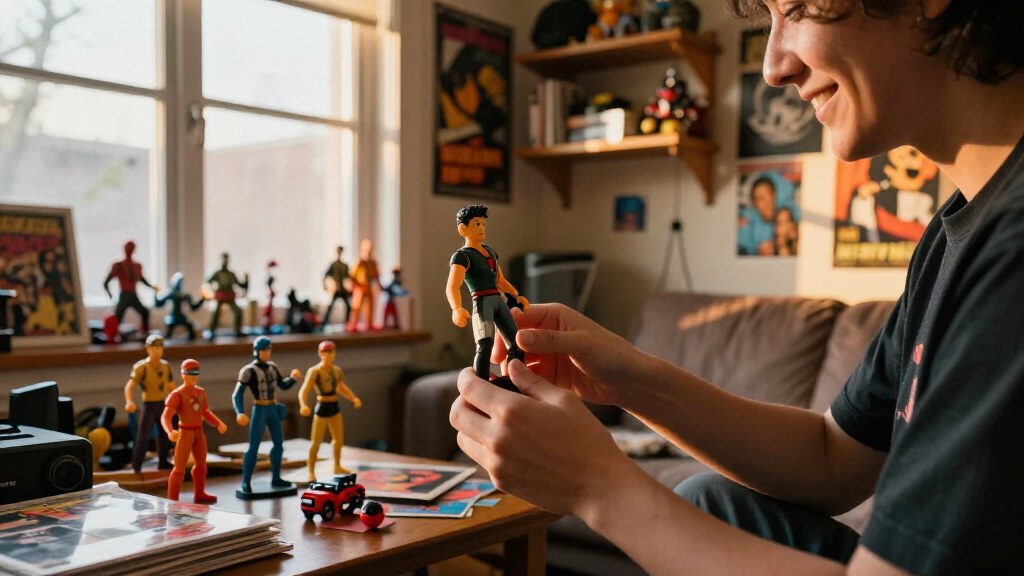
- Action Figures & Toys: From vintage Kenner Star Wars figures to new Marvel Legends.
- Trading Cards: Pokémon, sports cards, or comic book cards with rare variants.
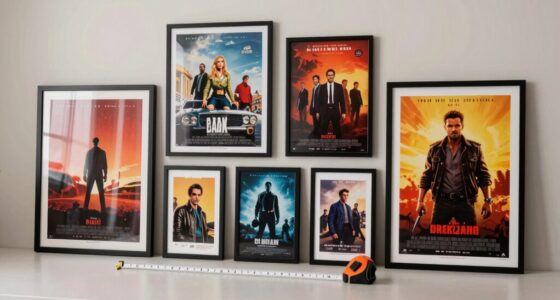
- Posters & Artwork: Limited-edition prints, original art, or promotional posters from blockbuster movies.
- Autographs & Memorabilia: Signed items or costumes worn by celebrities or characters.
- Music & Merch: Rare albums, band merchandise, or concert posters.
These items are the building blocks of a vibrant, ever-evolving market. Their value hinges on how rare, authentic, and culturally significant they are.
How Pop Culture Collectibles Keep Evolving: Trends You Need to Know
The world of pop culture collectibles is constantly shifting, driven by technology, fandom, and market forces. Recently, one of the biggest game-changers has been the rise of NFTs — digital assets that offer unique ownership of digital art, moments, or characters. Imagine owning a one-of-a-kind digital art piece inspired by your favorite movie — that’s what NFTs bring to the table.
Beyond digital, recent trends include:
- Global Market Expansion: Online platforms and social media have opened up buying and selling to a worldwide audience, increasing accessibility.
- High-Profile Sales: Major auction houses like Sotheby’s now regularly handle multi-million-dollar sales of rare collectibles, elevating their status as investment assets.
- Limited Editions & Collaborations: Entertainment brands partner with artists or designers to produce scarce items, creating hype and scarcity. For example, a limited-edition Marvel x Adidas sneaker or a signed Stranger Things poster in a pop-up shop.
- Market as Investment: Collectibles are now seen as a way to diversify assets. Some items, like vintage comic books or rare action figures, have appreciated 300% in just a few years.
- Sustainability Concerns: With growing awareness around manufacturing ethics, some collectors prefer items with transparent provenance or eco-friendly production.
All these trends show how pop culture collectibles are more than just memorabilia — they’re a vibrant, multi-layered market that reflects broader cultural shifts.
The Hidden Secrets That Make Some Collectibles Worth Millions
Ever wonder why some items sell for millions while similar ones languish in obscurity? The secret sauce is a mix of rarity, condition, authenticity, and cultural significance.
For instance, a 1938 Action Comics #1 — the first appearance of Superman — sold for over $3.2 million in 2014. Its value skyrocketed because it was a rare, well-preserved copy with verified provenance. Similarly, a vintage 1970s Star Wars action figure in mint condition can fetch $10,000 or more, especially if unopened.
Authenticity is king. Collectors rely on grading services like CGC or PSA, which certify items’ condition and authenticity — critical for high-value sales. Provenance, or the item’s ownership history, adds trust and boosts value.
And don’t forget — cultural significance fuels demand. Items tied to iconic moments or beloved characters tend to appreciate faster. That’s why a signed Beatles poster from their 1965 tour can be worth more than a generic concert poster.
In short, understanding what makes an item rare and authentic can turn a casual collector into a serious investor.
The Best Places to Buy and Sell Pop Culture Collectibles
If you’re thinking about starting or expanding your collection, knowing where to buy and sell is half the battle. The right marketplace can mean the difference between a great find and a scam.
Reputable online platforms include eBay, where you’ll find everything from vintage toys to autographed memorabilia. Look for sellers with high ratings and verified authenticity. Specialized auction houses like Heritage Auctions often handle high-end collectibles, providing expert appraisals and secure transactions.
Conventions and pop culture expos offer in-person opportunities to see items firsthand and negotiate directly with sellers or fellow collectors. Examples include San Diego Comic-Con or New York Comic-Con — perfect for rare finds and networking.
Online communities such as Reddit’s r/PopCultCollectibles or dedicated Facebook groups also provide niche markets and advice. These groups often have trusted members, and you can get insights into the latest trends or rare items.
Always verify authenticity, ask for provenance, and compare prices before buying. When selling, consider grading your items and providing detailed photos to attract serious buyers.
Are Pop Culture Collectibles a Good Investment? Here’s the Truth
Many collectors wonder if their obsession can turn into real wealth. The short answer: yes, some collectibles have appreciated dramatically, but it’s not a guaranteed gold mine.
Items like first-edition comics, vintage toys, or signed memorabilia have seen value jumps of 200-500% over recent years. For example, a 1962 Batman comic sold for over $2.4 million — a record for comic book sales. But not every collectible will grow in value. Market trends fluctuate, and new items can flood the market, diluting rarity.
Risk is real. Counterfeit items, over-saturation, or declining interest can cause prices to tumble. That’s why thorough research, authentic grading, and patience are key. Think of collectibles as a long-term investment, not a quick flip.
According to some experts, diversifying your collection — rather than chasing one big score — offers better chances for steady appreciation. And always remember: buy what you love, because passion often fuels better decisions.
How to Protect and Care for Your Pop Culture Treasures
Preserving your collectibles is just as important as acquiring them. A well-maintained item retains its value and can even appreciate over time.
Start by storing items in a cool, dry place away from direct sunlight. Use acid-free sleeves and hard cases for comics and trading cards. For larger items like action figures, display them in dust-free cabinets with UV-protective glass.
Handle collectibles with clean hands or gloves to prevent oils and dirt from damaging surfaces. Regularly check for signs of deterioration like fading, warping, or corrosion.
For autographed items or vintage toys, keep detailed records of provenance and grading certificates. Document every purchase with receipts and photographs. This paperwork boosts confidence in authenticity and value during resale.
In short, treating your collection with care pays off — it preserves the magic and the investment.
Frequently Asked Questions
How do I know if a collectible is authentic?
Use grading services like CGC or PSA, check for certificates of authenticity, and research the item’s provenance. Always buy from trusted sellers with good reviews to minimize the risk of counterfeits.
What are the most valuable pop culture collectibles?
Rare comics like Action Comics #1, vintage action figures in mint condition, signed memorabilia, and limited-edition collaborations tend to top the list. Recent sales show some items fetch over $1 million.
Can I really make money from collecting?
Yes, some items have appreciated significantly, especially vintage, rare, or signed pieces. But it requires research, patience, and an understanding of market trends. Not every collectible will increase in value — so buy what you love and keep that in mind.
Where should I start if I want to collect?
Begin with what excites you—comics, toys, music memorabilia—and learn about market values and authenticity. Join online groups, visit conventions, and start small. Focus on quality over quantity to build a meaningful collection.
Conclusion
Your collection isn’t just a pile of items — it’s a slice of pop culture history. Whether you’re hunting for vintage toys or digital art, understanding what drives value helps you buy smart and preserve your treasures.
Think of collectibles as more than nostalgia — they’re stories, investments, and pieces of entertainment that can last a lifetime. Keep your eye on authenticity, market trends, and care, and your passion can become a rewarding journey.
Fall Picks
fall essentials
As an affiliate, we earn on qualifying purchases.