
Speaker dust covers protect your speakers from dust and debris, keeping them clean and prolonging their lifespan. However, their impact on sound quality varies. If the covers fit well, they can enhance clarity, but thick materials might distort frequencies. It’s essential to choose the right material for minimal interference. By properly using dust covers, you can maintain audio performance while safeguarding your equipment. Explore how to select the best covers and their alternatives to maximize your audio experience.

Get movie nights delivered free — and shop member deals
- Fast, free delivery on millions of items
- Access to Prime Big Deal Days deals on October 6–7
- Prime Video, Amazon Music and more included
Key Takeaways
- Dust covers protect speakers from debris, maintaining sound clarity and preserving audio quality over time.
- Well-fitted covers can enhance sound clarity by preventing dust from settling on components.
- Material choice is crucial; breathable fabrics like cotton aid sound absorption while dense materials may negatively affect frequency response.
- Covers should fit snugly without blocking ports, and moisture or trapped air must be avoided to prevent damage.
- Alternatives like speaker grills and acoustic panels can also protect speakers without compromising sound quality.
How Dust Covers Protect Your Speakers

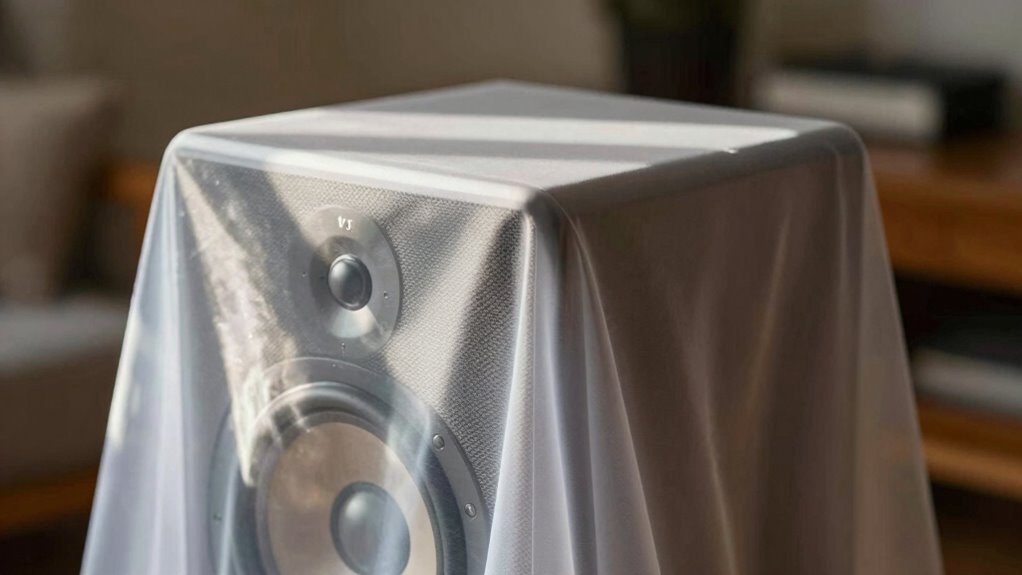
Dust covers can be a simple yet effective way to protect your speakers from dust and debris. When you use dust covers, you’re ensuring ideal dust protection, which is essential for maintaining the performance of your audio equipment. Dust accumulation can not only affect the aesthetic appeal of your speakers but can also interfere with their functionality over time. By keeping dust at bay, you’re fostering sound preservation, allowing your speakers to deliver clear, uninterrupted audio. Additionally, these covers are easy to use and can be quickly removed when you’re ready to enjoy your music. Investing in dust covers is a smart choice for anyone who values their sound system, ensuring longevity and consistent sound quality in your listening experience.
Do Speaker Dust Covers Affect Sound Quality? Pros and Cons?
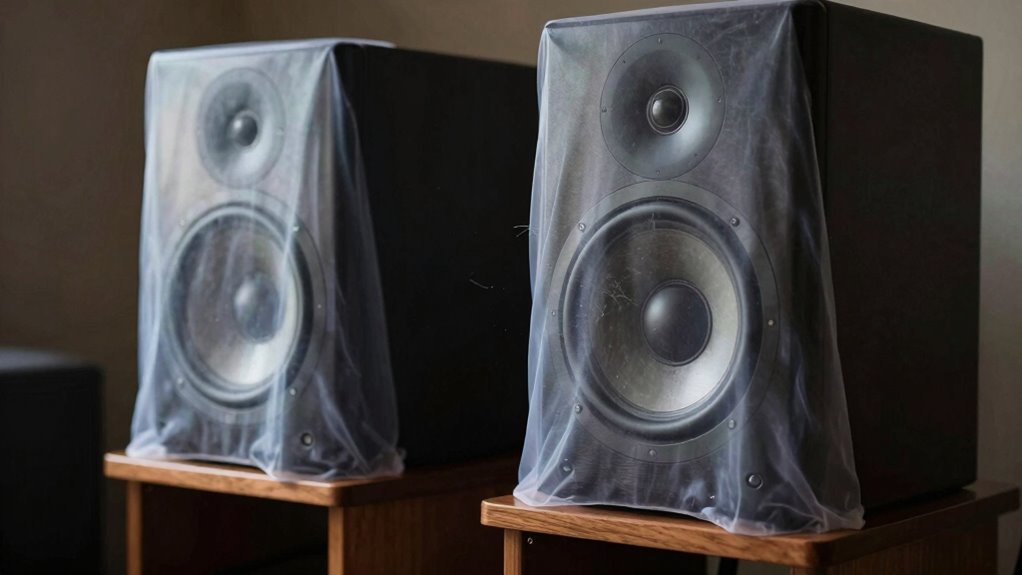
While you might think dust covers are purely protective, they can also influence sound quality in various ways. On one hand, a well-fitted dust cover can enhance sound clarity by preventing unwanted dust and debris from settling on the speaker components, which could otherwise muddy the audio. On the flip side, if the material is too thick or dense, it may negatively impact frequency response, causing a loss of detail in higher ranges or a muffled sound. Additionally, some covers might resonate, adding unwanted coloration to the audio. Ultimately, the effectiveness of dust covers in maintaining sound quality depends on the material and design you choose, so it’s essential to weigh the pros and cons before making a decision.
Selecting the Best Materials for Speaker Dust Covers
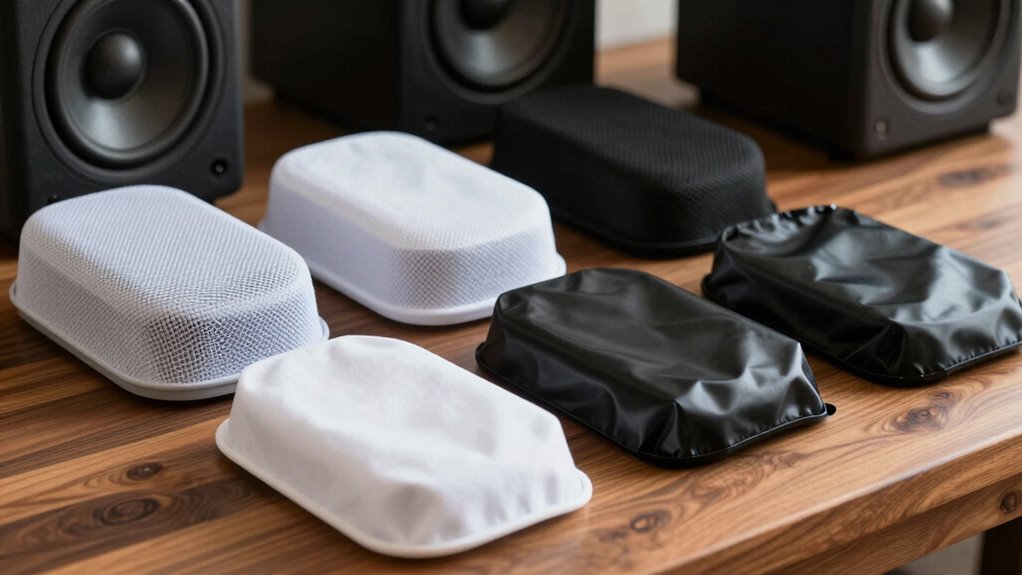
Choosing the right materials for speaker dust covers can greatly impact both protection and sound quality. You’ll want to reflect on various material types like cotton, polyester, and microfiber. Cotton is breathable and soft, which aids in sound absorption without compromising audio clarity. Polyester, on the other hand, offers durability and is often water-resistant, making it a practical choice for long-term use. Microfiber combines both benefits, providing excellent dust protection while minimizing sound interference. When selecting your dust cover, prioritize materials that balance protection with minimal impact on sound. Remember, the right cover not only shields your speakers but also enhances your listening experience by preserving sound quality.
Effective Ways to Use Speaker Dust Covers
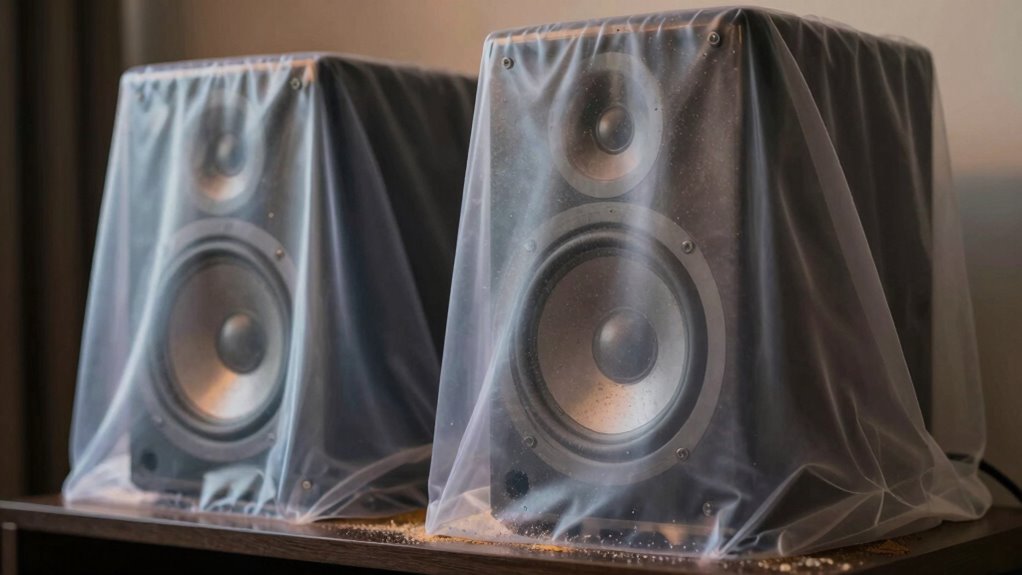
To maximize the benefits of your speaker dust covers, it is vital to use them strategically. First, pay attention to cover placement; make certain the covers fit snugly over your speakers without blocking any ports or drivers. This prevents dust accumulation while allowing peak sound performance. When you’re not using the speakers, cover them to keep them clean and protected. Remember to check for moisture or trapped air under the covers, as these can damage your speakers over time. For effective maintenance tips, regularly clean the covers to avoid transferring dirt back onto the speakers. By following these guidelines, you’ll preserve the sound quality and longevity of your speakers, guaranteeing a better listening experience.
Other Options Besides Speaker Dust Covers
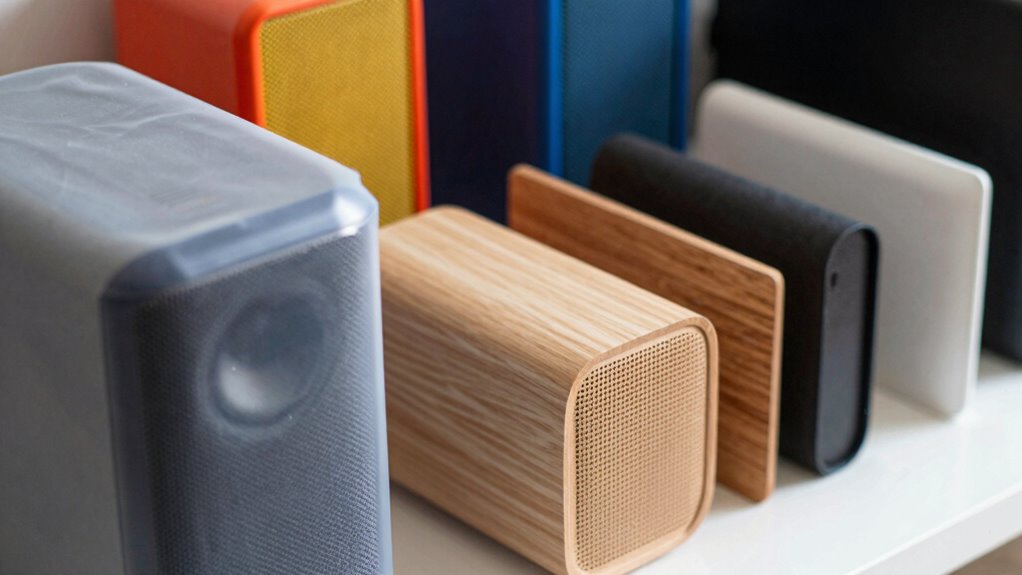
If you’re looking for alternatives to speaker dust covers, several options can help protect your speakers without compromising sound quality. One effective choice is using speaker grills. These not only shield your speakers from dust and debris but also allow sound waves to pass through with minimal interference. Another option is to invest in acoustic panels. These panels can enhance your room’s sound quality while providing an additional layer of protection for your speakers. You can strategically place them around your speakers to absorb unwanted reflections and improve overall acoustics. By considering these alternatives, you can maintain the integrity of your audio experience while keeping your equipment safe from dust and damage.
Frequently Asked Questions
Can I Use a Homemade Dust Cover for My Speakers?
Yes, you can use a homemade dust cover for your speakers. Just make sure you choose lightweight materials that won’t muffle sound or affect speaker performance. Fabrics like cotton or breathable mesh work well, as they protect against dust without obstructing audio quality. Avoid heavy or thick materials that could dampen sound. By crafting a custom cover, you’re giving your speakers protection while ensuring they still deliver great audio.
How Often Should I Clean My Speaker Dust Covers?
Cleaning frequency for your speaker dust covers really depends on the materials used and your environment. If you’re in a dusty area, you might need to clean them weekly; otherwise, a monthly routine could suffice. On one hand, regular cleaning keeps your covers looking fresh and helps maintain sound quality. On the other, over-cleaning can wear out delicate materials. So, find a balance that keeps your speakers protected without compromising their longevity.
Are There Specific Speaker Types That Need Dust Covers?
Yes, certain speaker types definitely benefit from dust covers. Active speakers, vintage speakers, and bookshelf speakers can accumulate dust quickly, which may affect their performance. Dust covers help protect these models from debris, ensuring clearer sound quality. Studio monitors, often used in professional settings, should also have covers to maintain their integrity. By using dust covers, you can prolong the life of your speakers and keep them sounding their best.
Do Dust Covers Prevent Moisture Damage?
When it comes to moisture protection, dust covers can be a real lifesaver for your speakers. They act like a shield, helping to keep humidity at bay and prolonging your speaker’s longevity. Without them, moisture can seep in and cause damage over time. So, if you want to keep your audio equipment in tip-top shape, covering them up when not in use is definitely the way to go!
Can Dust Covers Be Used While Playing Music?
You shouldn’t use dust covers while playing music, as they can greatly affect sound quality. The material might muffle or distort the audio, impacting your listening experience. Dust covers are designed to protect speakers when not in use, not during performance. To enjoy the best sound, remove them before you hit play. You’ll appreciate the full range and clarity of your music without any interference from the cover.
Conclusion
In the end, speaker dust covers can be your speakers’ best friend, shielding them from the relentless march of dust like a cozy blanket on a chilly night. Yet, tread carefully; they might also muffle the crisp highs and deep lows you crave. Picture your favorite tunes flowing effortlessly, unencumbered by barriers. When choosing your dust cover, consider materials that balance protection and sound. With the right approach, you can enjoy the harmony of clean speakers and vibrant sound.
Fall Picks
fall essentials
As an affiliate, we earn on qualifying purchases.