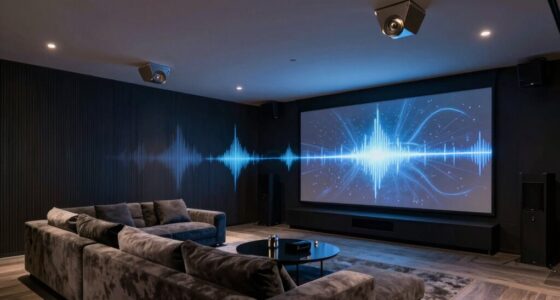

Acoustic panels effectively reduce echoes and enhance sound clarity in various environments, like homes or offices. They work by absorbing sound waves, making conversations and music clearer. However, they won’t eliminate all noise or tackle structural issues, like low-frequency sounds or impact noises. Placement and panel thickness matter too—more panels don’t always mean better results. If you’re curious about the specifics and best practices for using these panels, there’s more to explore.

Get movie nights delivered free — and shop member deals
- Fast, free delivery on millions of items
- Access to Prime Big Deal Days deals on October 6–7
- Prime Video, Amazon Music and more included
Key Takeaways
- Acoustic panels reduce echoes and reverberation but do not eliminate all noise in a space.
- They excel at absorbing airborne noise, enhancing clarity in voices and music.
- Panels are less effective against impact noise, such as footsteps or dropped objects.
- Proper placement and material choice are crucial; more panels do not always mean better results.
- A comprehensive approach, including bass traps and structural modifications, may be needed for low-frequency issues.
How Do Acoustic Panels Work to Absorb Sound?
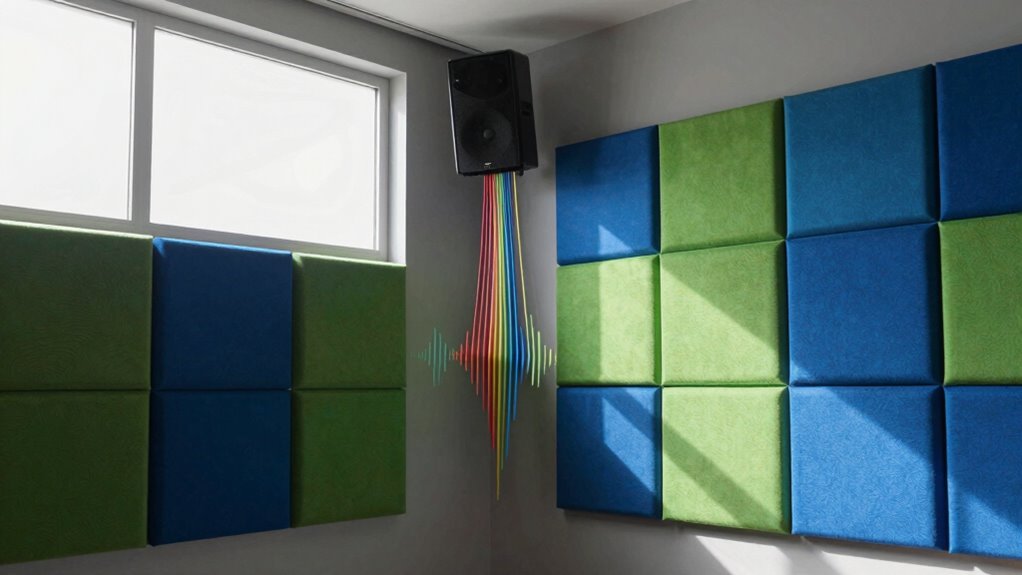
When you think about how acoustic panels work to absorb sound, it’s essential to understand their structure and material. These panels are typically made from porous substances like foam, fiberglass, or fabric-covered mineral wool, which are specifically designed for sound absorption. When sound waves hit these materials, they penetrate the surface and get trapped within the structure, reducing echo and reverberation in a room. The effectiveness of sound absorption largely depends on the panel materials and thickness. Thicker panels generally absorb lower frequencies better, while different densities can target specific sound ranges. By strategically placing these panels in your space, you can considerably improve the overall acoustics, creating a more pleasant and controlled environment.
Common Misconceptions About Acoustic Panels
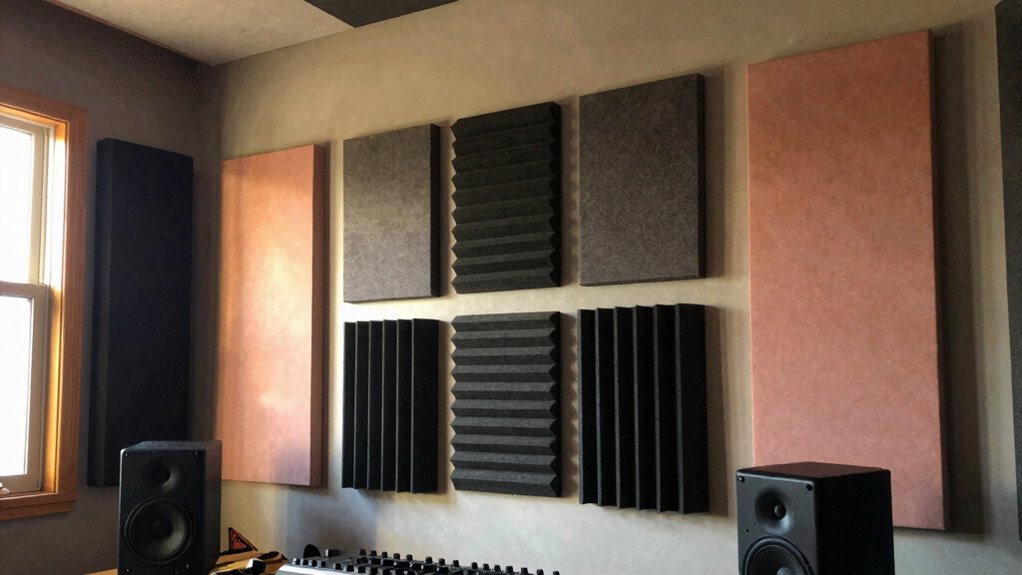
Acoustic panels are often misunderstood, leading to several myths about their capabilities and usage. Many people think these misunderstood materials can completely eliminate all noise, but that’s not true. Instead, they primarily focus on sound absorption, reducing echoes and reverberation in a space. You might believe that all acoustic panels are the same, but they vary in design, density, and effectiveness. Some might think they’re only for studios or theaters, but they can enhance any room, from offices to home theaters. It’s also a common misconception that using more panels guarantees better results; placement and material matter just as much. Understanding these truths helps you make informed decisions about incorporating acoustic panels into your space.
How Effective Are Acoustic Panels Against Different Types of Noise?
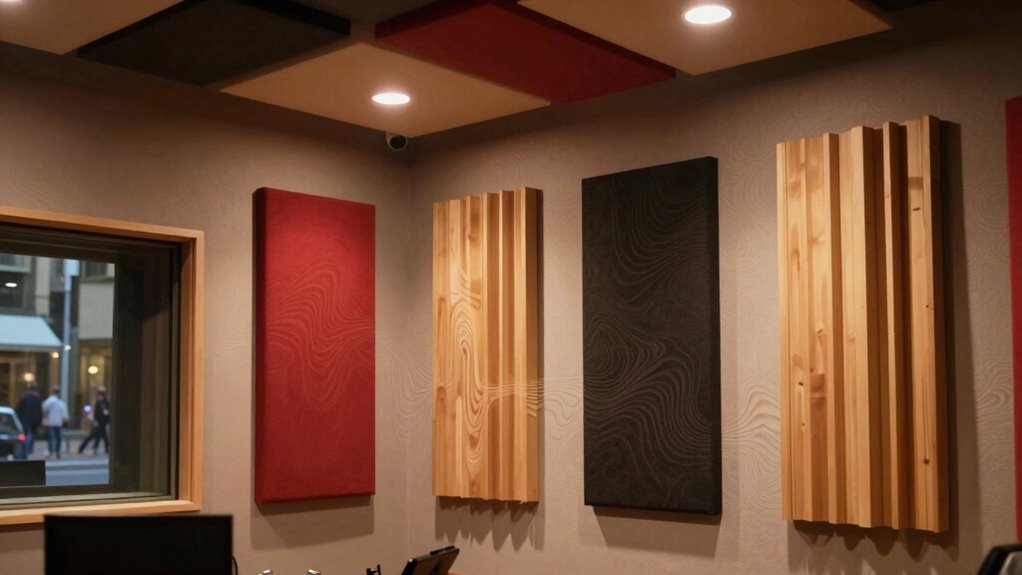
When it comes to noise control, you might wonder how well acoustic panels really perform. They can considerably reduce airborne noise, like voices and music, but their effectiveness against impact noise, such as footsteps, can vary. Understanding these differences will help you choose the right solution for your space.
Impact On Airborne Noise
While you might think of acoustic panels primarily as soundproofing solutions, their real effectiveness lies in reducing airborne noise—like voices, music, and other environmental sounds. These panels excel at absorbing airborne sound, which leads to noticeable noise reduction in your space. Here’s what you can expect:
- Enhanced clarity during conversations
- Reduced echo in large rooms
- Improved sound quality for music
- A more comfortable listening environment
- Lower stress levels due to less background noise
Effectiveness Against Impact Noise
Although many people associate acoustic panels with controlling airborne noise, their effectiveness against impact noise—like footsteps, dropped objects, or furniture movement—can be quite limited. Impact noise primarily travels through solid structures, making it harder for panels to absorb and reduce sound transmission. While these panels can help minimize some reverberation, they won’t fully block the thuds or bangs you might encounter in a busy environment.
Here’s a quick overview of their effectiveness:
| Type of Noise | Effectiveness |
|---|---|
| Airborne Noise | High |
| Impact Noise | Low |
| Noise from Footsteps | Moderate |
| Dropped Objects | Low |
| Furniture Movement | Low |
When Acoustic Panels Won’t Solve Your Noise Problems?
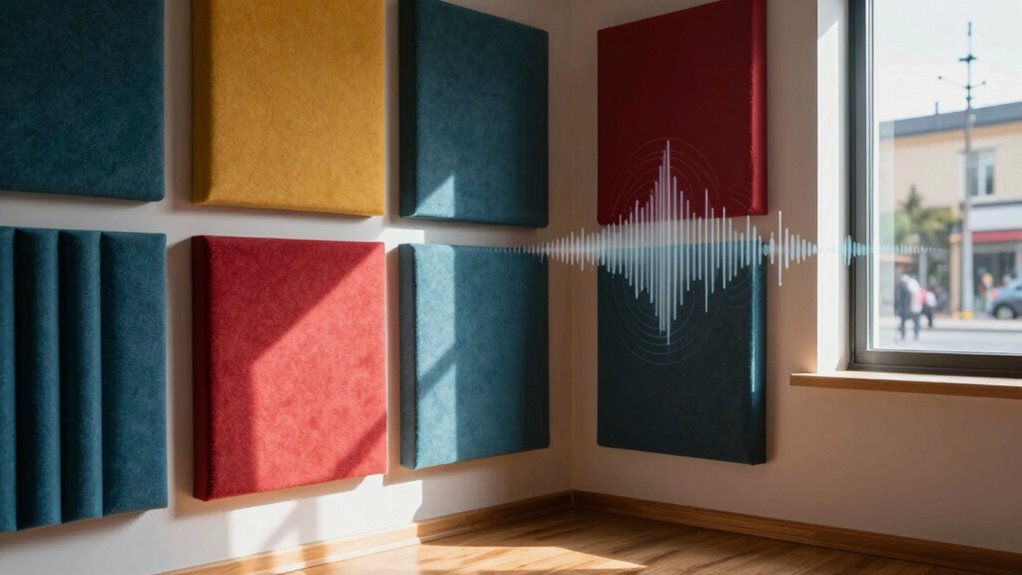
Acoustic panels can greatly improve sound quality, but they won’t solve every noise problem. If you’re dealing with structural noise issues or low-frequency sounds, you might find that panels alone aren’t enough. Let’s explore when these solutions fall short and what other options you might consider.
Structural Noise Issues
When you’re dealing with structural noise issues, simply adding acoustic panels might not cut it. These panels won’t absorb sound caused by structural vibrations that resonate through building materials. If your noise problems stem from the structure itself, you’ll need a more extensive approach.
Consider these options:
- Identify and repair cracks in walls or floors.
- Use resilient channels to decouple drywall from studs.
- Seal gaps around windows and doors.
- Upgrade to soundproof windows or doors.
- Use mass-loaded vinyl to add density to walls.
Low-Frequency Sound Problems
If you’re struggling with low-frequency sound problems, you might find that acoustic panels alone won’t do the trick. While they can help with mid to high frequencies, they often fall short when it comes to low frequency reverberation. This type of sound can linger and create a muddy audio environment, making it hard to achieve clarity. To tackle this issue, you’ll need to evaluate bass soundproofing methods. Adding bass traps, which are designed to absorb those lower frequencies, can greatly improve your sound quality. You might also want to look into structural modifications or additional sound barriers to keep those pesky low frequencies at bay. Remember, a thorough approach is key for effective sound control.
What Are the Best Practices for Installing Acoustic Panels?
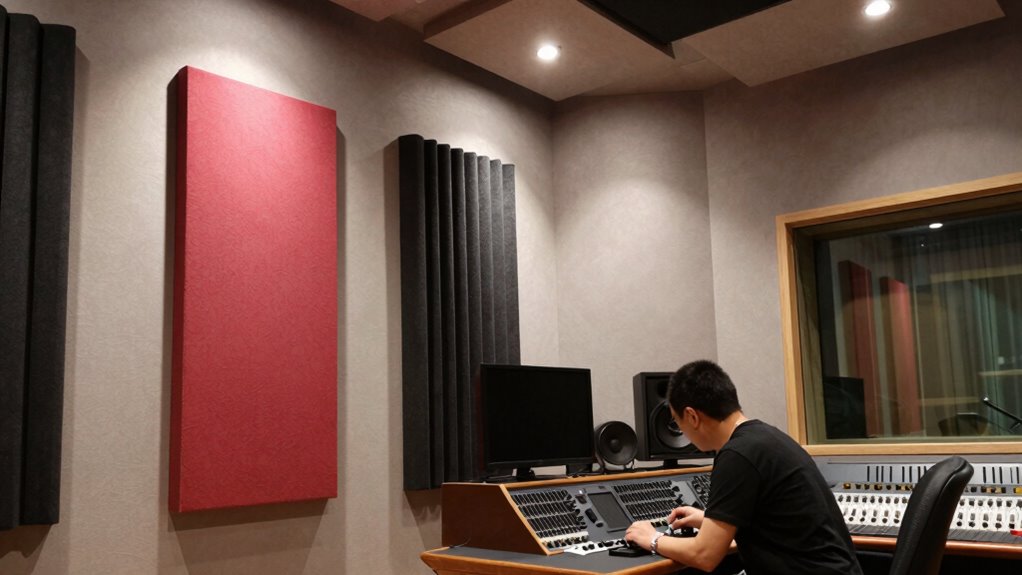
To achieve the best sound absorption, you’ll want to carefully consider where and how you install your acoustic panels. Effective installation techniques and smart panel placement can make a significant difference in your space’s acoustics. Here are some best practices to follow:
- Identify problem areas: Focus on walls and ceilings where sound reflects the most.
- Use a sound meter: Measure sound levels to find the ideal panel locations.
- Consider height: Mount panels at ear level for maximum effectiveness.
- Create a balanced layout: Distribute panels evenly to avoid uneven sound absorption.
- Test and adjust: Don’t hesitate to rearrange panels if you’re not satisfied with the results.
Choosing the Perfect Acoustic Panels for Your Space
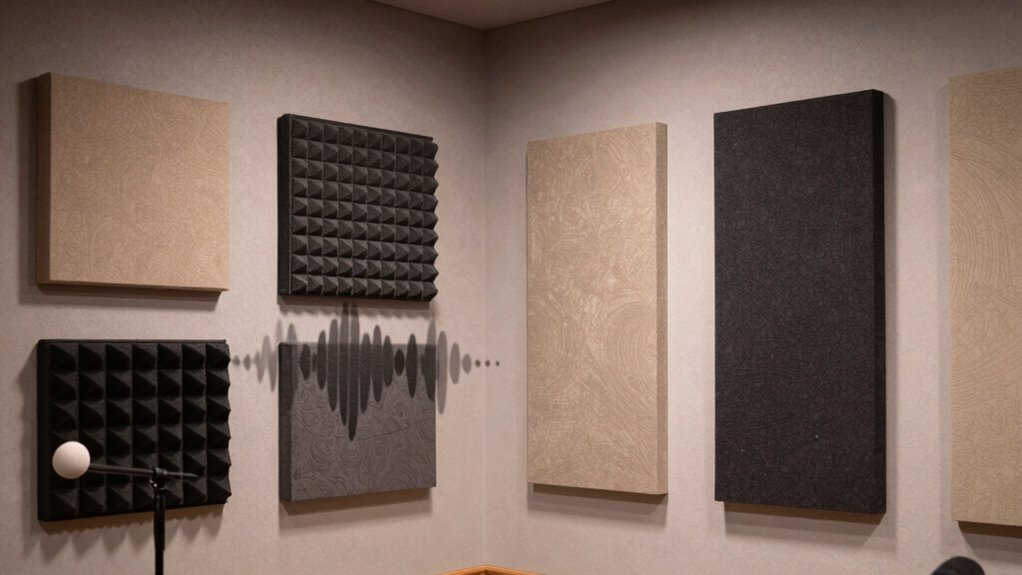
Choosing the right acoustic panels for your space can dramatically enhance sound quality, especially if you consider factors like room size, style, and intended use. First, think about the panel materials; options like foam, fabric, and wood each offer unique acoustic properties. Foam panels are lightweight and effective for absorbing sound, while wood panels add a touch of elegance.
Next, don’t overlook aesthetic considerations. You want your panels to complement your decor, so consider colors and designs that match your style. Customizable options can help you achieve a cohesive look. Finally, make sure you choose the right thickness and placement to maximize sound absorption. By balancing functionality and aesthetics, you’ll create an inviting environment that sounds as good as it looks.
Alternative Soundproofing Solutions to Acoustic Panels
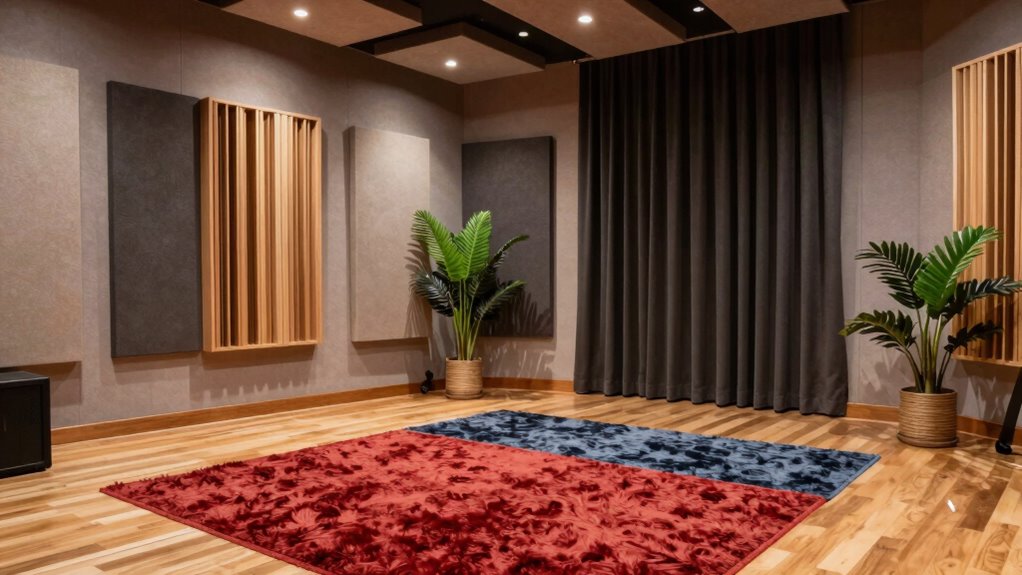
While acoustic panels are a popular choice for improving sound quality, there are several alternative soundproofing solutions worth considering. You might find these options effective in reducing noise and enhancing your space:
- Mass Loaded Vinyl: A dense, flexible material that adds mass to walls and ceilings.
- Soundproof Curtains: Heavy drapes that help absorb sound while adding style.
- Acoustic Foam: Lightweight panels that can be easily installed in various locations.
- Weatherstripping: A cost-effective way to seal gaps around doors and windows.
- Carpet and Rugs: Soft surfaces that minimize sound reflection and echo.
These soundproofing materials and noise reduction techniques can greatly improve your environment, making it more peaceful and enjoyable.
Frequently Asked Questions
Can Acoustic Panels Improve Voice Clarity in a Room?
Yes, acoustic panels can definitely improve voice clarity in a room. When you install them, they enhance voice intelligibility by absorbing sound reflections, reducing echoes that can muddle your speech. This sound absorption helps create a more focused listening environment, making it easier for you and others to understand conversations. So, if you want clearer communication in your space, investing in acoustic panels is a smart move that yields noticeable results.
Do Acoustic Panels Block Outside Noise Completely?
Acoustic panels can’t block outside noise completely, much like a sieve can’t hold water. They’re designed for noise reduction effectiveness, but they have soundproofing limitations. While they help absorb sound within a room, external noises can still seep through. If you’re looking for total sound isolation, you’ll need additional soundproofing methods. So, while they improve your space’s acoustics, don’t rely on them to keep all outside disturbances at bay.
How Long Do Acoustic Panels Last?
Acoustic panels can last several years, but their lifespan depends on durability factors like material quality and environmental conditions. To guarantee they last, keep them clean and check for any wear and tear regularly. Avoid excessive moisture and direct sunlight, as these can degrade the materials over time. By following these maintenance tips, you’ll help your panels perform effectively and maintain their appearance for longer, providing you with the sound absorption you need.
Are There Specific Colors for Acoustic Panels?
Yes, there are plenty of color options for acoustic panels! You can find them in a variety of shades, from neutral tones to vibrant hues, allowing you to match your space’s decor or enhance panel aesthetics. Whether you want something subtle or bold, you’ve got choices that fit your style. Just make sure to contemplate how the colors interact with lighting and other elements in the room to create the perfect atmosphere.
Can I Make My Own Acoustic Panels?
Absolutely, you can craft your own acoustic panels! Imagine transforming your space into a sound haven, using DIY materials like foam, fabric, and wooden frames. With a little creativity, you can design panels that not only look great but also enhance panel effectiveness. Just remember to calculate the right thickness and placement for ideal sound absorption. Immerse yourself in this project, and let your personal touch resonate throughout your room!
Conclusion
In conclusion, acoustic panels absorb sound, reduce echoes, and enhance clarity, but they won’t block all noise, drown out heavy bass, or replace structural soundproofing. They’re great for improving your listening experience, but they need to be paired with other solutions for maximum effectiveness. So, whether you’re designing a studio, a home theater, or a quiet workspace, remember: choose wisely, install carefully, and enjoy the peace that follows.
Fall Picks
fall essentials
As an affiliate, we earn on qualifying purchases.