
The key trick to making your sound feel bigger is strategically positioning reflective surfaces and diffusers around your room. Place mirrors or glossy panels behind your listening area to bounce sound and light, creating a sense of spaciousness. Avoid blocking reflective surfaces with furniture and angle speakers correctly for ideal dispersion. Small adjustments in furniture placement and surface materials can make a noticeable difference. Keep exploring for more tips to transform your space into an immersive sound environment.

Get movie nights delivered free — and shop member deals
- Fast, free delivery on millions of items
- Access to Prime Big Deal Days deals on October 6–7
- Prime Video, Amazon Music and more included
Key Takeaways
- Incorporate reflective surfaces like mirrors or glossy panels behind the listening area to bounce sound and light for a spacious feel.
- Arrange furniture to encourage sound reflection and avoid blocking reflective surfaces, enhancing sound diffusion.
- Use diffusive elements such as textured panels or household objects with uneven surfaces to scatter sound waves and reduce echoes.
- Position speakers at optimal angles and distances to ensure balanced sound dispersion and immersive soundstage.
- Balance acoustic treatments with reflective surfaces to prevent muddiness and maximize perceived room size.
Why Your Room Setup Is Key to Bigger, Immersive Sound
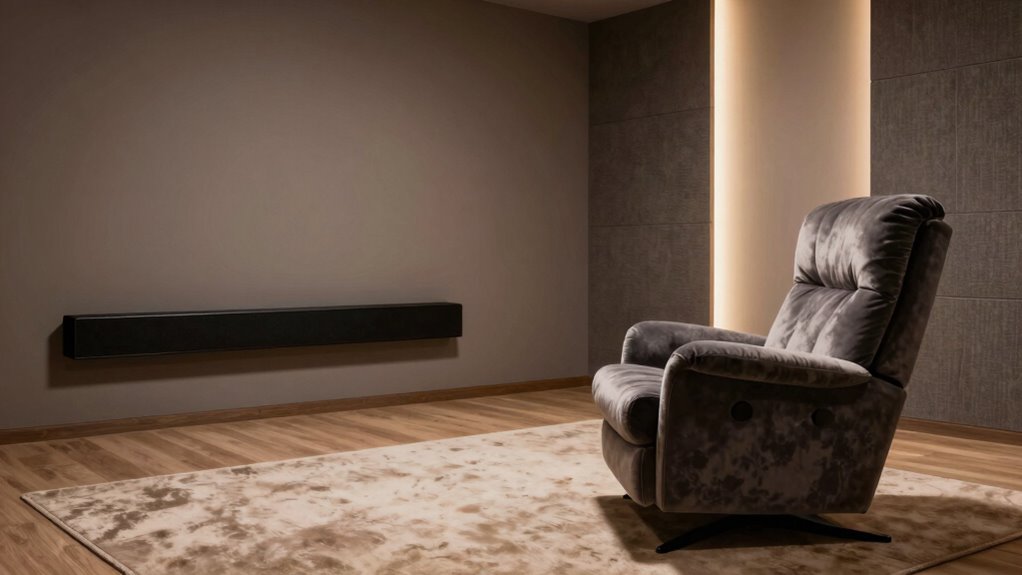
Your room setup plays a crucial role in delivering bigger, more immersive sound. Effective wall treatments, like acoustic panels or diffusers, help manage sound reflections, preventing echoes that can muddy audio clarity. They shape how sound waves travel across your space, making the audio feel fuller and more enveloping. Electronic enhancements, such as equalizers or room correction software, fine-tune your system’s output, compensating for room imperfections. When you combine strategic wall treatments with these electronic tools, you optimize your listening environment, ensuring sound reaches you with clarity and depth. Proper room setup isn’t just about placement; it’s about creating a balanced acoustic landscape that transforms your space into an immersive audio haven. Your choices here directly impact the size and quality of your soundstage. Implementing effective soundproofing techniques can further enhance your acoustic environment, reducing external noise interference for a cleaner listening experience. Additionally, understanding how room acoustics influence sound can help you make more informed decisions about your setup, leading to a more spacious sound experience. Recognizing how sound reflections interact within your space allows you to better tailor your acoustic treatments for optimal sound quality, creating a more immersive listening environment.
How to Make Your Room Reflect Sound and Expand Your Audio
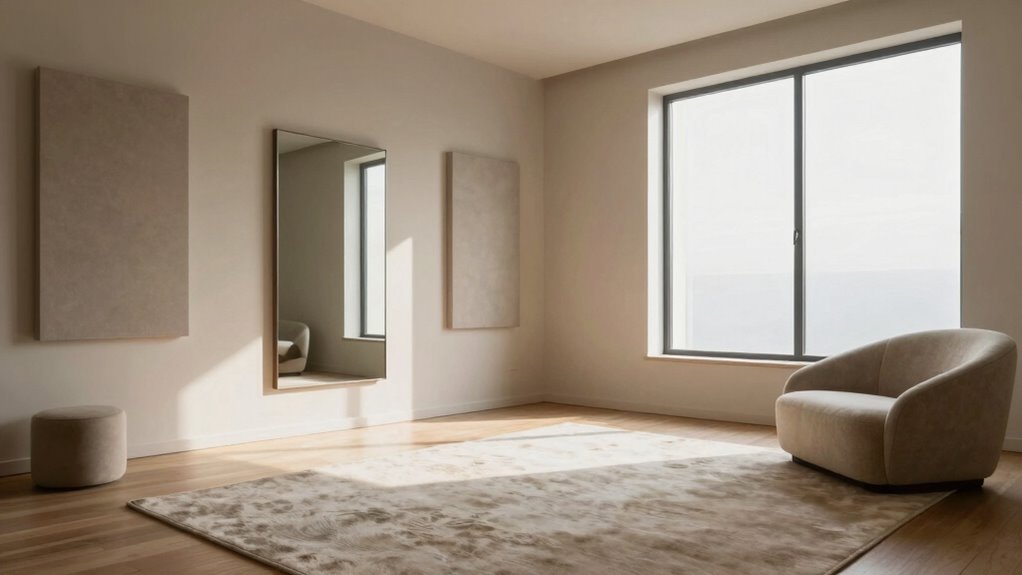
To make your room reflect sound and enhance your audio experience, start by using reflective surfaces like walls or ceilings strategically. Adjust your furniture placement to promote even sound distribution, and add diffusing materials to prevent harsh echoes. These simple tweaks can markedly expand and enrich your soundstage. Additionally, incorporating properly mounted speakers can optimize sound reflection and improve overall audio quality. Using acoustic panels can further control sound reflections and create a more immersive listening environment. Incorporating room acoustic treatments can also help balance sound reflections and reduce unwanted reverberation. Understanding sound reflection principles can guide you in selecting the best materials and layout for your space.
Use Reflective Surfaces Effectively
Reflective surfaces play a crucial role in enhancing your room’s acoustics by bouncing sound waves around the space. To make the most of this, consider your wall color; lighter shades tend to reflect more sound, helping create a sense of openness. You can also utilize the ceiling height to your advantage—higher ceilings naturally promote better sound diffusion and reduce cluttered reflections. Strategically placing reflective materials like glass, polished wood, or metallic surfaces can amplify sound energy, making your room feel bigger and more immersive. Just be careful to avoid excessive reflections that could lead to echo or muddiness. Balance is key: use these surfaces thoughtfully to expand your audio environment without overwhelming it.
Adjust Room Furniture Placement
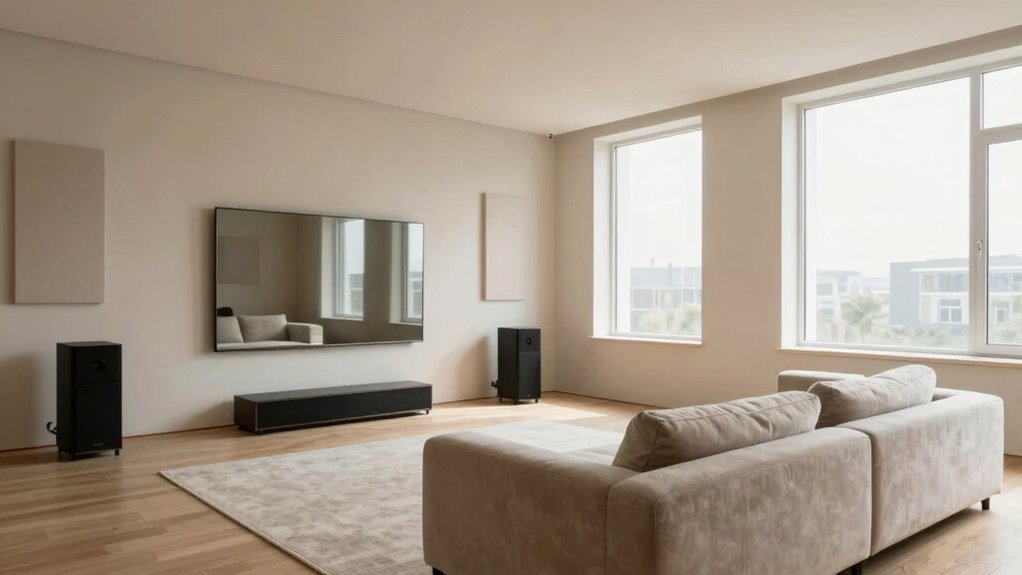
Strategically placing your furniture can considerably influence how sound waves travel and reflect within a room. Start by arranging your seating and storage to avoid blocking speakers or sound paths, which helps maintain clear audio during music streaming. Keep larger pieces like sofas and bookshelves away from walls to prevent sound absorption and promote better reflection. When setting up your speakers, perform proper speaker calibration, adjusting their position for ideal sound dispersion. Elevate or angle speakers to match your listening height, ensuring sound reaches your ears directly. Experiment with furniture placement to find a balance that enhances sound reflection without creating dead spots. Additionally, using reflective surfaces like mirrors or glass can help bounce sound waves and create a more immersive audio environment. This simple adjustment can make your room feel more expansive and immersive, amplifying the richness of your audio experience.
Incorporate Sound Diffusing Materials
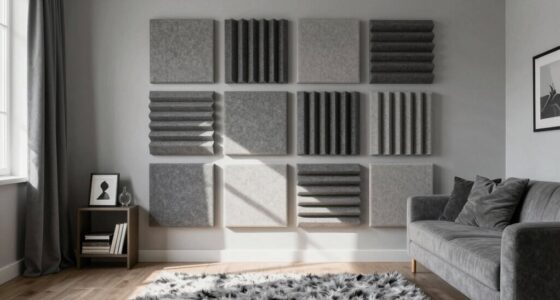
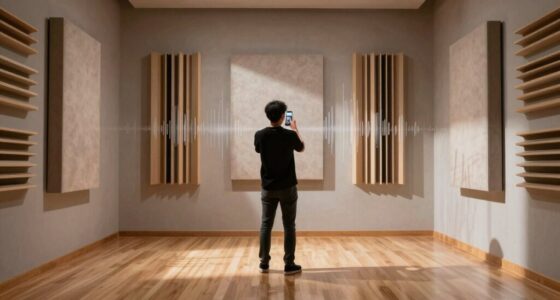
Incorporating sound diffusing materials into your room can substantially improve sound quality by reducing harsh echoes and creating a more spacious feel. Use diffusion panels strategically placed on walls to scatter sound waves evenly throughout the space. These panels break up sound reflections, preventing sharp echoes and enhancing clarity. Sound scattering from diffusion panels helps distribute sound energy more uniformly, making the room feel larger and more immersive. Position diffusion panels at key reflection points, such as behind your listening area or on side walls. This setup minimizes sound concentration in specific spots, resulting in a balanced, natural acoustic environment. By adding these diffusing elements, you’ll enjoy richer sound and a room that feels more open without sacrificing audio quality.
Where to Position Your Speakers for the Best Soundstage

To achieve the best soundstage, you should position your speakers so they form an equilateral triangle with your listening area. This speaker placement guarantees balanced sound distribution and clarity. Keep your speakers roughly the same distance apart as your listening position, aiming for about 6 to 8 feet apart, depending on your room size. Place them slightly away from the walls to reduce reflections that can muddy the sound. Angle the speakers inward toward your ears for better soundstage enhancement. Avoid crossing the speakers too close together or too far apart. Proper positioning creates a focused, immersive soundstage that feels wider and more natural. Using proper tools and safety tips during setup can help ensure you achieve optimal positioning without risk. Experiment with slight adjustments to find the perfect balance for your space.
Choosing Furniture and Decor That Help Your Sound Bounce Around
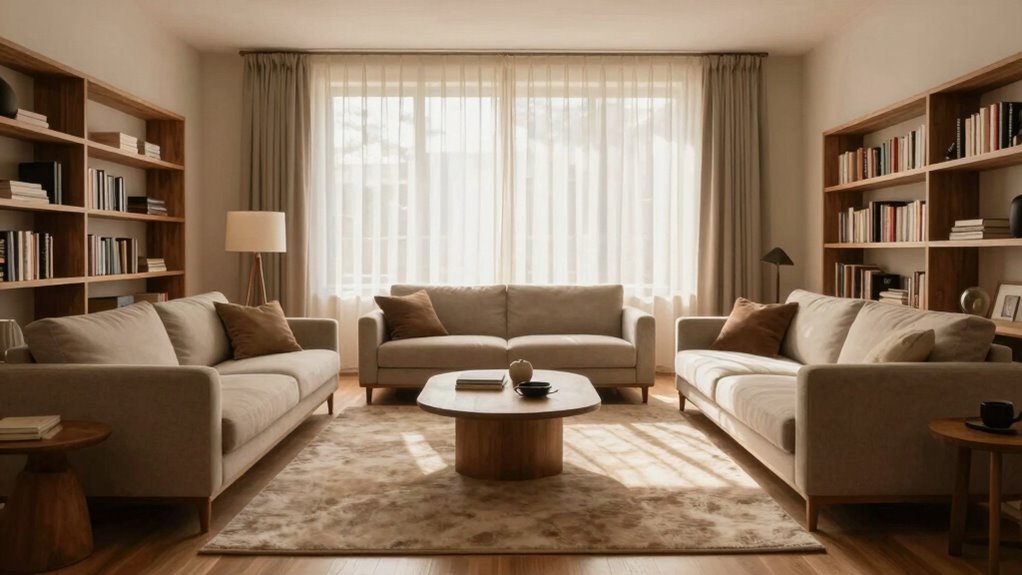
Choosing the right furniture and decor can substantially improve your sound quality by encouraging sound waves to bounce around your room. Incorporate acoustic panels strategically to reflect sound rather than absorb it, creating a lively environment that enhances the sense of space. Avoid overly plush furniture that absorbs too much sound, dulling the overall experience. Instead, balance soft furnishings with reflective surfaces like hardwood or glass to increase sound bounce. Keep decor minimal but purposeful, placing items where they can redirect sound rather than trap it. By carefully selecting furniture and decor that promote sound absorption in moderation and reflection where needed, you’ll create a dynamic listening space that feels larger and more immersive. Understanding sound reflection techniques can further help you optimize your room’s acoustics for the best auditory experience. Additionally, using room layout strategies can help distribute sound evenly across the space, preventing dead spots and enhancing overall sound quality. Incorporating reflective surfaces thoughtfully can significantly amplify this effect and improve room acoustics even further.
How Room Size and Shape Influence Your Listening Experience
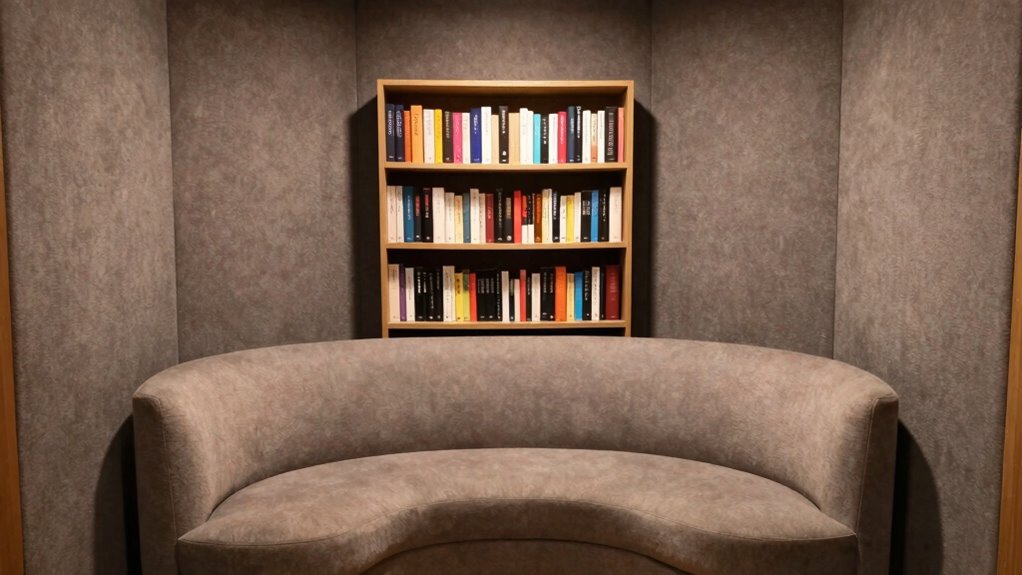
The size and shape of your room play a significant role in how sound behaves within the space. Larger rooms with high ceilings tend to create a more spacious, immersive sound, but can also cause echoes if not properly treated. Wall treatments help absorb or diffuse sound waves, preventing harsh reflections that diminish clarity. Conversely, rooms with low ceilings may feel cramped, making sound seem closer and less expansive. The shape of your room influences how sound waves travel; irregular shapes can break up reflections, while rectangular rooms may produce standing waves that color the sound. Adjusting wall treatments and considering ceiling height allows you to control reflections and optimize the overall listening experience, making your sound feel bigger and more natural. Room acoustics play a crucial role in how sound waves interact within your space, affecting the perceived size and clarity of the sound. Additionally, incorporating natural light and wellness touches can create an environment that enhances your overall audio and sensory experience. Understanding how room dimensions impact sound behavior can help you make informed decisions when designing or modifying your space, as proper layout can significantly improve sound quality. For example, using sound-absorbing materials strategically can greatly enhance clarity by reducing unwanted echoes.
Simple DIY Tricks to Boost Room Reflection and Atmosphere
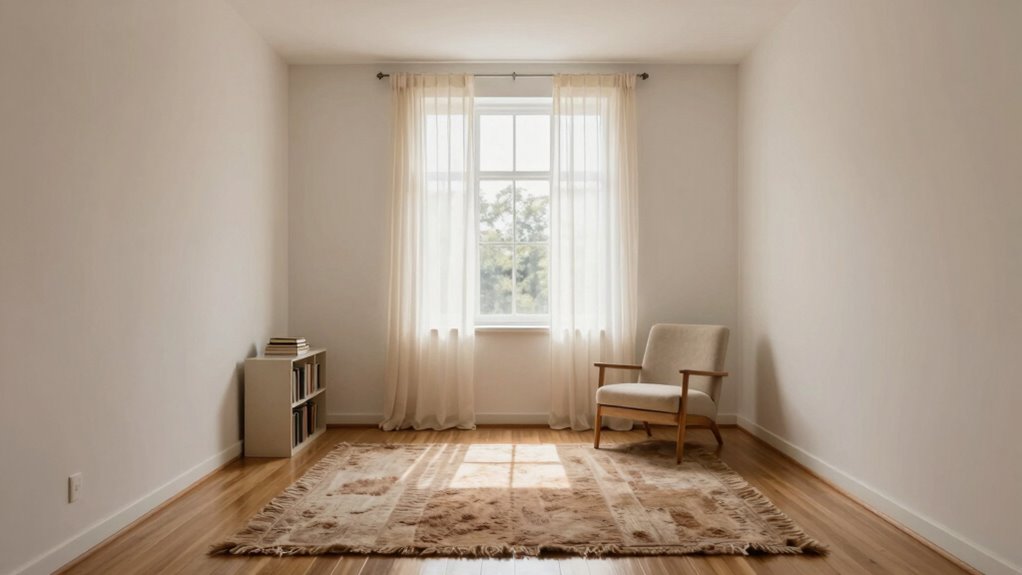
You can easily enhance your room’s reflection and atmosphere with simple DIY tricks. Try adding reflective surfaces like mirrors or glossy panels to bounce sound and light around the space. Adjust your furniture placement and incorporate diffusive elements to create a richer, more immersive environment.
Use Reflective Surfaces
Reflective surfaces are a simple yet effective way to enhance your room’s ambiance by amplifying natural and artificial light. Incorporate wall treatments like glossy paint or mirrors to bounce sound waves and improve reflection. Consider your ceiling design—adding a reflective surface or light-colored paint can help distribute sound evenly across the space. Using these elements, you’ll create a more lively environment where sound feels fuller and more immersive. To optimize sound quality, understanding the importance of room acoustics can guide your placement choices. Avoid cluttering with too many reflective objects; instead, focus on strategic placements that maximize light and sound reflection. These DIY tweaks are easy to implement and cost-effective, helping you achieve a richer, more vibrant atmosphere without major renovations. With thoughtful wall treatments and ceiling design, your room will sound bigger and feel more inviting.
Optimize Furniture Placement
Strategic furniture placement can considerably enhance your room’s reflection and overall atmosphere. By carefully arranging your furniture, you optimize the room layout to encourage sound reflection and create a sense of spaciousness. Avoid blocking natural reflective surfaces like walls or windows with large pieces of furniture; instead, position seating and other items to direct sound toward reflective surfaces. Keep your furniture arrangement open, allowing sound waves to bounce freely around the space. Placing a sofa or chairs away from walls can also improve sound distribution. Remember, the goal is to foster an even reflection pattern that amplifies the room’s size and atmosphere. Thoughtful furniture placement transforms your space into a more lively, immersive environment without any costly upgrades.
Incorporate Diffusive Elements
Adding diffusive elements to your room can considerably enhance sound reflection and create a richer atmosphere. Diffusive surfaces, such as crafted wooden panels or irregularly shaped objects, help scatter sound waves evenly around the space. This sound scattering reduces harsh echoes and dead spots, making your audio feel more natural and immersive. You don’t need fancy equipment—simple DIY solutions like attaching textured panels or repurposing household items with uneven surfaces can work wonders. By incorporating these diffusive elements, you’ll break up standing waves and improve the overall ambiance. The result is a more balanced sound environment where music and dialogue feel fuller and more engaging. Even small adjustments with diffusive surfaces can notably boost your room’s acoustic richness.
Common Mistakes That Limit Your Sound Immersion: And How to Fix Them
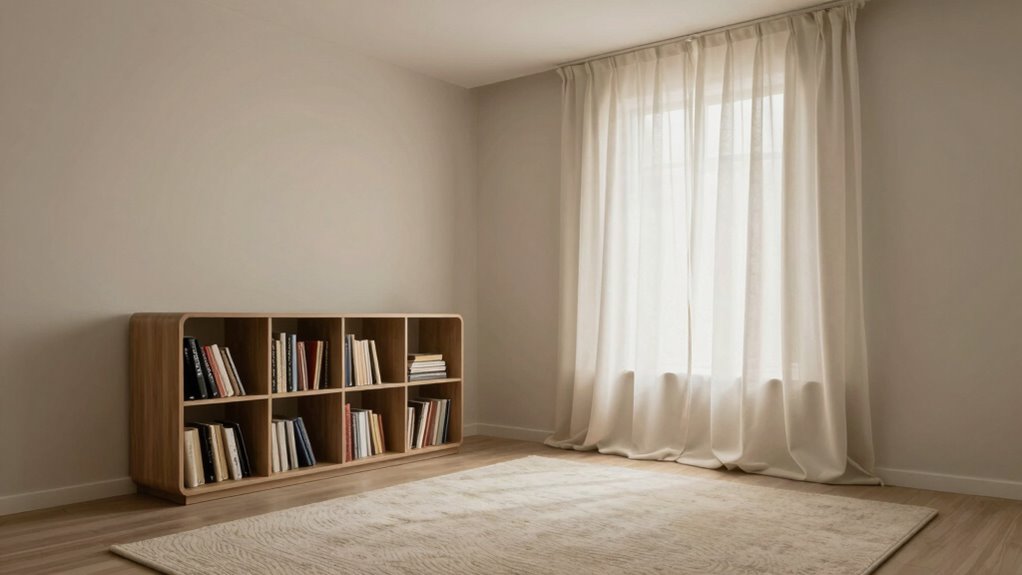
Many common mistakes can considerably reduce your sound immersion, making your setup feel flat or disconnected. One major error is neglecting proper wall treatments; untreated walls reflect sound unpredictably, dulling clarity and depth. Adding wall treatments like absorptive panels or diffusers can significantly improve acoustics. Additionally, overlooking soundproofing techniques allows external noise to intrude and internal sound to escape, disrupting your listening experience. Skipping these fixes creates a disconnected sound environment. Another mistake is using mismatched or poorly placed furniture, which can cause unwanted resonances or dead spots. To fix this, focus on strategic placement of wall treatments and soundproofing measures. These simple adjustments help create a more consistent, immersive soundscape, making your room feel larger and more alive.
How to Test and Fine-Tune Your Room Setup for Better Sound
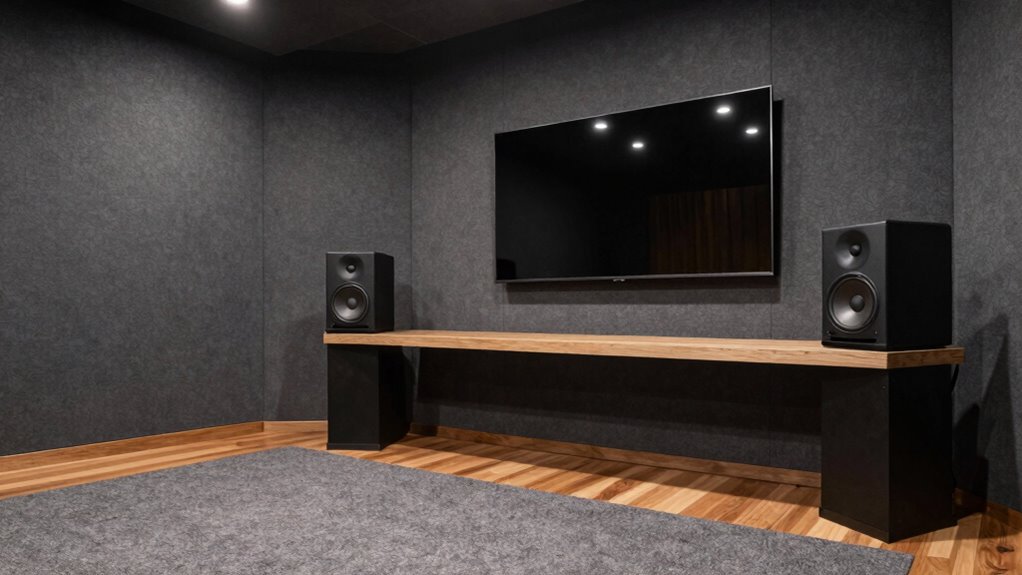
To achieve ideal sound, you need to actively test and fine-tune your room setup. Start with speaker calibration by adjusting your speakers’ positions and levels to ensure balanced sound. Use test tones or calibration tools to identify any uneven frequencies or volume issues. Next, evaluate your room’s acoustics by listening for echoes or dead spots. Implement soundproofing techniques, such as adding rugs, curtains, or acoustic panels, to minimize unwanted reflections and external noise. Make small adjustments and repeat the testing process until the sound feels natural and immersive. Regularly reassess your setup as you make changes, guaranteeing each tweak improves clarity and spaciousness. Fine-tuning your environment is key to transforming your listening experience into a richer, more enveloping soundscape. Additionally, understanding and managing soundproofing techniques can significantly enhance your audio quality by reducing external disturbances and internal reflections. Incorporating room acoustic treatment strategies can further optimize the sound environment for a more balanced listening experience.
Extra Tips and Tools to Improve Your Room’s Acoustics
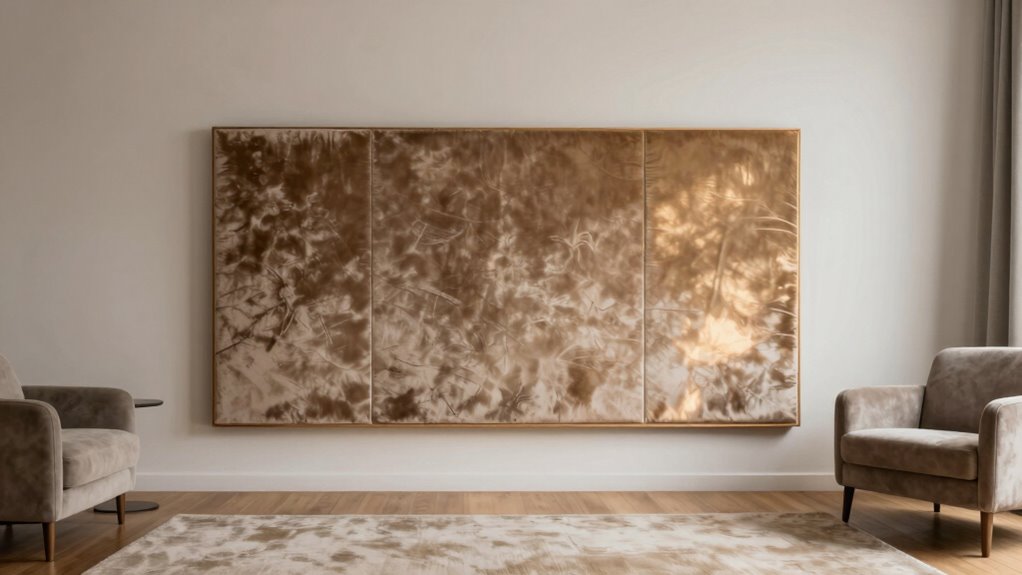
Consistently improving your room’s acoustics requires leveraging effective tips and tools designed to optimize sound quality. One key approach is using sound absorption materials like foam panels or diffusers to reduce echo and unwanted reflections. Acoustic treatment, such as bass traps and wall-mounted panels, helps control reverberation and creates a clearer sound environment. You can also experiment with placement of these materials to target specific problem areas in your room. Additionally, consider adding rugs, curtains, or upholstered furniture to further absorb sound. Using a room analyzer app or a simple microphone setup allows you to measure your room’s acoustics and identify where improvements are needed. These tips and tools enhance sound absorption and ensure your space sounds as big and immersive as possible.
Frequently Asked Questions
Can I Improve Sound Without Professional Acoustic Treatment?
Yes, you can improve sound without professional acoustic treatment using DIY acoustic hacks and budget-friendly solutions. Start by adding soft furnishings like rugs, curtains, and cushions to absorb echo. Rearrange furniture to reduce sound reflection and block unwanted noise. Use DIY panels made from inexpensive materials like foam or blankets. These simple steps can markedly enhance your room’s acoustics without breaking the bank, making your space sound better and more enjoyable.
How Often Should I Re-Evaluate My Room Setup?
You should re-evaluate your room setup every few months or whenever you notice changes in sound quality. Regularly check your room layout and furniture placement, especially after rearranging or adding new furniture. Small adjustments can make a big difference in sound feel. Keep an eye on how your space influences acoustics, and don’t hesitate to tweak your setup to maintain ideal sound performance.
Are There Specific Materials That Enhance Sound Reflection?
Yes, certain materials can enhance sound reflection. You should consider adding diffusion panels, which scatter sound waves evenly, creating a more spacious feel. Reflective surfaces like glass, polished wood, or metal also boost sound reflection, making your space feel bigger and more lively. Be mindful, though, not to overdo it, as too many reflective surfaces can cause harsh echoes. Use a balance of diffusion panels and reflective surfaces for ideal sound quality.
Does Room Color or Lighting Affect Sound Quality?
Room color and lighting do influence sound quality, as color influence can subtly affect how sound waves reflect and absorb, while lighting impact can alter your perception of space and acoustics. Bright, neutral colors tend to enhance clarity, whereas darker shades may absorb sound, making the room feel more intimate. Proper lighting can improve your focus and perception of sound, creating a more immersive experience. Adjust these elements to tailor your room’s acoustics to your preferences.
Can Small Adjustments Make a Significant Difference in Sound Size?
They say, “Small hinges swing big doors.” Small adjustments in room dimension or speaker placement techniques can make a noticeable difference in sound size. Moving your speakers slightly or tweaking room angles enhances sound projection and bass response. Even minor changes optimize acoustics, creating a fuller, richer sound experience. Don’t overlook these subtle tweaks—they can dramatically transform how your space feels and sounds, making your music or movies more immersive.
Conclusion
Mastering your room setup can dramatically deepen your soundscape and deliver a more immersive experience. By balancing your space, bouncing sound wisely, and avoiding common mistakes, you’ll create a enthralling, crisp concert at home. With simple tweaks and thoughtful tweaks, you transform your room into a sound sanctuary. So, step up, set strategically, and sound sensational — because your space, your sound, and your satisfaction all depend on your setup!
Fall Picks
fall essentials
As an affiliate, we earn on qualifying purchases.