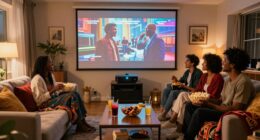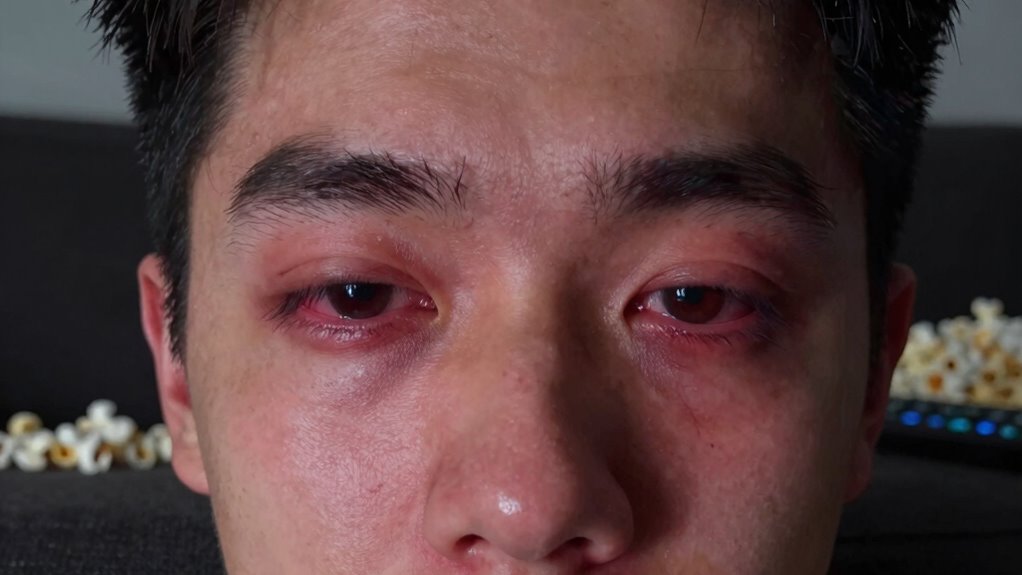
After movie nights, eye strain often happens because you overlook simple fixes like adjusting screen brightness, reducing glare, and blinking more. When screens are too bright or shiny surfaces cause reflections, your eye muscles work harder, leading to fatigue and dryness. Taking short breaks, following the 20-20-20 rule, and optimizing your environment can make a big difference. Keep going to discover easy tips that can help your eyes feel better fast.
Key Takeaways
- Adjust your screen brightness to match ambient lighting for reduced eye effort.
- Follow the 20-20-20 rule: look 20 feet away for 20 seconds every 20 minutes.
- Use anti-glare filters or glasses to minimize reflections and visual stress.
- Take regular breaks and perform gentle eye massages to relax eye muscles.
- Keep your viewing environment well-lit with soft, even lighting to prevent additional strain.

Tubicen Wall Sconce Indoor Home Theater Lighting Hardwired Bright LED Up and Down Dimmable Wall Sconces Black Modern Hallway Stairway Wall Lights for Living Room 10W 3000K Square
【Bright Wall Sconces with Wide Area Illumination】Tubicen Square Wall Sconce (4.5"L x 4.5"W x 4.7"H) features a precision-engineered...
As an affiliate, we earn on qualifying purchases.
Why Do Your Eyes Feel Tired After Watching Movies?
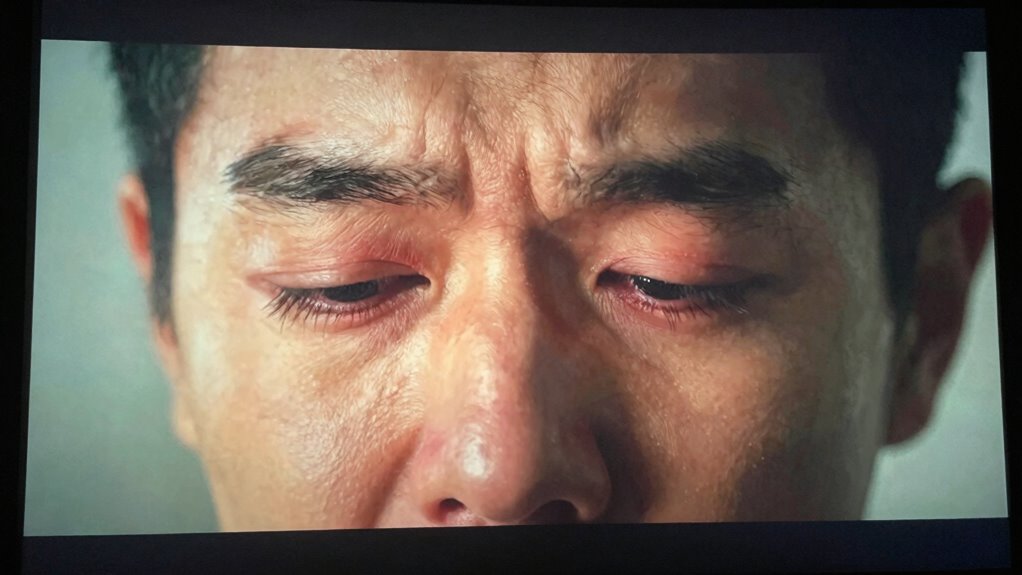
After hours of focusing on a screen, your eyes can feel tired and strained. This is because prolonged movie watching causes eye fatigue, which results from intense visual stress. When you stare at a screen, your eyes work harder to focus, especially in low or flickering lighting. Your eye muscles strain to maintain clarity, leading to discomfort and tiredness. Additionally, the constant concentration on moving images can reduce blinking, causing dryness and further visual stress. These factors combine to make your eyes feel heavy, sore, and exhausted after a movie night. Recognizing that eye fatigue is a natural response helps you understand why your eyes feel so drained and sets the stage for finding effective ways to prevent or reduce this discomfort. Proper screen calibration and taking regular breaks can significantly lessen eye strain during extended viewing sessions. Understanding how visual stress impacts your eyes can empower you to implement simple yet effective remedies to ease discomfort. Being aware of eye muscle fatigue can also help you adopt better habits to protect your vision during long viewing periods. Incorporating eye relaxation exercises can further support your eye health and reduce fatigue over time. Additionally, maintaining a comfortable viewing environment and ensuring good lighting conditions can help minimize unnecessary strain on your eyes.

Aipsun Black Modern LED Wall Sconces 4 Packs Indoor Wall Lights Hardwired Up and Down Wall Mount Light for Living Room Bedroom Hallway Corridor Conservatory Warm White 3000K(with G9 Bulbs)
【Soft and Homely】The black wall sconce supplied with four Energy-saving and Non-flickering 9W LED G9 bulbs (3000K warm...
As an affiliate, we earn on qualifying purchases.
How Does Eye Dryness Cause Post-Movie Discomfort?
Have you ever noticed your eyes feeling gritty or sore after a long movie session? This discomfort often stems from decreased tear film stability. When you watch a movie, your blink rate drops, causing tears to evaporate faster. This reduces the natural lubrication your eyes depend on, leading to dryness. Without enough moisture, your eyes become irritated and sensitive, making everything feel uncomfortable. Using lubricating drops can help replenish moisture and restore tear film stability, easing post-movie discomfort. These drops form a protective layer, reducing dryness and irritation. Keeping your eyes well-lubricated not only enhances comfort but also prevents further strain caused by dryness. Additionally, staying hydrated and considering the use of artificial tears can support tear production and maintain eye moisture. Addressing tear film stability is a simple, effective way to prevent that gritty, sore feeling after your movie night. Proper hydration and ocular surface health are crucial for maintaining overall eye comfort. Maintaining good air quality can also reduce irritants that contribute to eye dryness and discomfort. Recognizing the importance of tear film composition can further help in choosing the right treatments for dry eyes.

YFMYY Modern Wall Light Simple Creative Wall Sconces Bedroom Aisle Living Room Wall Lamp Holder E12 Socket Art Deco Lighting Fixture Black (Bulb Not Included) (Pack of 2)
★ E12 Socket: The light can be installed the E12 light source, such as energy-saving lamp, LED bulb...
As an affiliate, we earn on qualifying purchases.
Can Screen Brightness and Glare Worsen Eye Strain?
Bright screens and excessive glare can substantially increase eye strain during long viewing sessions. When your screen is too bright compared to ambient lighting, your eyes have to work harder to focus, causing fatigue. Screen glare from reflections or shiny surfaces adds to this stress by forcing your eyes to constantly adjust. Poor ambient lighting, like a dim room with a bright screen, worsens the problem by creating high contrast that strains your eyes further. To reduce eye strain, keep your screen at a comfortable brightness level that matches your environment. Use matte screens or anti-glare filters if necessary. Adjusting ambient lighting to be soft and even minimizes glare, helping your eyes relax and reducing discomfort after movie nights. Additionally, being aware of blue light exposure can help prevent further eye fatigue and improve overall eye health. Ensuring proper screen distance also plays a crucial role in minimizing eye strain and maintaining visual comfort during extended viewing. Maintaining a healthy visual ergonomics setup can further alleviate eye discomfort and support long-term eye wellness.

Tubicen Wall Sconces Dimmable Up and Down Indoor Theater Sconce Lights Black and Gold Hardwired Modern Decorative Wall Lights for Living Room Bedroom Hallway Stairway 15.7" H
【Mid-Century Modern Art Deco Wall Sconces】Elevate your space with Tubicen Xiphos Series wall sconce, featuring up and down...
As an affiliate, we earn on qualifying purchases.
Easy Ways to Prevent Eye Strain During and After Movies
To prevent eye strain during and after movies, you can take simple steps to protect your eyes and reduce discomfort. Limit blue light exposure by using blue light filters or glasses, especially during long viewing sessions. Take regular breaks to relax your eye muscles and prevent fatigue. Adjust your viewing environment to reduce glare and maintain comfortable lighting. Staying mindful of eye muscle fatigue helps you recognize early signs of strain. Incorporating sustainable textile care practices such as choosing eco-friendly screen protectors and wearable blue light glasses made from sustainable materials can also support your eye health and environmental goals. Being aware of media literacy can help you better understand the content you’re viewing and minimize unnecessary visual stress. Additionally, practicing risk management strategies like monitoring your viewing habits and setting time limits can further reduce the likelihood of eye strain. Moreover, selecting ergonomic viewing setups that promote proper posture can greatly lessen physical discomfort associated with extended screen time. Paying attention to visual ergonomics can further enhance your viewing comfort and reduce strain.
How to Relieve Eye Discomfort After Watching?
To ease eye discomfort after watching, try doing simple eye exercises to relax your muscles. Follow the 20-20-20 rule by looking at something 20 feet away every 20 minutes to reduce strain. Also, adjust your screen brightness to match your environment for a more comfortable viewing experience. Incorporating sound therapy techniques can also promote relaxation and help your eyes recover more quickly after screen time. Additionally, using eco-friendly recycled materials in gardening can create a calming outdoor space that encourages relaxation and reduces overall stress. Exploring accessibility features on your device can further optimize your viewing experience and reduce eye fatigue. Incorporating proper lighting conditions in your room can also significantly minimize eye strain during and after viewing sessions.
Practice Eye Exercises
If your eyes feel tired after a movie night, practicing simple eye exercises can provide quick relief. Start with pencil sketches: hold a pencil at arm’s length and slowly bring it closer to your nose, focusing on the tip as it moves. This helps relax your focusing muscles. Additionally, try eye massages by gently pressing your fingertips around your closed eyelids and temples, stimulating blood flow and easing tension. Blink rapidly a few times to refresh your eyes and reduce dryness. These exercises keep your eye muscles flexible and promote relaxation. Incorporating regular eye massages and focusing exercises into your routine can help prevent discomfort after long viewing sessions. Keep practicing, and your eyes will thank you for the relief.
Follow the 20-20-20 Rule
After finishing your movie night, giving your eyes a break can make a noticeable difference. The 20-20-20 rule is simple: every 20 minutes, look at something 20 feet away for at least 20 seconds. This encourages eye relaxation and reduces strain from prolonged screen use. To visualize, consider this table:
| Close-up view | Distant view |
|---|---|
| Focused on the screen | Gazing into the distance |
| Intense eye effort | Relaxed eye muscles |
| Eye muscles tense | Eye muscles loosen |
| Short break, less fatigue | Restores comfort |
| Screen ergonomics optimized | Better eye health |
Adjust Screen Brightness
Adjusting your screen brightness can considerably ease eye discomfort after movie night. Proper screen calibration ensures your monitor isn’t too bright or dim, reducing strain. Start by lowering your screen brightness to match the ambient lighting in your room. If the screen is much brighter than your surroundings, your eyes have to work harder, leading to discomfort. Aim for a comfortable balance where the display isn’t glaring but still clear. Pay attention to ambient lighting; dim or uneven lighting can worsen eye strain. Using automatic brightness adjustment or manually tweaking your settings helps create a more eye-friendly viewing experience. This simple step aligns your screen brightness with your environment, decreasing glare and reducing the effort your eyes need to focus, making post-movie fatigue much more manageable.
When Should You See a Doctor for Persistent Eye Problems?
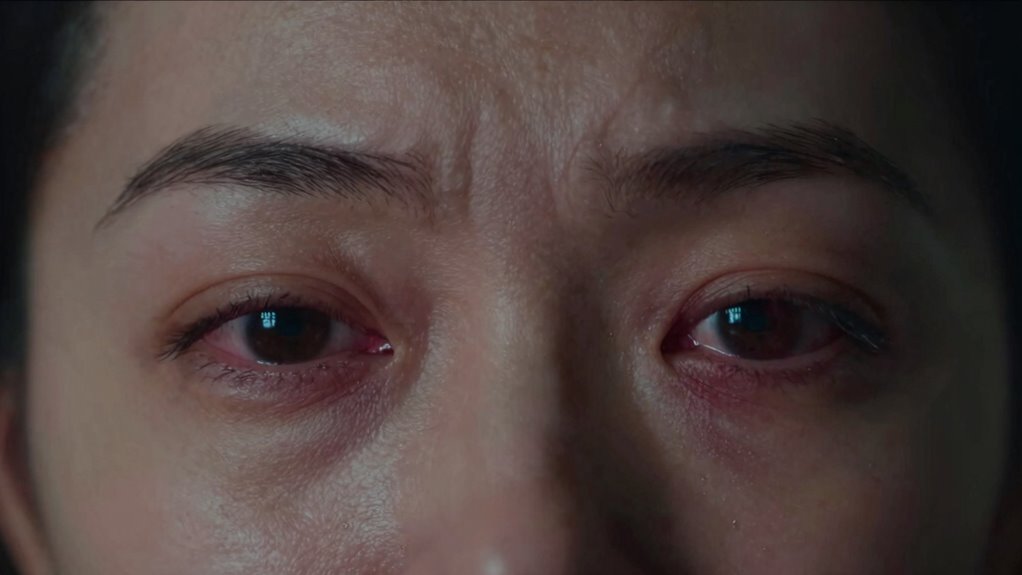
Persistent eye problems warrant prompt medical attention because they can indicate underlying conditions that require professional diagnosis and treatment. If you experience ongoing symptoms like blurred vision, eye pain, or sudden visual changes, it’s time to see a doctor. Age-related issues, such as presbyopia or cataracts, can cause persistent discomfort that needs evaluation. Also, be alert to symptoms requiring consultation, including flashing lights, floaters, or redness accompanied by pain. If your symptoms last more than a few days or worsen despite adjusting routines, don’t delay seeking professional help. Early diagnosis can prevent complications and preserve your vision. Trust your instincts—persistent eye problems shouldn’t be ignored, especially if they interfere with your daily activities or cause ongoing discomfort.
Frequently Asked Questions
What Are the Long-Term Effects of Frequent Eye Strain From Movies?
If you frequently experience eye strain from movies, you might face long-term vision deterioration and chronic discomfort. Over time, persistent strain can weaken your eye muscles, causing blurred vision or headaches. It’s important to take regular breaks, adjust your screen settings, and practice good eye habits. Ignoring these signs could lead to more serious eye issues, so stay proactive to protect your vision and reduce ongoing discomfort.
Can Eye Exercises Help Reduce Post-Movie Eye Fatigue?
Sure, eye exercises and visual relaxation can help reduce post-movie eye fatigue—who knew? Just like giving your muscles a break, your eyes benefit from simple routines like blinking more or focusing on distant objects. It’s not magic, but it’s close. So next time your eyes scream after a film marathon, try these easy eye exercises. Your tired eyes will thank you, and you might even enjoy the next blockbuster more.
Are Contact Lenses More Likely to Cause Eye Strain After Movies?
Yes, contact lenses can increase your likelihood of experiencing eye strain after movies. Contact lens discomfort, especially if your lenses are dry or ill-fitting, worsens with prolonged screen time or intense visual activities like watching movies. To reduce strain, take regular breaks, follow good screen time habits, and guarantee your lenses are properly fitted and hydrated. This helps prevent dryness and fatigue, keeping your eyes comfortable during and after movie nights.
How Does Blue Light From Screens Impact Eye Recovery After Viewing?
Blue light from screens can hinder your eye recovery after viewing, as it causes digital eye strain and fatigue. When you’re exposed to blue light, your eyes work harder to focus, leading to discomfort and delayed recovery. To improve eye recovery, reduce blue light exposure by using blue light filters, taking breaks, and practicing the 20-20-20 rule. These steps help your eyes relax and recover more quickly.
Is There a Specific Diet That Can Help Improve Eye Health Post-Movie?
Think of your eyes as delicate gardens needing the right nutrients to flourish. Incorporate nutrient-rich foods like carrots, spinach, and fish into your diet to boost eye health. Stay hydrated with water and herbal teas, which act like water for your plants, helping recovery. Combining these hydration strategies with a balanced diet can speed up your eye’s healing process and keep your vision sharp after a movie night.
Conclusion
Next time you settle in for a movie night, remember a little attention can go a long way. By giving your eyes a gentle break and adjusting your environment, you can keep discomfort at bay. Think of it as a cozy dance between your eyes and the screen—small steps that make a big difference. With these simple tricks, you’ll enjoy your favorite films without your eyes whispering for a break.