Some TVs can make you feel dizzy due to their motion handling, particularly from low refresh rates and excessive motion blur. If the refresh rate is too low, fast-moving scenes can appear choppy and lead to discomfort. Motion interpolation can enhance smoothness but may create unnatural visuals if overdone. Input lag and panel types also play a role in how comfortably you can watch. Want to know what factors to contemplate when choosing the right TV?
Key Takeaways
- Low refresh rates, typically below 60Hz, can cause choppy images, leading to dizziness during fast-moving scenes.
- Motion blur from low refresh rates diminishes clarity, making it difficult to follow action and increasing visual fatigue.
- Motion interpolation can enhance smoothness but may create unnatural visuals if over-processed, impacting viewer comfort.
- High input lag in TVs affects responsiveness, causing frustration and discomfort in fast-paced gaming or action content.
- OLED panels generally provide better motion handling than some LCDs, influencing overall viewing experience and potential dizziness.

LEVOIT Air Purifier for Home Allergens Pet Hair in Bedroom, Covers Up to 1073 ft² by 56W High Torque Motor, AHAM VERIFIDE, 3-in-1 Filter with HEPA Sleep Mode, Remove Dust Smoke Odor, Core300-P, White
WHY CHOOSE AHAM VERIFIDE AIR PURIFIERS: AHAM (Association of Home Appliance Manufacturers) is an ANSI-accredited organization that sets...
As an affiliate, we earn on qualifying purchases.
Why Do Some TVs Make You Feel Dizzy? Understanding Motion Handling
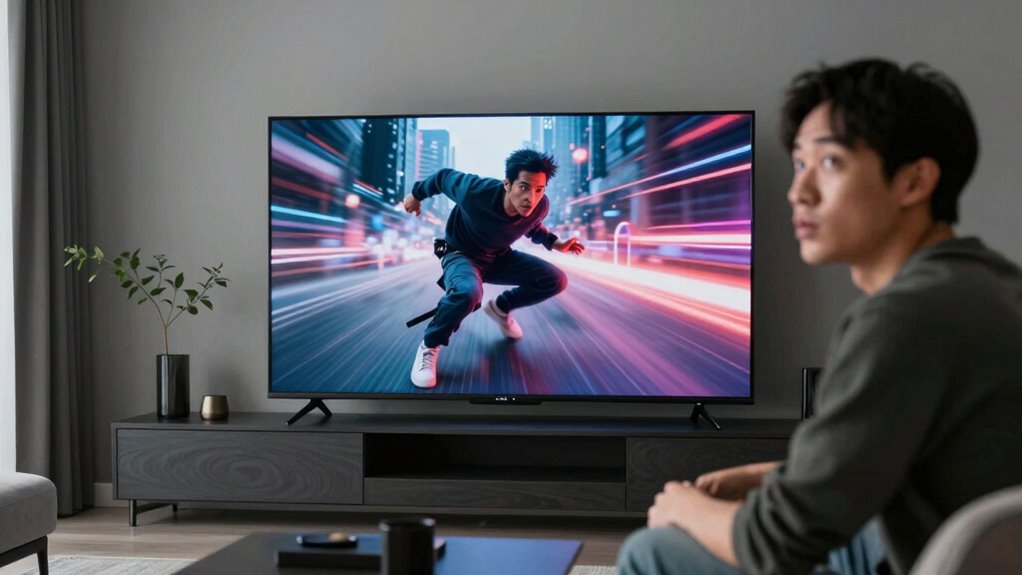
Have you ever felt dizzy while watching a movie on your TV? This sensation often stems from how your TV handles motion. A low frame rate can produce choppy images, making it hard for your eyes to keep up with fast-moving scenes. If you’re sensitive to these inconsistencies, you might experience discomfort or dizziness. TVs with higher frame rates typically provide smoother motion, reducing the strain on your eyes. However, viewer sensitivity varies; some people can easily adapt, while others may struggle. This disparity can make a significant difference in your viewing experience. To enjoy movies without feeling dizzy, consider investing in a TV that offers better motion handling, catering to your personal sensitivity.

LEVOIT Air Purifiers for Home Large Room Up to 1875 Ft² with Washable Pre-Filter, AHAM VERIFIDE, Air Quality Monitor, HEPA Sleep Mode for Allergies, Pet Hair in Bedroom, Vital 200S-P, White
𝐖𝐇𝐘 𝐂𝐇𝐎𝐎𝐒𝐄 𝐀𝐇𝐀𝐌 𝐕𝐄𝐑𝐈𝐅𝐈𝐃𝐄 𝐏𝐑𝐎𝐃𝐔𝐂𝐓𝐒: AHAM (Association of Home Appliance Manufacturers) is an ANSI-accredited organization that sets strict...
As an affiliate, we earn on qualifying purchases.
How Do Refresh Rates Affect Your Viewing Experience?
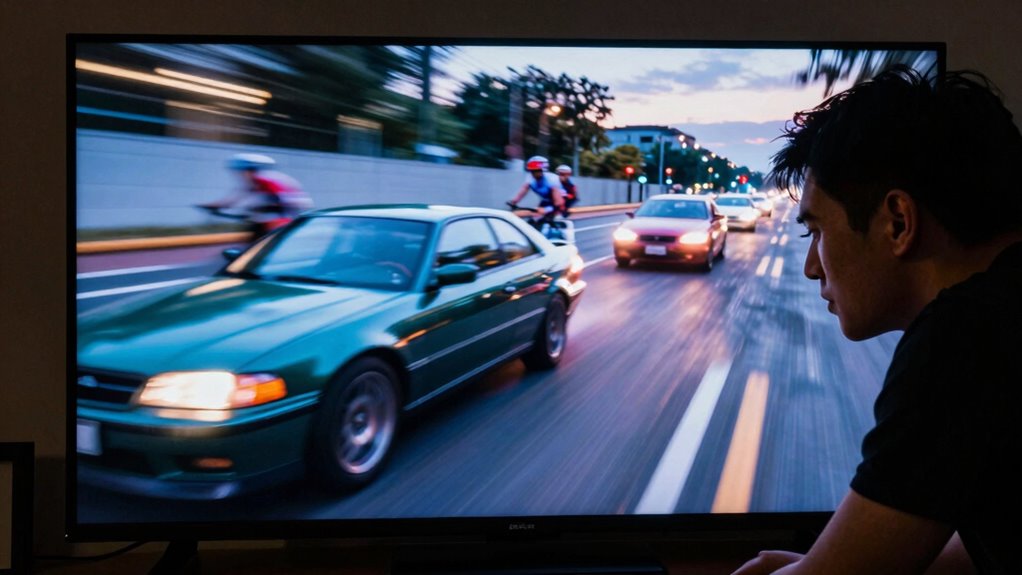
Refresh rates play an essential role in how smooth your viewing experience is. A higher refresh rate can greatly reduce motion blur, making fast-paced scenes look clearer. Understanding these basics can help you choose the right display for your needs.
Refresh Rate Basics
The refresh rate of your display directly influences how smooth and fluid your viewing experience feels. Measured in hertz (Hz), the refresh rate determines how many times per second your screen updates the image. Higher refresh rates, like 120Hz, provide a more fluid motion, reducing stutter during fast-paced scenes. Understanding refresh rate terminology helps you choose the right TV or monitor. For instance, 60Hz might suffice for casual viewing, but if you’re into gaming or action movies, you’ll appreciate the refresh rate impact of 120Hz or more. A higher refresh rate minimizes motion artifacts, making your viewing experience more immersive and enjoyable, while a lower rate can leave you feeling dizzy or disoriented during fast movements.
Motion Blur Impact
When you enjoy fast-paced content, motion blur can greatly impact your viewing experience. Higher refresh rates help reduce motion blur, making fast movements appear clearer and more fluid. If your TV has a low refresh rate, you might notice blurriness during action scenes, leading to visual fatigue. This fatigue can detract from your enjoyment, as you struggle to keep up with the action on-screen. Ideally, you want a refresh rate of at least 60Hz for a smoother experience. Some premium TVs even offer 120Hz or higher, markedly minimizing motion blur. Ultimately, choosing a TV with an appropriate refresh rate can enhance your viewing, making those thrilling moments more immersive and enjoyable without the strain on your eyes. Additionally, higher refresh rates are crucial for gaming enthusiasts who want to experience fast-paced action without lag.

LEVOIT Air Purifier for Home Bedroom Dorm Room, Smart & Voice Control, AHAM VERIFIED, 3-in-1 Filter With HEPA Sleep Mode, for Pollen, Pollutants, Smoke, Dander, Dust, Core 200S-P, White
𝐖𝐇𝐘 𝐂𝐇𝐎𝐎𝐒𝐄 𝐀𝐇𝐀𝐌 𝐕𝐄𝐑𝐈𝐅𝐈𝐃𝐄 𝐀𝐈𝐑 𝐏𝐔𝐑𝐈𝐅𝐈𝐄𝐑𝐒: AHAM (Association of Home Appliance Manufacturers) is an ANSI-accredited organization that sets...
As an affiliate, we earn on qualifying purchases.
How Motion Interpolation Affects Image Clarity and Viewer Comfort
Motion interpolation can greatly enhance your viewing experience by creating smoother motion in videos. While this technology offers benefits like improved image clarity, it can also lead to discomfort if over-processed. Understanding the balance between smooth motion and viewer comfort is key to enjoying your favorite content.
Motion Interpolation Defined
As you watch your favorite movies or sports events, you might notice that some scenes appear smoother than others. This is often due to motion interpolation techniques, which enhance the smoothness of motion on your screen. These techniques analyze the video and generate additional frames, resulting in motion smoothing effects that can make fast-paced action feel more fluid. However, this can sometimes lead to unnatural visuals.
Here are key aspects of motion interpolation:
- Frame Generation: New frames are created between existing ones.
- Increased Fluidity: Motion appears more continuous.
- Artifacts: Unwanted visual distortions may occur.
- Viewer Preference: Everyone has different comfort levels with these effects.
In addition, optimizing your TV’s audio settings can also enhance your overall viewing experience, particularly in action scenes where dialogue clarity is crucial.
Understanding these elements can help you better appreciate your viewing experience.
Benefits Of Smooth Motion
While some viewers might be skeptical about motion interpolation, it actually offers notable benefits that enhance image clarity and overall comfort. By smoothing out fast-moving scenes, motion interpolation greatly improves motion clarity, making action-packed movies and sports events more enjoyable. You’ll notice less blurring, allowing you to see finer details in every frame. This technology reduces the visual strain that sometimes comes with rapid movements, promoting a more immersive viewing experience. Additionally, maintaining good indoor air quality can enhance your overall comfort while watching TV, as it reduces distractions from allergens and pollutants. Regularly using an air purifier can significantly improve your viewing environment. As a result, your overall viewing pleasure increases, letting you fully appreciate the artistry in films or the excitement in sports. When you embrace motion interpolation, you’re not just watching; you’re experiencing your favorite content in a whole new way. Furthermore, incorporating smart home technology can optimize your viewing experience by seamlessly integrating your devices for enhanced comfort. Additionally, understanding frame rates can help you choose the best settings for optimal motion handling on your TV. Moreover, the integration of indoor gardening systems can provide fresh herbs to enhance your snacking experience while watching your favorite shows.
Discomfort From Over-Processing
Smooth motion can enhance your viewing experience, but it can also lead to discomfort if over-processed. When your TV’s motion interpolation goes too far, it can introduce distracting over processing artifacts that detract from the image clarity. You might notice:
- Unnatural motion blur
- Jittery movements during fast scenes
- Soap opera effect, making films look cheap
- Increased viewer fatigue from constant adjustments in focus
These issues can disrupt your immersion and cause fatigue as your eyes struggle to adapt. To enjoy smooth motion without discomfort, find a balanced setting that enhances clarity without overwhelming your senses. Keep in mind that less can be more when it comes to motion processing—your comfort should always take priority.

Tubicen Wall Sconce Indoor Home Theater Lighting Hardwired Bright LED Up and Down Dimmable Wall Sconces Black Modern Hallway Stairway Wall Lights for Living Room 10W 3000K Square
【Bright Wall Sconces with Wide Area Illumination】Tubicen Square Wall Sconce (4.5"L x 4.5"W x 4.7"H) features a precision-engineered...
As an affiliate, we earn on qualifying purchases.
How Input Lag Affects What You See on Screen?
Input lag can considerably impact your experience, especially in fast-paced games where every millisecond counts. High input lag reduces input responsiveness, making your actions feel delayed. This can lead to frustration, poor performance, and a less immersive experience.
| Action | Input Lag (ms) | Effect on Gameplay |
|---|---|---|
| Moving Left | 20 | Smooth and responsive |
| Jumping | 50 | Noticeable delay |
| Shooting | 100 | Major impact on accuracy |
| Dodging | 150 | High chance of failure |
| Quick Turn | 200 | Game-breaking delay |
Understanding display latency is crucial for gamers. Lower input lag means better responsiveness, leading to a more enjoyable gaming experience. So, make sure your setup minimizes lag!
Why Some TVS Excel With Fast-Paced Content
When you’re watching fast-paced content, certain TVs stand out thanks to their advanced technology. These models enhance your viewing experience by minimizing motion blur and maintaining clarity during action scenes. Here’s what sets them apart:
Certain TVs enhance fast-paced viewing by minimizing motion blur and preserving clarity in action scenes.
- High Refresh Rates: They often feature higher refresh rates, allowing smoother shifts in fast movements.
- Motion Interpolation: Some TVs use motion interpolation techniques to create additional frames, reducing blur.
- Effective Response Times: Quick response times help prevent ghosting effects, ensuring each frame appears crisp.
- Adaptive Sync Technologies: These help synchronize the display’s refresh rate with the content, providing a seamless experience.
With these features, you’ll find that certain TVs truly excel at delivering an immersive experience during fast-paced content.
What Should You Look for in a TV for Smooth Motion?
How can you guarantee your TV delivers the smooth motion you crave? First, look for a high frame rate; ideally, you want at least 120Hz for clear, fluid visuals, especially during fast action scenes. A higher frame rate reduces motion artifacts, the blurriness or ghosting you might see in fast-paced content. Next, check the TV’s motion processing features. Technologies like motion interpolation can enhance clarity but may introduce unnatural effects if overdone. Additionally, consider the panel type; OLEDs generally handle motion better than some LCDs. It’s also crucial to maintain good mobility & recovery practices, as a relaxed viewing environment can enhance your overall comfort. Moreover, employing training concepts can help you identify the best viewing angles and distances for optimal motion clarity. Additionally, using cleaning techniques for your TV screen can prevent smudges that disrupt your viewing experience. Finally, read reviews to see how real users feel about a TV’s motion handling. Investing time in research guarantees you enjoy a seamless viewing experience without the dizziness. Also, ensuring a good air quality balance can enhance your overall viewing comfort by reducing distractions during your movie nights. Smart home gym equipment can also help you create a comfortable space that supports your wellness journey.
Frequently Asked Questions
Can Motion Handling Issues Affect Gaming Performance on TVS?
Yes, motion handling issues can definitely affect gaming performance on TVs. If your TV has high input lag or struggles with frame rates, you’ll notice delays in your gameplay, making it harder to react quickly. This can lead to a frustrating gaming experience, especially in fast-paced games. To improve your performance, look for TVs with low input lag and good motion handling capabilities to guarantee smoother visuals and responsive controls.
How Do Different Display Technologies Impact Motion Handling?
Different display technologies greatly impact motion handling. With LCDs, you’ll notice slower response times, leading to blurring during fast-paced scenes. OLED performance shines here, as its quicker response times reduce motion blur, providing a smoother experience. If you’re gaming or watching action-packed movies, OLED displays often give you the edge, making your visuals clearer and more vibrant. So, choosing the right technology can enhance your overall viewing experience dramatically.
Is Motion Sickness Caused by TV Related to Personal Sensitivity?
Absolutely, motion sickness from TV often ties back to your personal sensitivity. Just like how some people can’t handle roller coasters while others love the thrill, individual variation plays a big role here. If you’re more prone to dizziness or nausea, certain screen movements might trigger those feelings. It’s essential to pay attention to your body’s responses, adjusting viewing habits and settings to find what works best for you and minimizes discomfort.
What Are the Symptoms of Motion Sickness From TVS?
When you experience motion sickness from TVs, you might notice several symptoms. You could feel visual discomfort, which includes blurred vision or difficulty focusing on the screen. Screen flicker can intensify these feelings, making you dizzy or nauseous. You may also experience headaches, sweating, or even fatigue. If you find yourself feeling uneasy while watching, it’s important to take breaks or adjust your viewing habits to minimize these symptoms.
Do Ambient Lighting Conditions Affect How Motion Is Perceived on Screen?
Yes, ambient lighting conditions do affect how you perceive motion on screen. When there’s too much glare or harsh lighting, your brain might struggle to process fast-moving images, leading to discomfort. Conversely, softer, controlled lighting can enhance your viewing experience, making motion appear smoother. Adjusting your room’s lighting can improve motion perception, helping you enjoy your favorite shows without the risk of feeling dizzy or disoriented. So, consider your environment next time you watch!
Conclusion
In the wild world of TV viewing, don’t let dizzying motion handling turn you into a woozy mess! By understanding refresh rates, motion interpolation, and input lag, you can conquer the chaos of fast-paced action. The right TV can transform your living room into a cinematic paradise, where every scene is as smooth as butter and your comfort reigns supreme. So, gear up and choose wisely—because nobody wants to feel like they just stepped off a rollercoaster!