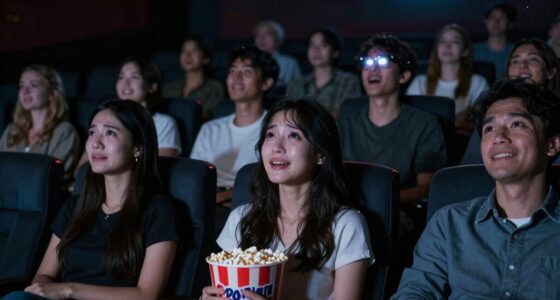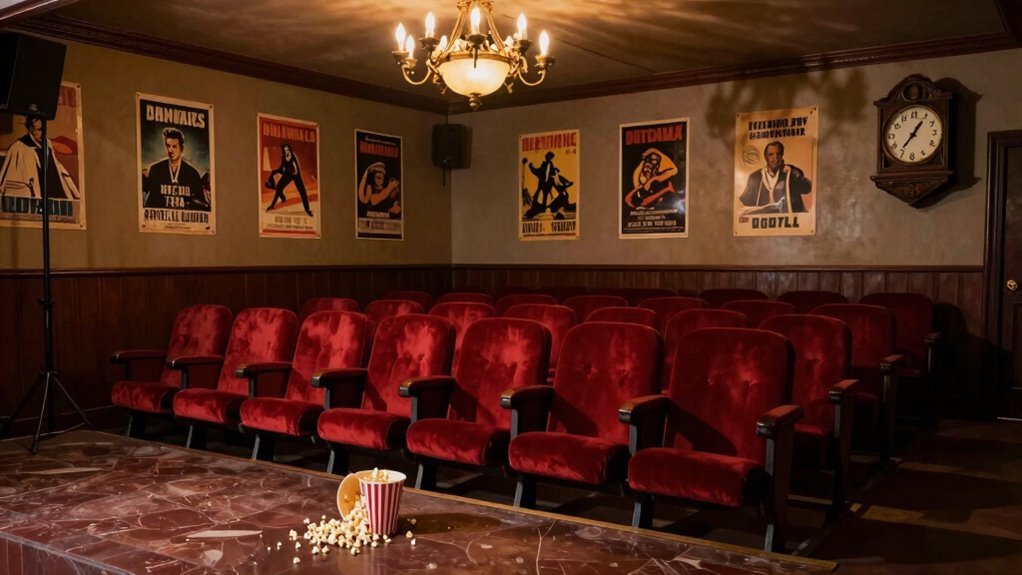

Intermissions once enriched your experience, giving you a chance to reflect and engage with others. Ancient theaters fostered community discussions, and cinema embraced intermissions to create a vibrant social atmosphere. However, with the rise of multiplex theaters and fast-paced entertainment, continuous viewing became the norm. This shift changed audience expectations, diminishing the demand for intermissions. As you explore this topic further, you’ll uncover the potential for a nostalgic revival of these engaging breaks.
Key Takeaways
- Intermissions originated in ancient theaters, enhancing audience engagement through community discussions and reflections on performances.
- The Golden Age of cinema embraced intermissions, allowing audiences to socialize and digest lengthy films, fostering a communal atmosphere.
- The decline of intermissions arose from audience preferences for shorter, fast-paced entertainment and the rise of multiplex theaters emphasizing continuous viewing.
- Continuous formats led to reduced audience engagement, increased fatigue, and diminished opportunities for social interaction during performances.
- A potential comeback of intermissions is noted, driven by audience desires for deeper connections and immersive experiences in modern performances.

Movie Vintage Inspired Double-Sided Marquee LED Sign Retro Wall Decor for the Home, Game Room, Bar, Man Cave, Garage, or Bedroom (25" x 8" x 3")
DOUBLE-SIDED SIGN – Double-Sided Off The Wall Sign With A Marquee Design. Both Sides Are A Mirror Image...
As an affiliate, we earn on qualifying purchases.
Why Intermissions Matter: A Dive Into Their Historical Roots
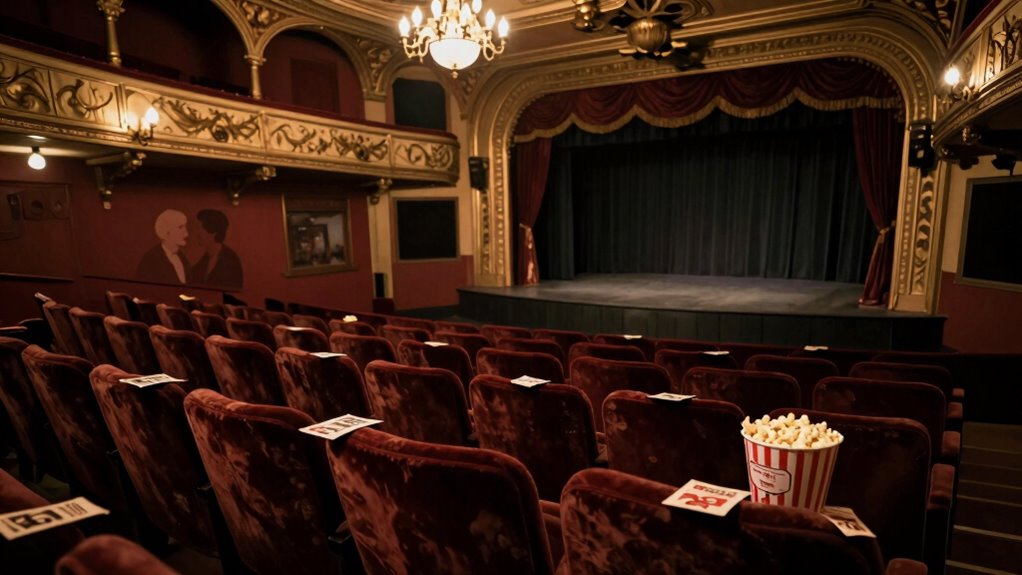
Intermissions matter more than you might think, as they’ve played a significant role in the evolution of performances throughout history. These breaks aren’t just about stretching your legs; they serve an important purpose in enhancing audience engagement. In ancient theaters, intermissions allowed viewers to discuss the unfolding drama, fostering a sense of community and cultural significance. It’s during these pauses that you could share reactions, deepen your connection to the story, and even influence others’ interpretations. Over time, intermissions became a ritual, giving everyone a moment to reflect on the performances. This cultural practice highlights how intermissions have transformed from mere breaks into essential components that enrich the overall experience, bridging the gap between performers and their audience.
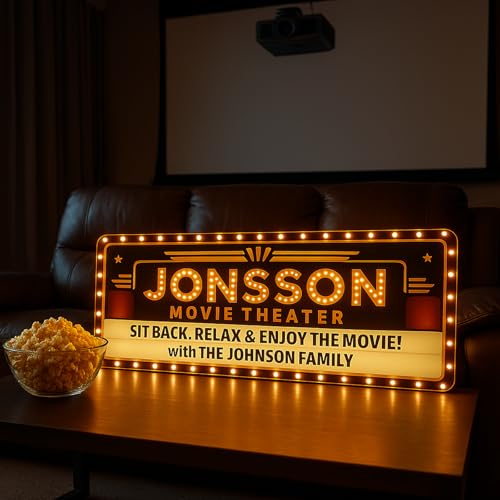
Custom Movie Theater LED Marquee Sign, Personalized Name Bottle Service Sign for Home Theater, Customized Family Name Light Up Marquee for Cinema, Movie Night, Entrance Decor (Home Theater #2)
Personalized Home Theater Marquee Sign: Design a distinctive focal point for your home theater using your family name...
As an affiliate, we earn on qualifying purchases.
Cinema’s Adoption of Intermissions
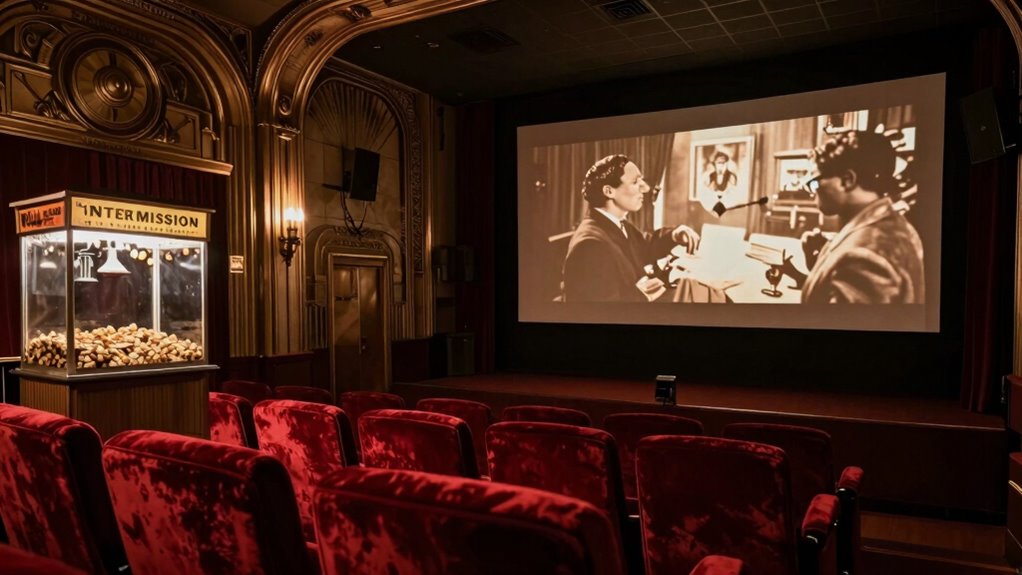
As filmmakers began to recognize the importance of audience engagement, they embraced intermissions as a way to enhance the cinematic experience. This shift marked a significant moment in cinema evolution, allowing viewers to take a break, discuss the film, and refresh themselves. Intermissions not only provided a pause but also created a communal atmosphere, strengthening the bond between the audience and the film. As you settled into your seat, you could feel the anticipation build during these breaks. They transformed lengthy movies into digestible segments, making it easier for everyone to stay engaged. By integrating intermissions, filmmakers catered to their audiences’ needs, ensuring that the cinematic journey was as enjoyable as possible. This innovative approach helped shape the viewing experience we cherish today.

Rebran Custom Movie Theater LED Marquee Sign, Personalized Name Bottle Service Sign for Home Theater, Customized Family Name Light Up Marquee for Cinema, Movie Night, Entrance Decor
Personalized Home Theater Marquee Sign: Design a distinctive focal point for your home theater using your family name...
As an affiliate, we earn on qualifying purchases.
The Golden Age of Intermissions: A Cultural Norm
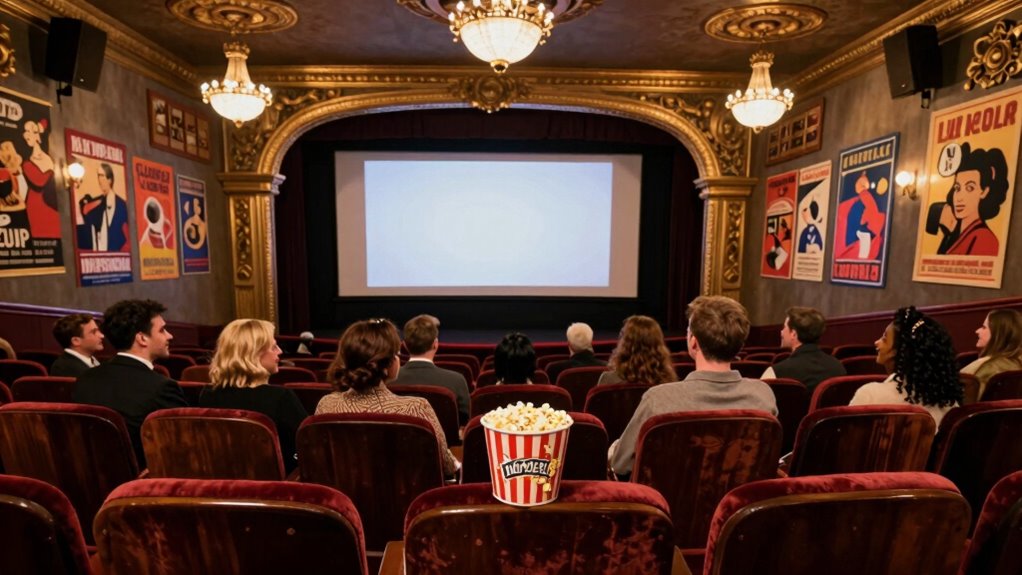
During the Golden Age of intermissions, you experienced more than just a break; it was a chance to socialize and refresh with friends. These pauses extended the movie experience, allowing for lively discussions about the film’s plot and characters. You weren’t just watching a movie; you were part of a shared cultural moment.
Socializing During Breaks
When the lights dimmed and the curtain fell, audiences enthusiastically embraced the chance to mingle and recharge. Intermissions became a vibrant social hub, fostering connections and cultural exchange. You’d find yourself engaging in lively conversations, sharing thoughts about the performance, or even making new friends.
- The buzz of laughter filled the air as people gathered in groups.
- Connections formed, highlighting the significance of social bonding.
- Local delicacies and arts showcased, enriching the experience.
These breaks weren’t just about refreshments; they created a communal atmosphere where stories and experiences flowed freely. You could witness diverse cultures interacting, all thanks to the simple act of stepping away from the stage, reinforcing how intermissions played an essential role in our shared enjoyment.
Extended Movie Experiences
While you settled into your seat for a cinematic adventure, the anticipation of a lengthy movie experience became part of the charm. Extended formats, like epics and musicals, captivated audiences, allowing them to immerse themselves in richly woven stories. These films often ran for over three hours, but the inclusion of intermissions made the experience manageable and enjoyable. You could stretch your legs, grab a snack, and discuss the plot twists with friends, all while enhancing audience engagement. This culture of extended movie experiences provided a communal atmosphere, turning a simple film viewing into an event. As time passed and films became more streamlined, that sense of shared excitement faded, yet the memory of those intermissions lingers in the hearts of movie lovers.
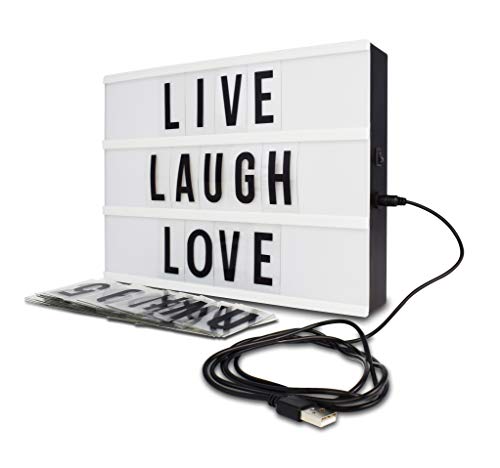
Northpoint Cinema Style 10-LED Home Decor Large Light Box with 109 Letters and Characters, Wall Mounted or Tabletop, Battery or USB Powered, White
VINTAGE CINEMA STYLE LIGHTBOX: Are you looking for a unique decorative piece with vintage vibes? Then the cinema...
As an affiliate, we earn on qualifying purchases.
What Led to the Decline of Intermissions?
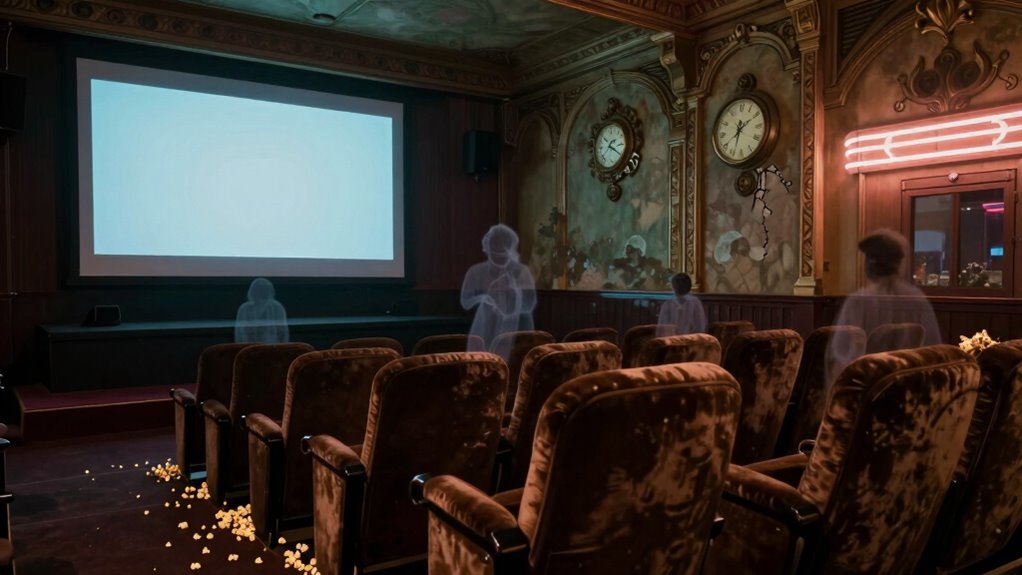
As audiences began to favor shorter, more fast-paced entertainment, intermissions gradually fell out of favor. The shift in preferences was influenced by several factors, particularly in theater economics and audience engagement.
- The rise of multiplex theaters promoted continuous viewing.
- Filmmakers created tighter narratives to keep viewers hooked.
- The demand for immersive experiences led to uninterrupted storytelling.
These elements combined shifted audience expectations. People wanted to be captivated without breaks, and theaters responded by eliminating intermissions. As a result, the traditional pause became a relic of the past, replaced by a focus on streamlined viewing experiences that cater to modern tastes. You now see fewer intermissions, as the industry adapts to keep audiences engaged and entertained continuously.
Audience Expectations for Continuous Viewing
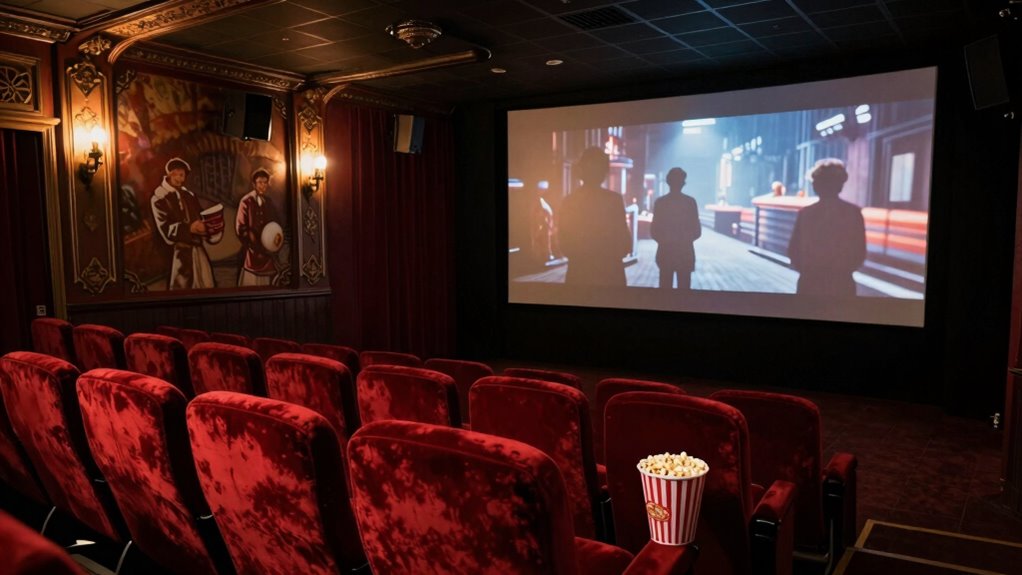
As viewing habits shift, audiences increasingly expect uninterrupted experiences. This shift has been driven by the rise of streaming platforms, which have conditioned you to binge-watch shows without breaks, altering your perception of how stories should unfold. This change challenges traditional formats that once relied on intermissions to enhance the viewing experience. Understanding content delivery standards can help explain how technological innovations have influenced these evolving audience expectations, as they set new benchmarks for seamless and digital experience expectations in modern media consumption. Additionally, the move toward remote work and digital collaboration tools has emphasized the importance of continuous engagement, further shaping audience preferences for uninterrupted content.
Shift In Audience Habits
Although many traditional forms of entertainment once embraced intermissions, today’s audiences expect uninterrupted viewing experiences. This shift in viewing habits reflects an evolution in audience engagement, where you want seamless storytelling without breaks. You crave immersion in the narrative. You prefer binge-watching over segmented viewing. You seek immediate gratification in your entertainment choices. As you adapt to these continuous experiences, the demand for intermissions has diminished. This desire for fluidity not only enhances your engagement but also aligns with the fast-paced world we live in. Nowadays, taking a break feels like a disruption, pulling you out of the narrative and diminishing your connection to the story. Consequently, intermissions have largely vanished, making way for a new norm in entertainment consumption. Content delivery methods have evolved to support this seamless experience, minimizing interruptions and maintaining your immersion throughout your entertainment. Additionally, advancements in streaming technology have further reduced the need for intermissions by enabling longer, uninterrupted content streams. Moreover, the rise of artificial intelligence has played a role in customizing viewing experiences, ensuring that content flows smoothly to meet viewer preferences. Furthermore, digital platforms allow for personalized content management, reducing the necessity for traditional breaks. As a result, innovations like adaptive streaming contribute significantly to the continuous viewing experience you now expect.
Rise Of Streaming Platforms
The rise of streaming platforms has considerably shaped your expectations for continuous viewing. With the streaming convenience they offer, you can watch entire seasons of shows without any interruptions, instantly altering how you consume content. This shift has fueled the binge-watching culture, where viewers like you dive deep into storylines, often finishing series in a single weekend. You no longer tolerate commercial breaks or lengthy intermissions; instead, you crave seamless changes from one episode to the next. As a result, your patience for traditional formats has dwindled. Streaming has redefined your viewing experience, making it easy to immerse yourself in enthralling narratives without pausing for anything outside the screen. This evolution reflects your desire for uninterrupted entertainment.
The Impact of Eliminating Intermissions in Modern Performances
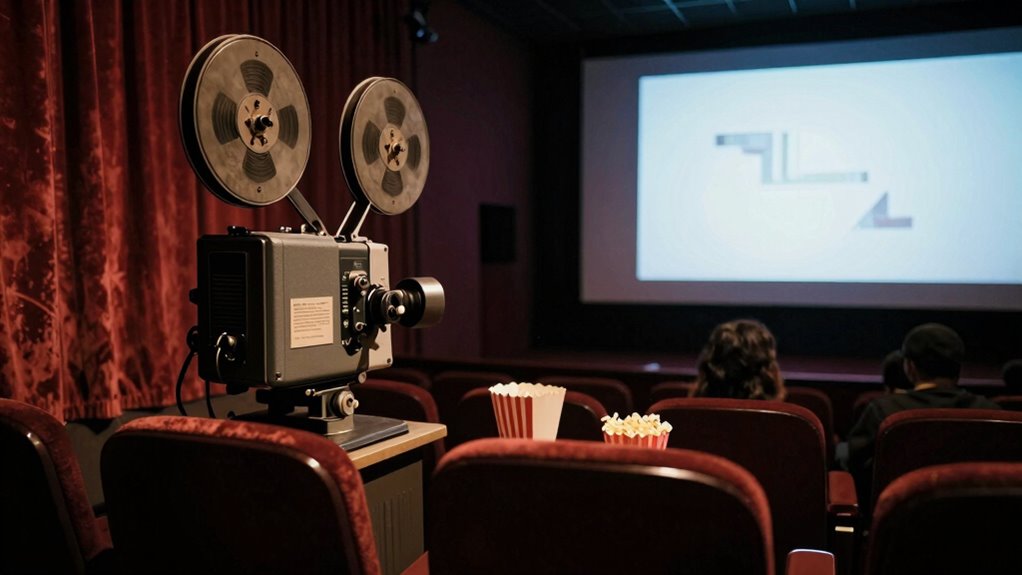
While many modern performances have opted to eliminate intermissions in favor of a continuous experience, this shift greatly impacts audience engagement and performer dynamics. Without breaks, you might find your attention waning, which can disrupt the performance pacing. Here are some consequences you may notice:
The elimination of intermissions can diminish audience focus and disrupt the overall performance experience.
- Increased fatigue among audiences, leading to diminished focus on the stage.
- Reduced opportunities for social interaction, which can enhance the overall experience.
- A more intense pressure on performers to maintain energy levels throughout.
This continuous format can create a sense of urgency, but it often sacrifices the communal atmosphere that intermissions fostered. You might miss those moments of reflection and connection that allowed the performance to resonate even deeper.
Could Intermissions Be Making a Comeback?
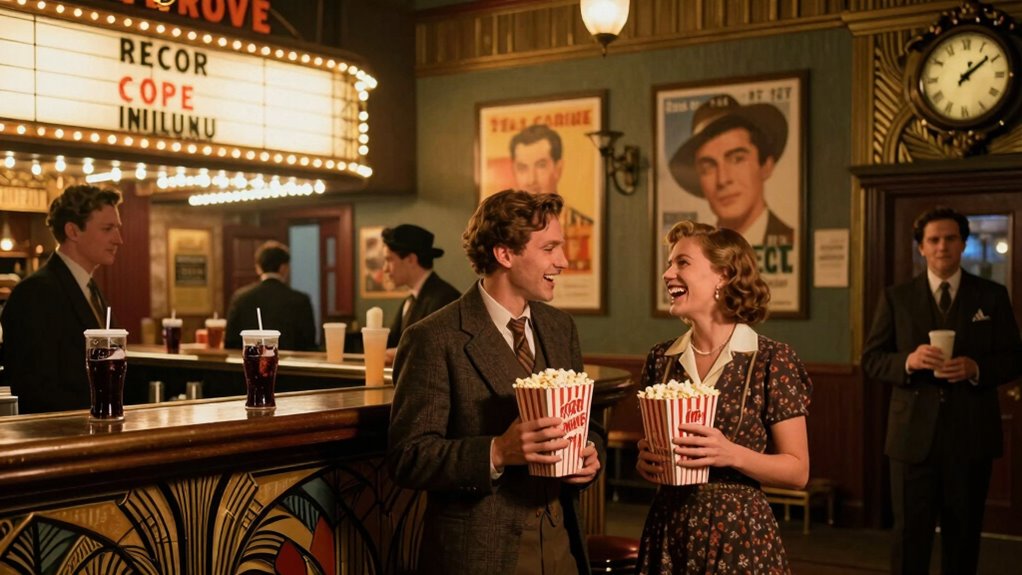
As audiences seek deeper connections and more engaging experiences in performances, intermissions could be making a comeback. This nostalgic resurgence taps into a desire for moments of reflection and social interaction, letting you process what you’ve just seen. A cultural revival is brewing, as theaters and venues recognize the value of allowing breaks for conversation and refreshment. You might find that these pauses enhance your overall experience, giving you time to share thoughts with friends or even meet new people. With the rise of immersive and interactive performances, intermissions could provide a much-needed change of pace, making the experience feel more communal and less like a marathon. Who knows? You might just appreciate the return of this cherished tradition.
Frequently Asked Questions
How Did Intermissions Vary Between Different Cultures and Countries?
Intermissions vary greatly across cultures and countries, reflecting their unique cultural significance. In some places, like Italy, intermissions are essential for socializing and enjoying refreshments, becoming a cherished part of the experience. Meanwhile, in Japan, they might serve as a brief pause for contemplation, emphasizing the art of performance. These global traditions highlight how intermissions can enhance the audience’s experience, allowing everyone to connect more deeply with the art form and each other.
What Are Some Famous Performances That Featured Memorable Intermissions?
You’ll find memorable intermissions in many famous performances. Shakespearean plays often featured breaks, allowing audiences to discuss plots and characters. Opera performances, like Puccini’s “La Bohème,” provided dramatic pauses for reflection on the music. Broadway shows, such as “Hamilton,” have intermissions that keep the energy alive while letting you absorb the story. Classic films like “Gone with the Wind” had intermissions to enhance the viewing experience, giving you a moment to savor the drama.
Did Intermissions Influence the Structure of Storytelling in Films?
Intermissions were like a refreshing change, allowing stories to unfold in layers. They shaped narrative pacing, giving filmmakers a chance to build tension, release it, and then dive deeper into character development. By breaking films into segments, they enhanced audience engagement, inviting viewers to reflect on what they’d just seen before plunging into the next act. Without those pauses, storytelling can feel rushed, losing that rich, immersive experience we crave.
Are There Any Health Benefits Associated With Taking Breaks During Performances?
Yes, taking breaks during performances offers significant health benefits. You gain mental clarity, allowing your mind to process what you’ve just experienced, enhancing your overall enjoyment. Plus, those moments of pause provide physical rejuvenation, letting you stretch, hydrate, and relax. This refreshment can prevent fatigue, keeping you engaged and attentive. So, don’t underestimate the value of a well-timed break; it’s essential for both your mental and physical well-being.
How Do Modern Streaming Services Handle the Concept of Intermissions?
Imagine settling into your couch, the glow of the screen flickering like a campfire. Modern streaming services usually skip intermissions, catering to your binge-watching habits. Instead, they use flexible streaming formats that let you pause and resume at your leisure. This convenience means you can take breaks whenever you want, transforming the viewing experience into a personalized journey rather than a rigid schedule. So, feel free to grab a snack whenever the mood strikes!
Conclusion
In a world where the thrill of uninterrupted storytelling reigns supreme, you might think intermissions are gone for good, lost like a forgotten relic. But imagine a cinematic experience so immersive that you can’t help but crave a break—a moment to breathe, sip your soda, and discuss the plot twists! Intermissions could burst back onto the scene like a dramatic plot twist, reminding us that sometimes, pausing the action is just as essential as the show itself.