
Filmmakers use film grain on purpose to enhance storytelling and evoke emotional depth. It creates a nostalgic connection, adding texture and warmth that digital clarity might lack. This grainy aesthetic can make scenes feel more intimate and relatable, drawing you closer to the characters’ struggles. It’s a stylistic choice that resonates with audiences, shaping their perception of the film. There’s much more to discover about how grain impacts the cinematic experience and its future in filmmaking.
Key Takeaways
- Film grain evokes nostalgia, connecting viewers to classic films and enhancing emotional engagement with the story.
- Directors use grain to create specific moods, adding depth and texture to scenes that enhances the narrative experience.
- Grain serves as a stylistic choice, allowing filmmakers to craft unique visual identities that differentiate their films from others.
- In genres like horror or drama, grain heightens tension and realism, intensifying the audience’s emotional response.
- Advances in technology enable filmmakers to control grain precisely, merging traditional aesthetics with modern storytelling techniques for a richer experience.

Movie Vintage Inspired Double-Sided Marquee LED Sign Retro Wall Decor for the Home, Game Room, Bar, Man Cave, Garage, or Bedroom (25" x 8" x 3")
DOUBLE-SIDED SIGN – Double-Sided Off The Wall Sign With A Marquee Design. Both Sides Are A Mirror Image...
As an affiliate, we earn on qualifying purchases.
The Historical Context of Film Grain
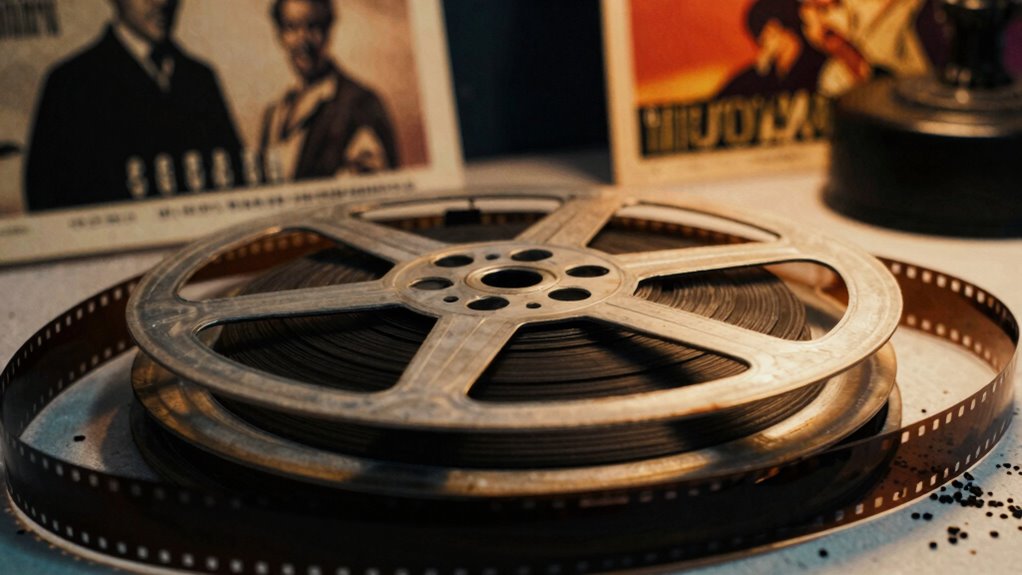
Why has film grain become such a defining characteristic of cinema? You might not realize it, but film grain has deep roots in film history. Early filmmakers relied on the unique texture of film stock, which contributed to the visual identity of their work. As technology advanced, grain evolution became significant, shifting from coarse textures to finer grains. However, filmmakers began to appreciate grain’s aesthetic qualities, using it to evoke nostalgia or authenticity. This shift allowed grain to transcend its technical origins, becoming a stylistic choice. As you watch films today, consider how this once-unwanted aspect of film has shaped the way stories are told, influencing both the look and feel of cinema. It’s a fascinating journey worth exploring.
Custom Movie Theater LED Marquee Sign, Personalized Name Bottle Service Sign for Home Theater, Customized Family Name Light Up Marquee for Cinema, Movie Night, Entrance Decor (Home Theater #2)
Personalized Home Theater Marquee Sign: Design a distinctive focal point for your home theater using your family name...
As an affiliate, we earn on qualifying purchases.
How Film Grain Evokes Mood and Emotion
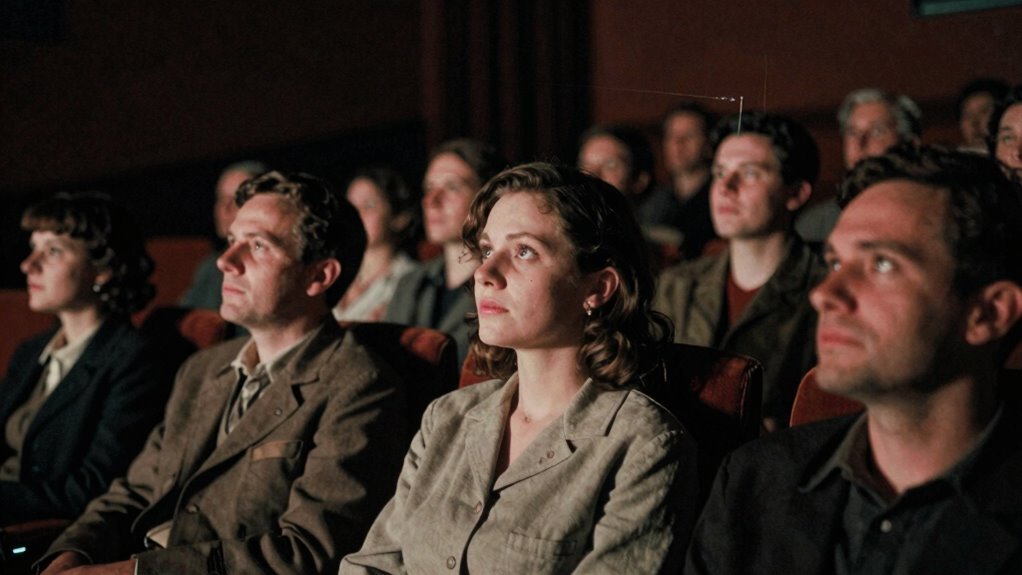
Film grain can profoundly influence the mood and emotion of a scene, often drawing you deeper into the story. When you watch a film with intentional grain, it creates a tactile quality that enhances your sensory experience. This texture adds layers of complexity, enriching the narrative and amplifying emotional resonance. You might feel nostalgia or a sense of unease, depending on the film’s context. The grain can evoke memories of classic cinema, making you feel connected to a shared history. It transforms the visual landscape, allowing you to engage more intimately with characters and their struggles. Ultimately, film grain serves as a powerful tool, shaping how you perceive and feel throughout the cinematic journey.

Rebran Custom Movie Theater LED Marquee Sign, Personalized Name Bottle Service Sign for Home Theater, Customized Family Name Light Up Marquee for Cinema, Movie Night, Entrance Decor
Personalized Home Theater Marquee Sign: Design a distinctive focal point for your home theater using your family name...
As an affiliate, we earn on qualifying purchases.
Why Film Grain Adds Aesthetic Appeal

The aesthetic appeal of film grain lies in its ability to create a unique visual character that sets a film apart. When you watch a movie with film grain, you might notice how it contributes to the overall atmosphere. It adds an aesthetic texture that enhances the storytelling and evokes emotions. Consider these factors:
- Nostalgic appeal: Grainy visuals remind you of classic films, creating a connection to cinematic history.
- Visual warmth: The imperfections of grain soften images, making scenes feel more intimate and relatable.
- Artistic style: Grain can be an intentional choice, giving the film a distinct look that invites viewers into its world.
Ultimately, film grain enriches the viewing experience, allowing you to appreciate the artistry behind the craft.
Northpoint Cinema Style 10-LED Home Decor Large Light Box with 109 Letters and Characters, Wall Mounted or Tabletop, Battery or USB Powered, White
VINTAGE CINEMA STYLE LIGHTBOX: Are you looking for a unique decorative piece with vintage vibes? Then the cinema...
As an affiliate, we earn on qualifying purchases.
Understanding Audience Perception of Film Grain
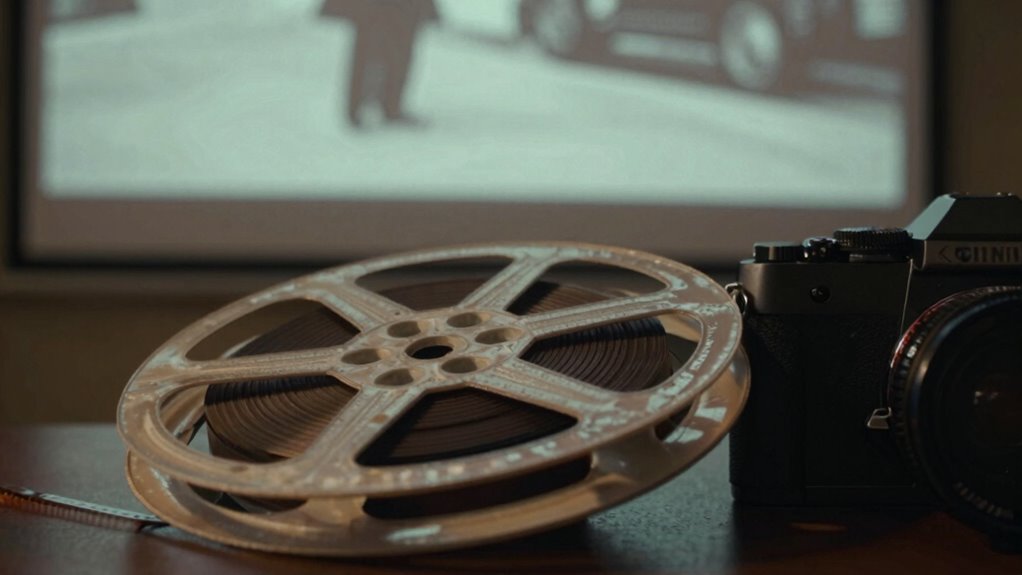
Grainy textures can markedly influence how audiences perceive a film. When you see film grain, it often stirs up a sense of audience nostalgia, reminding you of classic movies or eras gone by. This textured look can evoke memories and emotions tied to the films you love, creating an emotional connection that enhances your viewing experience. You might find yourself feeling more engaged, as the grain adds a layer of authenticity and warmth that digital clarity sometimes lacks. It’s as if the film is inviting you into a shared history, making the story more relatable. By using film grain, filmmakers tap into these feelings, helping you connect not just with the characters, but also with the medium itself.
Influential Directors Who Use Film Grain Effectively
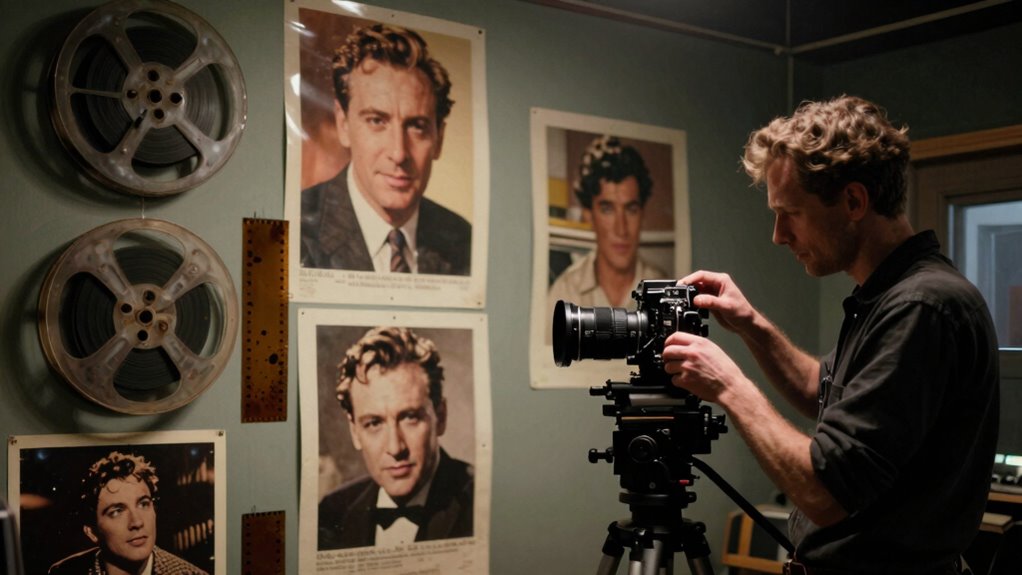
When you think about directors who masterfully use film grain, Quentin Tarantino, Christopher Nolan, and Wes Anderson come to mind. Each of them brings a unique style, with Tarantino’s vintage aesthetic, Nolan’s atmospheric depth, and Anderson’s whimsical charm. Let’s explore how they effectively incorporate film grain into their storytelling.
Quentin Tarantino’s Vintage Aesthetic
How does Quentin Tarantino achieve that enchanting vintage aesthetic in his films? He expertly blends retro influences with vintage visuals to create a nostalgic atmosphere that resonates with audiences. Here are a few techniques he uses:
- Film Grain: Tarantino often incorporates grainy textures, giving his films an authentic, old-school feel.
- Color Palette: He utilizes vibrant colors reminiscent of classic cinema, enhancing the retro vibe.
- Cinematography: By employing unique camera angles and framing, he evokes the style of 70s and 80s films.
- Historical Inspiration: His attention to period-specific details, much like historical citizen movements, helps ground his films in a specific era, adding depth and authenticity.
These elements come together, allowing you to immerse yourself in a world that feels both familiar and distinctively his. Tarantino’s dedication to film grain and vintage aesthetics not only pays homage to the past but also reinvents it for modern audiences.
Christopher Nolan’s Atmospheric Depth
While Tarantino’s vintage style evokes nostalgia, Christopher Nolan takes a different approach, using film grain to enhance the atmospheric depth of his narratives. You’ll notice that in films like “Interstellar” and “Dunkirk,” the grain adds a tactile quality, drawing you deeper into the emotional landscape. Nolan’s symbolism often hinges on the grainy texture, which complements his immersive storytelling. It creates a sense of realism and urgency, making you feel the weight of the characters’ experiences. This deliberate choice allows you to connect with the film on a visceral level, immersing you fully in the story. By using grain, Nolan not only crafts a unique aesthetic but also enriches the thematic complexity of his work, inviting you to explore deeper meanings.
Wes Anderson’s Whimsical Charm
Although Wes Anderson’s films are often characterized by their meticulous symmetry and vibrant color palettes, the subtle use of film grain adds an enchanting layer to his distinct style. This grain enhances the whimsical aesthetics that define Anderson’s work, creating a nostalgic yet fresh viewing experience.
You’ll notice how film grain contributes to:
- Depth of Emotion: It softens the visual edges, making scenes feel more intimate.
- Timeless Quality: The grain evokes a sense of nostalgia, inviting you to immerse yourself in his quirky worlds.
- Visual Texture: It adds a tactile quality that complements Anderson’s meticulous designs.
With these elements, Anderson’s style becomes an unforgettable blend of charm and artistry, enthralling audiences and leaving a lasting impression.
How Cinematographers Use Film Grain Techniques
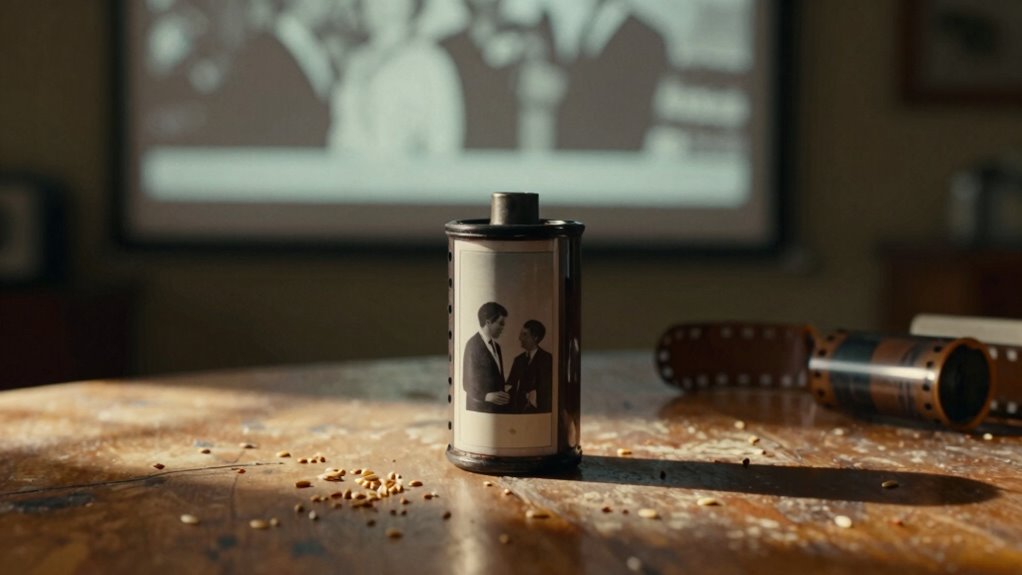
Cinematographers often leverage film grain techniques to enhance the emotional impact of a scene. By intentionally adding grain, they create a sense of nostalgia or rawness that draws you into the story. You’ll notice how certain cinematographer choices, like using a specific film stock or post-production effects, can evoke different feelings. For instance, a gritty texture might amplify tension in a thriller, while a softer grain can add warmth to a romantic moment. Additionally, grain can help unify various shots, creating a more cohesive visual experience. Ultimately, these deliberate choices influence how you connect with the characters and the narrative, making film grain an essential storytelling tool in the hands of skilled cinematographers.
Balancing Film Grain and Digital Clarity
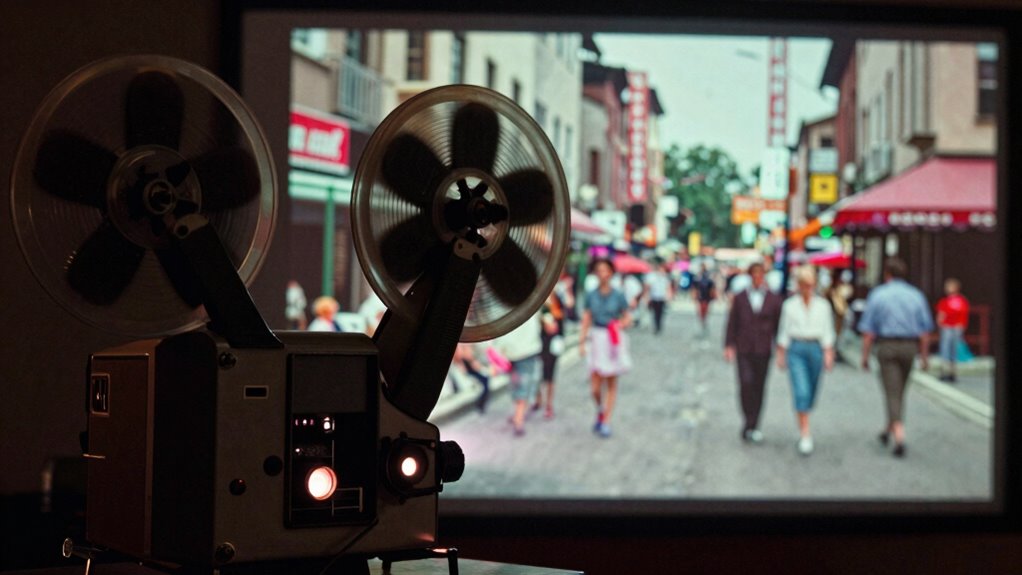
As filmmakers embrace digital technology, striking the right balance between film grain and digital clarity becomes essential for storytelling. You’ll want to reflect on how both elements can enhance your film’s mood and message. Here are a few key aspects to keep in mind:
- Visual Aesthetics: Film grain can create a nostalgic feel, while digital clarity offers a modern touch.
- Emotional Impact: The right mix can evoke specific feelings, drawing viewers deeper into the narrative.
- Genre Suitability: Different genres may call for varying levels of film grain and clarity; a gritty drama might benefit from more grain, while a sleek sci-fi may require sharper images.
Finding that sweet spot allows your audience to connect more profoundly with your story.
Predictions for the Future of Film Grain in Cinema
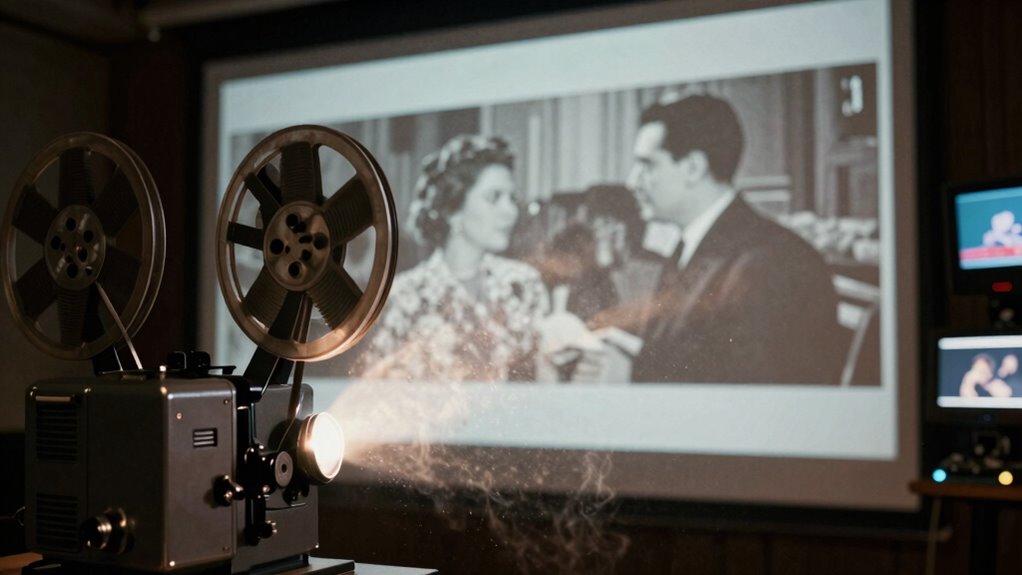
With filmmakers increasingly experimenting with blending traditional film techniques and modern digital capabilities, the future of film grain in cinema looks promising. You might see future innovations that embrace film grain not just as a stylistic choice but as a means of enhancing storytelling. As filmmakers continue to explore the emotional impact of grain, they’ll likely craft experiences that resonate deeply with audiences. This approach can elevate audience engagement, drawing viewers into the narrative while evoking nostalgia. Additionally, advancements in digital technology could allow for more precise control over grain effects, giving directors the ability to tailor their films uniquely. Overall, the fusion of grain with digital artistry will redefine cinematic language, making it an exciting time for film enthusiasts.
Frequently Asked Questions
Does Film Grain Affect the Audio Quality of a Movie?
No, film grain doesn’t affect the audio quality of a movie. While grain adds a visual texture, it doesn’t impact audio clarity or sound dynamics. You might notice that a film’s overall atmosphere can be enhanced by the combination of visual and audio elements, but the grain itself is purely a visual component. Focus on the sound design for audio quality; that’s where you’ll find the richness and depth in a film’s audio experience.
Can Digital Grain Be Replicated in Post-Production?
Yes, you can replicate digital grain in post-production using various digital techniques. Many filmmakers choose to add grain to achieve a specific look or feel, enhancing the overall aesthetic choices of the film. Software tools allow you to control the intensity and style of the grain, blending it seamlessly with your footage. By incorporating this effect, you can evoke nostalgia or create a gritty atmosphere that resonates with your audience.
How Does Film Grain Impact Film Editing?
Film grain adds a unique film texture that can greatly influence your editing style. Imagine trying to stitch together a quilt; each patch tells a story. Similarly, grain can guide your decisions, creating a mood that enhances the narrative. You might find it softens harsh cuts or adds depth to shifts, making the film feel more cohesive. Embracing grain can elevate your work, transforming simple scenes into evocative pieces that resonate with audiences.
Are There Specific Genres That Benefit More From Film Grain?
Absolutely, certain genres benefit more from film grain. Horror films, for instance, often use grain to create an unsettling atmosphere that enhances tension and fear. The grainy texture evokes a sense of nostalgia and vintage aesthetics, making the experience feel more authentic and immersive. By incorporating film grain, you can heighten the emotional impact, drawing viewers deeper into the story while tapping into their subconscious associations with classic horror cinema.
What Are the Health Effects of Viewing Grainy Films?
Watching grainy films can feel like peering through a foggy window—both intriguing and slightly uncomfortable. You might experience eye strain and visual fatigue, especially during long viewing sessions. The uneven texture of film grain can challenge your eyes, making them work harder to focus. To keep your vision sharp, take breaks and adjust the brightness of your screen. Enjoy the art, but remember to care for your eyes while immersing in those cinematic worlds!
Conclusion
In the world of cinema, film grain is like a warm blanket on a chilly night—it wraps you in nostalgia and emotion. By intentionally incorporating grain, filmmakers create a unique texture that enhances storytelling and connects with audiences on a deeper level. As technology evolves, the dance between grain and clarity will continue, reminding us that sometimes, the imperfections are what make a film truly memorable. Embrace the grain; it’s where the magic happens.