
Cinematography is all about crafting a visual narrative through images. It brings stories to life by focusing on composition, lighting, and color. You’ll notice how these elements work together to provoke emotions and enhance storytelling. Pay attention to camera angles, which shape your perception of characters, and consider how shot types impact the story’s dynamic. There’s so much more to discover about how these techniques create unforgettable cinematic experiences.

Get movie nights delivered free — and shop member deals
- Fast, free delivery on millions of items
- Access to Prime Big Deal Days deals on October 6–7
- Prime Video, Amazon Music and more included
Key Takeaways
- Cinematography is the art and science of capturing visual images, crucial for storytelling and narrative development in film.
- Composition and framing techniques, like the rule of thirds, guide the viewer’s eye and enhance visual interest.
- Camera angles influence emotional perception, with high angles suggesting vulnerability and low angles conveying power.
- Lighting shapes the emotional landscape, using shadows and strategic positioning to evoke feelings and tension.
- Color grading and sound design enrich the narrative, manipulating emotions through hues and enhancing visuals with audio elements.
What Is Cinematography and Why Does It Matter?

Cinematography is the art and science of capturing visual images on film or digitally, and it plays an essential role in storytelling. As you explore film evolution, you’ll notice how cinematography has transformed, adapting to new technologies and artistic trends. It’s not just about recording scenes; it’s about crafting visual storytelling that evokes emotions and conveys themes. The choices you make regarding lighting, camera angles, and movement greatly impact how your audience perceives the narrative. By understanding cinematography, you open doors to a deeper appreciation of films. It enhances your ability to connect with stories on a more profound level, making you more aware of how visuals shape experiences and drive the narrative forward.
Understanding Composition and Framing in Cinematography

Composition and framing are essential elements that shape how a story unfolds on screen. You can enhance your storytelling with effective composition techniques, like the rule of thirds, leading lines, and symmetry. These methods guide the viewer’s eye and create visual interest. Framing essentials, such as depth and perspective, also play a vital role in conveying emotions and context. By carefully choosing what to include in your frame, you direct the audience’s focus and evoke specific feelings. Remember, the space around your subject can be just as important as the subject itself. Experiment with different angles and compositions to find the most impactful way to tell your story. Mastering these elements will elevate your cinematography and engage your audience more deeply.
How Lighting Shapes Cinematic Moments
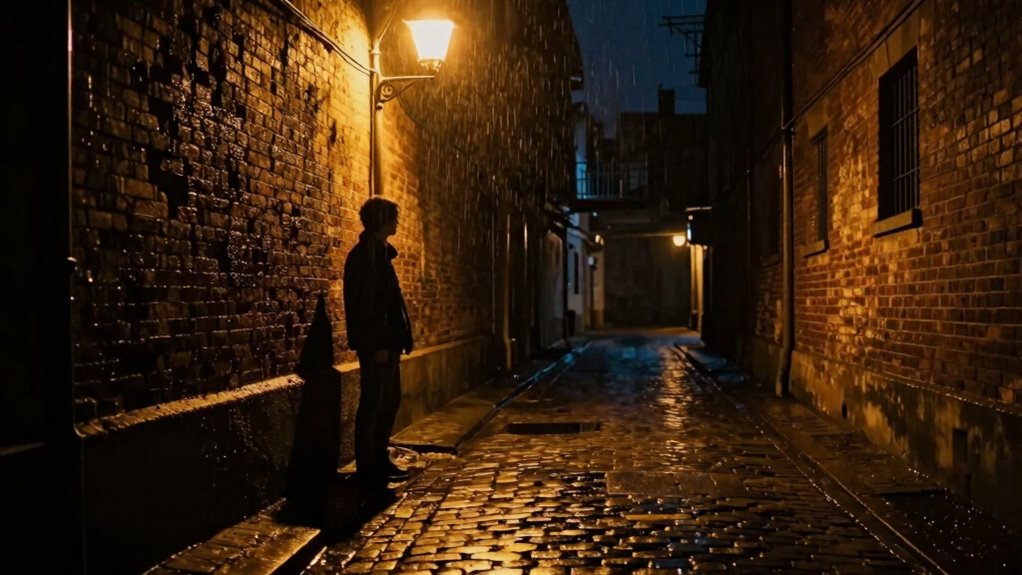
Lighting plays an essential role in shaping the emotional landscape of a scene. By using techniques that create dramatic shadows, you can intensify feelings and draw viewers into the moment. Let’s explore how these elements come together to craft unforgettable cinematic experiences.
Emotional Impact of Lighting
Three key elements transform a scene from ordinary to extraordinary, and lighting is often the most powerful. When you watch a film, notice how lighting creates emotional resonance. It can evoke feelings of joy, sadness, or tension, shaping your connection to the characters and story. Lighting symbolism plays an essential role, too. For instance, warm tones might suggest comfort and safety, while harsh shadows can convey danger or despair. As you observe different scenes, consider how the lighting not only enhances the visuals but also deepens your emotional experience. It’s this thoughtful use of light that elevates storytelling, drawing you in and making each moment unforgettable. Embrace the magic of lighting; it’s a significant element of powerful cinematography.
Techniques for Dramatic Shadows
Often, filmmakers employ dramatic shadows to heighten tension and intrigue within a scene. By mastering shadow play, you can create a visually compelling narrative that draws viewers in. Start by experimenting with light contrast; strong, directional lighting can produce deep shadows that evoke mystery or fear. Position your light source strategically to cast elongated shadows, enhancing the emotional weight of your characters’ actions. Use objects in the frame to create interesting shapes and patterns in the shadows, adding layers to your storytelling. Don’t forget to reflect on the color temperature of your lights—warm tones can create a sense of comfort, while cooler tones might evoke unease. Additionally, understanding lighting contrast can help you craft more impactful scenes. Ultimately, the thoughtful manipulation of shadows can transform an ordinary scene into a mesmerizing cinematic moment.
How Do Camera Angles Influence Storytelling?
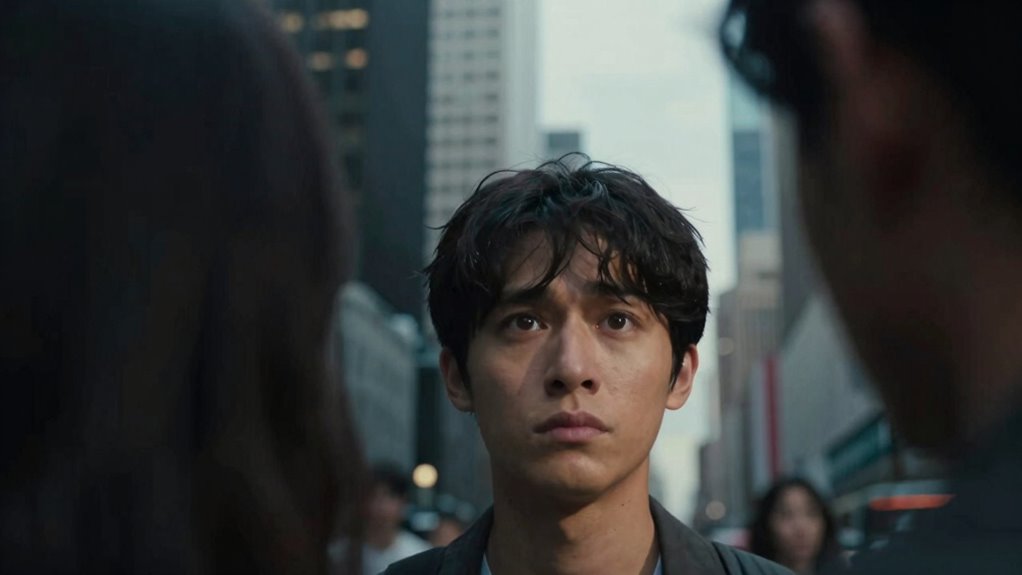
Camera angles play a vital role in how you perceive a story and its characters. When you change the angle, you can shift emotions and highlight different perspectives, making viewers feel closer or more distant from the characters. By understanding these influences, you can enhance the narrative’s impact and engage your audience more effectively.
Emotional Impact Of Angles
While you might not notice it at first, the angles chosen in a scene can profoundly shape your emotional experience as a viewer. Different angles carry significant weight, enhancing emotional resonance and altering your perception of characters and events.
| Angle Type | Emotional Impact | Example Scene |
|---|---|---|
| High Angle | Makes characters appear vulnerable | A character in distress |
| Low Angle | Suggests power and dominance | A villain confronting a hero |
| Eye Level | Creates intimacy | A heartfelt conversation |
| Dutch Angle | Instills tension and unease | A chase or conflict |
Perspective And Character Focus
Angles not only evoke emotions but also guide your understanding of characters and their motivations. When you shift camera angles, you gain different character perspectives that can alter the narrative. A low angle might make a character appear powerful, while a high angle can evoke vulnerability. These choices in visual storytelling shape how you perceive relationships and tension within the scene. For instance, a close-up on a character’s face pulls you into their emotional state, creating an intimate bond. In contrast, a wide shot can emphasize isolation, showing how a character fits into their surroundings. By paying attention to these angles, you enhance your engagement with the story, deepening your connection to the characters and their journeys.
How Color Grading Affects Audience Emotion

Color grading plays an essential role in shaping the emotional landscape of a film, as it manipulates hues and tones to evoke specific feelings in the audience. By understanding color psychology, filmmakers can create emotional resonance that enhances storytelling. You’ll notice how different colors impact your mood and perspective throughout the film.
- Warm tones can evoke comfort and nostalgia.
- Cool hues may create tension or sadness.
- Bright colors often signify joy and excitement.
- Dark shades can convey fear or mystery.
- Muted palettes might suggest despair or introspection.
When you pay attention to these elements, you’ll appreciate how color grading not only enhances visuals but also deepens your emotional connection to the story.
Choosing Between Static and Dynamic Shots for Impact

When deciding how to convey a scene’s emotional weight, filmmakers must carefully choose between static and dynamic shots. Each type has its unique impact. Static shots provide stability, allowing viewers to absorb details and emotions without distraction. In contrast, dynamic shots create energy and movement, pulling the audience into the action.
| Shot Type | Purpose | Emotional Impact |
|---|---|---|
| Static Shots | Establishing mood | Reflection and contemplation |
| Dynamic Shots | Engaging the audience | Excitement and urgency |
| Both | Balancing tension and release | Depth and complexity |
Sound Design in Cinematography: Enhancing Visuals Through Audio

How can sound design elevate the visual storytelling in film? By weaving soundscapes creation with visuals, you can create a richer narrative experience. The right audio layering enhances emotions, immersing the audience deeper into the story. Here are some ways sound design can evoke feelings:
Sound design intricately weaves with visuals, enhancing emotions and immersing audiences deeper into the narrative experience.
- Dramatic crescendos to heighten tension
- Subtle background noises to create realism
- Silence to amplify impactful moments
- Music choices that resonate with character emotions
- Sound effects that enhance action sequences
When you pay attention to these elements, you’ll notice how they complement the cinematography, making the visuals even more powerful. Sound design isn’t just an addition; it’s essential for crafting a compelling cinematic experience.
Recognizing Cinematic Techniques in Your Favorite Films
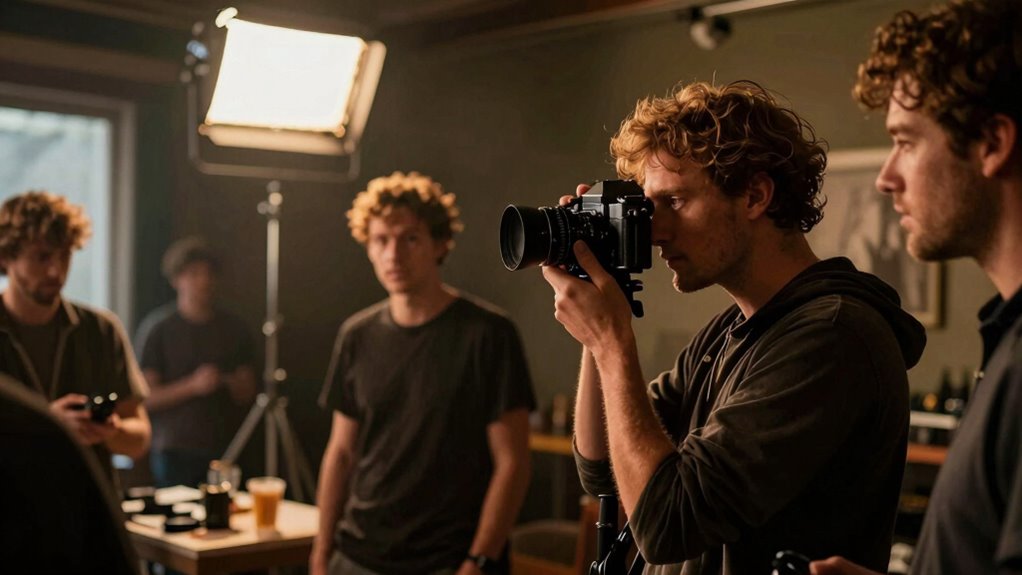
Ever wondered why certain scenes stick with you long after the credits roll? It’s often the cinematic techniques that make those moments unforgettable. By focusing on visual storytelling, you can deepen your film appreciation and elevate your viewing experience.
Here are some techniques to recognize:
| Technique | Description | Example Film |
|---|---|---|
| Framing | The arrangement of elements in a shot | *The Grand Budapest Hotel* |
| Color Palette | The use of color to convey mood | *Mad Max: Fury Road* |
| Camera Movement | How the camera moves throughout scenes | *Birdman* |
| Lighting | The manipulation of light for effect | *Blade Runner 2049* |
| Depth of Field | Focus and blur to guide attention | *Inception* |
Next time you watch, pay attention to these techniques!
Frequently Asked Questions
What Tools Do Cinematographers Use for Their Craft?
Cinematographers use a variety of camera equipment and lighting techniques to create stunning visuals. You’ll find them working with cameras, lenses, and tripods, carefully selecting gear that fits the scene. They manipulate lighting through softboxes, reflectors, and gels to set the mood. By balancing these tools, you can achieve depth, texture, and emotion in each shot. Understanding how to use these elements effectively is key to mastering the art of cinematography.
How Does Cinematography Differ From Directing and Editing?
Cinematography focuses on the visual storytelling of a film, while directing shapes the overall narrative and performances. Notably, studies show that around 70% of a film’s impact comes from its visuals. When you compare cinematography vs directing, you see the former captures the mood through lighting and camera angles, whereas directing orchestrates the actors and scenes. Similarly, in cinematography vs editing, cinematography sets the visual tone, while editing pieces everything together cohesively.
What Role Does the Cinematographer Play on Set?
As a cinematographer on set, you’re responsible for crafting the visual style of the film. You choose camera angles that best convey the story while collaborating with the director. Your expertise in lighting techniques sets the mood and enhances the visuals, ensuring each scene resonates emotionally. You work closely with the crew to adjust equipment and maintain continuity, all while keeping the artistic vision aligned with the overall direction of the project.
Can Anyone Learn Cinematography Techniques?
Yes, anyone can learn cinematography techniques! By grasping cinematography fundamentals, you’ll reveal the art of visual storytelling. Start by studying lighting, composition, and camera movement. Practice shooting various scenes to develop your skills. Don’t hesitate to experiment with different styles; it’ll help you find your voice. Engage with communities, watch tutorials, and analyze films to deepen your understanding. With dedication, you’ll enhance your ability to create compelling visual narratives.
How Has Technology Changed Modern Cinematography?
Technology’s revolutionized modern cinematography, much like how a caterpillar transforms into a butterfly. Digital innovation has made filming more accessible and versatile. You’ll notice how camera evolution has shifted from bulky film setups to compact, high-definition digital cameras. This shift lets you experiment with angles and lighting effortlessly. With tools like drones and stabilizers, you can capture breathtaking shots that were once impossible, making your storytelling truly dynamic and engaging.
Conclusion
To sum up, cinematography isn’t just about pretty visuals; it’s a powerful storytelling tool that shapes how we experience films. Did you know that studies show 93% of communication is non-verbal? This highlights the importance of visual elements like composition, lighting, and camera angles in conveying emotions and narratives. By paying attention to these techniques, you can deepen your appreciation for your favorite films and see the artistry behind every frame.
Evergreen bestsellers Picks
bestsellers
As an affiliate, we earn on qualifying purchases.