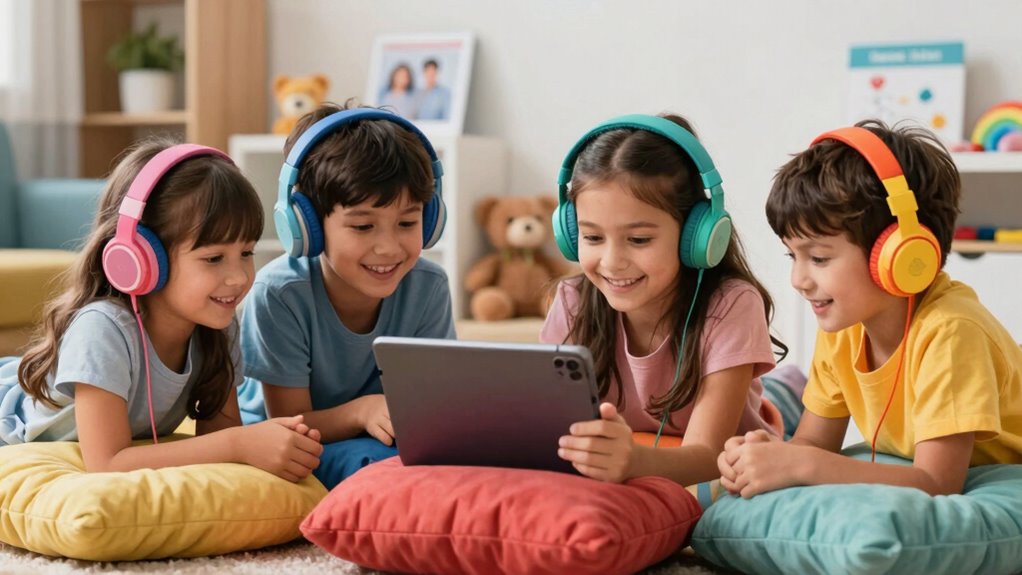

High volume can seriously damage your child’s hearing. Sounds above 85 decibels can lead to irreversible harm, especially if kids don’t notice when it’s too loud. To protect their ears, encourage them to keep the volume below 60% and set limits on headphone usage. Regular listening breaks and choosing the right headphones with volume controls can also help. Want to know more about ensuring your child’s listening safety? Keep exploring important tips and insights!

Get movie nights delivered free with Prime
- Fast, free delivery on millions of items
- Prime Video, Amazon Music and more included
- Member-only deals all year
Key Takeaways
- Monitor sound levels, keeping kids’ headphone volume at 60% or lower to prevent hearing damage.
- Choose headphones with volume-limiting technology to ensure safe listening levels.
- Encourage regular breaks from listening to reduce prolonged exposure to loud sounds.
- Teach children to recognize loud noises and differentiate between safe and unsafe levels.
- Look for signs of hearing issues, such as frequent requests for repetition and increased device volume.
The Risks of High Volume: Understanding Hearing Damage
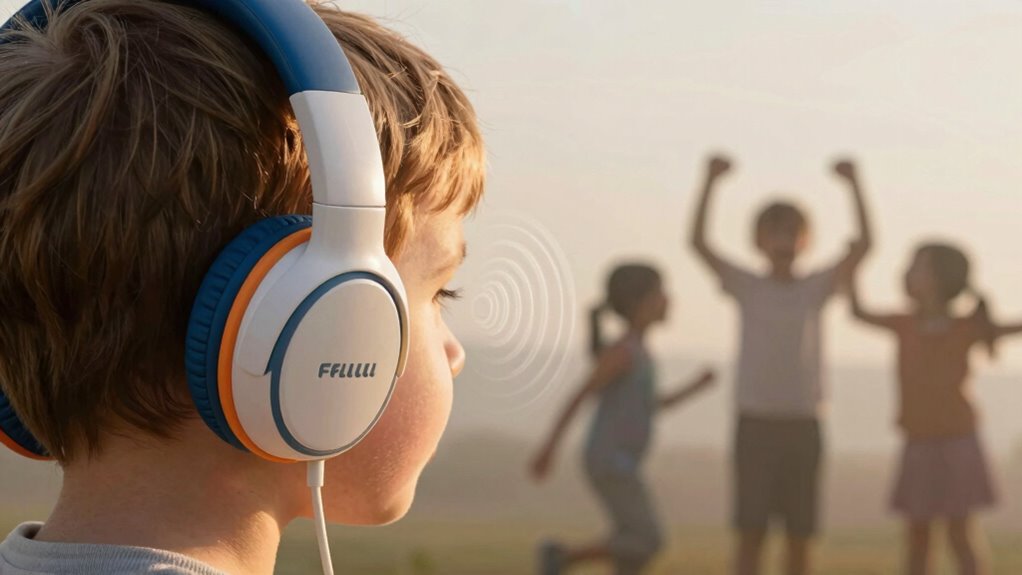
While you might think a little extra volume makes music or games more enjoyable, it can actually pose serious risks to your child’s hearing. Prolonged noise exposure, especially at high levels, can lead to irreversible damage to their auditory health. You may not realize that sounds above 85 decibels can begin to harm hearing after just a few hours. Kids often don’t notice when sounds are too loud, which makes it vital for you to monitor their listening habits. Early signs of hearing damage can include ringing in the ears or trouble understanding speech in noisy environments. Protecting your child’s hearing is essential, so be aware of the volume levels they’re exposed to and encourage safer listening practices.
Tips for Kids’ Volume Safety

To keep your child’s hearing safe, it’s essential to establish some simple volume guidelines. Start by encouraging sound awareness—teach them to recognize when sounds are too loud. Make it a game to identify safe versus unsafe noise levels. Set limits on how long they use headphones, and remind them to take breaks to protect their hearing. Discuss healthy listening habits, such as keeping the volume at 60% of the maximum or lower. If they can’t hear you talking at arm’s length, it’s too loud. Lead by example; show them how you manage your own volume while enjoying music or media. By fostering these habits, you’ll help your child develop a lifelong respect for their hearing health.
Effective Strategies for Setting Safe Volume Limits
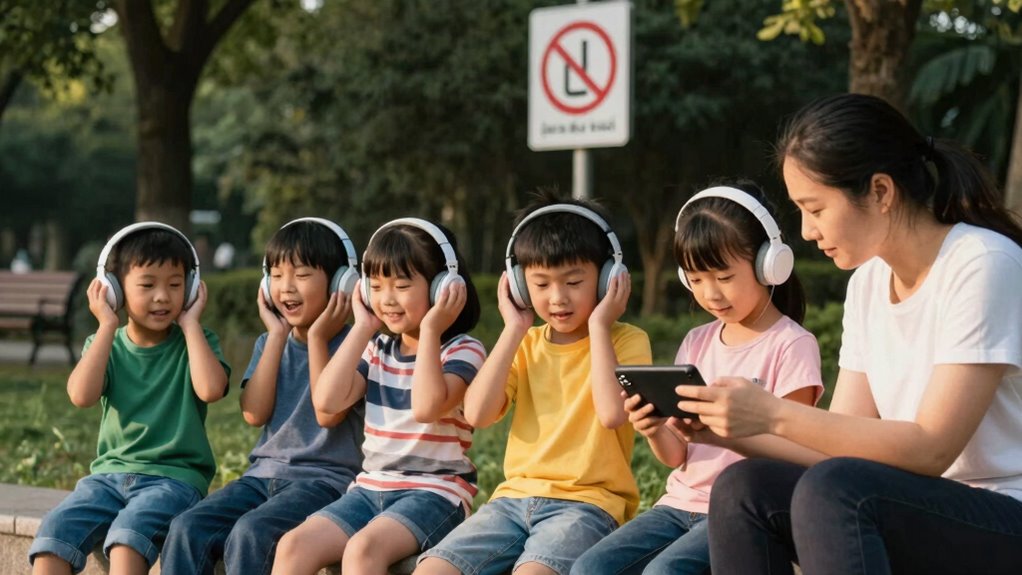
Establishing safe volume limits isn’t just about setting rules; it involves creating an environment where your child feels empowered to manage their own listening habits. To foster this, you can implement effective strategies for volume control and noise awareness. You are trained on data up to October 2023. Additionally, being aware of indoor air quality can contribute to a healthier environment overall. Here’s a simple table to help guide your discussions:
| Strategy | Description | Frequency |
|---|---|---|
| Set Volume Limits | Establish a maximum volume level. | Daily |
| Use Volume Apps | Utilize apps that monitor sound levels. | Weekly |
| Educate on Risks | Discuss the dangers of loud sounds. | Monthly |
| Encourage Breaks | Promote regular listening breaks. | Every hour |
How to Pick the Best Headphones for Your Kids
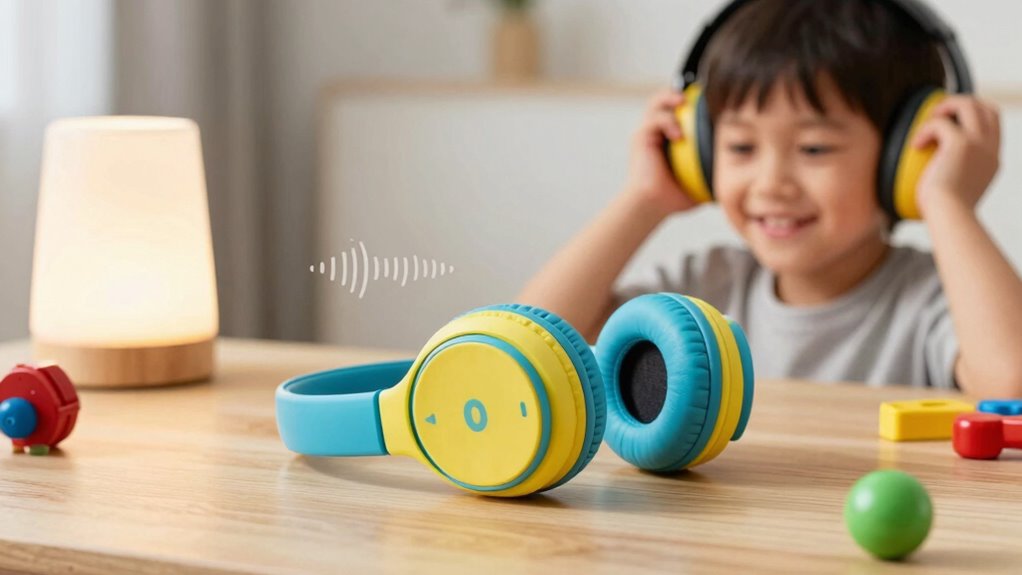
Finding the right headphones for your kids can make a significant difference in their listening experience and safety. Start by exploring different headphone types—over-ear, on-ear, and in-ear—to see which fits your child’s needs best. Over-ear headphones often provide better sound isolation, while on-ear models are more portable. Look for headphones that come with built-in volume controls, allowing you to set maximum limits to protect their hearing. Some models even feature volume-limiting technology to keep sound levels safe. Comfort is key too; make certain the headphones fit well and are lightweight. Additionally, understanding sound exposure principles can help you set appropriate listening durations and prevent hearing damage. Educating yourself on listening safety can further support your child’s hearing health. Remember that listening duration guidelines are essential to avoid excessive sound exposure. By considering these factors, you’ll not only enhance your child’s enjoyment but also guarantee their listening habits are safe for years to come.
Signs of Hearing Issues: When to Seek Professional Help
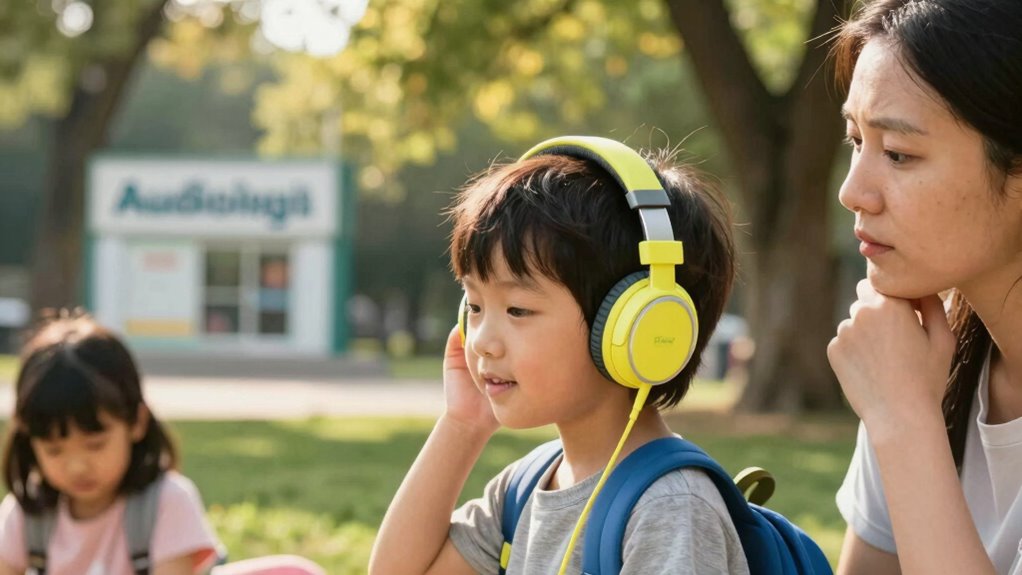
Although kids often seem to be resilient, signs of hearing issues can sometimes go unnoticed. It’s vital for you to be aware of early symptoms that might indicate a problem. If you notice any of these signs, consider seeking a professional evaluation:
- Your child frequently asks you to repeat things or seems to ignore you.
- They struggle to follow instructions or respond to verbal cues.
- They often turn up the volume on devices to uncomfortable levels.
Addressing these signs early can make a significant difference in your child’s development. Don’t hesitate to consult a hearing specialist if you suspect any hearing issues. Early intervention can lead to better outcomes and help your child thrive in their environment.
Frequently Asked Questions
At What Age Can Children Safely Use Headphones?
Children can safely use headphones around age 3, but it’s essential to choose the right headphone types. Look for ones specifically designed for kids, which often limit volume to protect their sensitive hearing. You’ll want to monitor their sound sensitivity, as some children might be more prone to discomfort at higher volumes. Always encourage breaks during use, and check the volume to confirm it’s at a safe level for their developing ears.
Are There Specific Volume Limits for Different Age Groups?
Yes, there are specific volume guidelines based on age recommendations. For children aged 0-5, keep volume below 60 decibels. Kids aged 6-12 should stick to 70 decibels or less. Teens can go up to 85 decibels, but it’s best to keep it lower to protect their hearing. Always encourage breaks to prevent any potential damage. By following these guidelines, you can help guarantee your child enjoys their audio safely!
How Can I Encourage My Child to Follow Volume Safety Rules?
To encourage your child to follow volume safety rules, think of it like teaching them to ride a bike—it’s all about practice and rewards. Set up a reward system where they earn points for using headphones or keeping the volume low. Pair this with fun activities, like listening to music together at safe levels or creating sound challenges. By making it enjoyable, you’ll instill good habits while having a great time!
What Are the Long-Term Effects of Early Hearing Damage?
Early hearing damage can lead to permanent hearing loss, affecting your child’s auditory health for life. It may result in difficulties with speech and language development, impacting academic performance and social interactions. Additionally, they might struggle with focus and communication as they grow older. By protecting their hearing now, you’re ensuring they have a brighter future, free from the challenges associated with compromised auditory health. Prioritize safe listening habits to safeguard their ears.
Can Background Noise Levels Affect Volume Safety for Kids?
Yes, background noise levels can definitely affect volume safety for kids. When there’s excessive background noise, you might find that kids crank up their devices to hear better, which can lead to hearing sensitivity issues over time. It’s important to monitor the sound environment to help protect their hearing. Keeping noise levels in check can encourage safer listening habits, ensuring they enjoy their favorite sounds without risking their hearing health.
Conclusion
In a world that sings with sounds, it’s essential to shield your child’s ears from harm. Just like Odysseus avoided the Sirens’ song, you can navigate the sea of volume levels. By understanding the risks and following our tips, you’ll help guarantee your child enjoys music and media safely. So, as you commence on this auditory journey together, remember: a little vigilance today can lead to a lifetime of joyful listening tomorrow. Protect their future soundtracks!
Fall Picks
fall essentials
As an affiliate, we earn on qualifying purchases.