
TL;DR

Get movie nights delivered free — and shop member deals
- Fast, free delivery on millions of items
- Access to Prime Big Deal Days deals on October 6–7
- Prime Video, Amazon Music and more included
An Oscar-winning actor’s voice was synthesized with AI for the film ‘The Odyssey,’ marking a new use of artificial intelligence in filmmaking. The development prompts discussions on ethics and authenticity in entertainment.
An Oscar-winning actor’s voice has been digitally recreated using artificial intelligence for the upcoming film ‘The Odyssey,’ confirmed by the production company. This marks one of the first high-profile uses of AI-generated voice technology in a major film project, raising questions about ethics, rights, and the future of acting in entertainment.
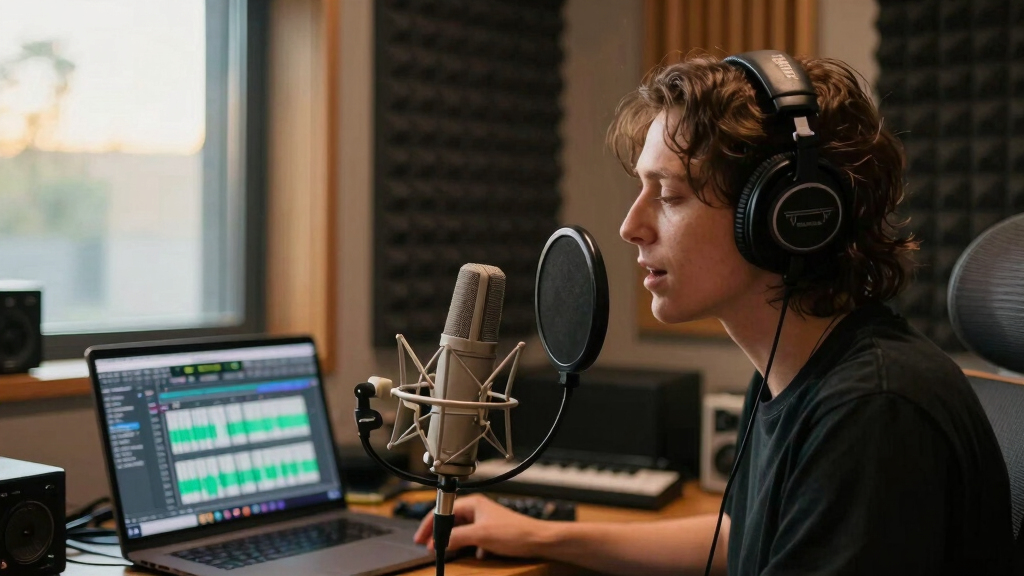
According to sources close to the production, the actor’s voice was synthesized using AI algorithms, allowing the filmmakers to include the actor’s performance without direct recording. The actor, whose identity has not been publicly disclosed, reportedly approved the project’s use of AI voice technology. This development was announced by the film’s producers, emphasizing that the AI-generated voice was used solely for specific scenes and with the actor’s consent.
The technology involved replicating the actor’s vocal tone, pitch, and mannerisms, enabling the creation of dialogue that the actor did not physically record. The production team stated that this approach was chosen to maintain the actor’s presence in the film while managing logistical or scheduling challenges. Experts in AI and entertainment have noted that this application marks a significant advancement in digital reproduction, with potential implications across the industry.
Implications for Actor Rights and Ethical Use of AI
This development underscores the growing role of artificial intelligence in film production, raising important questions about actor rights, consent, and the ethical boundaries of AI use. While the actor’s approval was reportedly granted, the broader industry is watching to see how such technology might influence contracts, residuals, and the authenticity of performances. The use of AI-generated voices could lead to new creative possibilities but also to concerns about job security and the potential for misuse or unauthorized replication of actors’ voices.
Rise of AI in Film and Voice Technology
Artificial intelligence has increasingly been integrated into entertainment, from CGI effects to virtual characters. The use of AI to generate voices is a recent development, with several startups and tech companies developing tools to clone voices for commercials, dubbing, and virtual assistants. Historically, actors have voiced characters in animated films or provided voiceovers, but the digital recreation of a living actor’s voice for a feature film marks a new frontier. Past instances of digital de-aging and CGI-based performances have sparked debate about authenticity, but AI-generated voices introduce a new layer of realism and ethical complexity.
“The AI-generated voice was used with the actor’s full consent, and it was a creative decision to enhance the storytelling.”
— Production spokesperson
Unclear Aspects of AI Voice Usage and Regulations
It is not yet clear how widespread the use of AI-generated voices will become in the industry, or what legal frameworks will regulate the technology. Details about the actor’s specific agreement, whether residuals or royalties are involved, and how rights will be managed in future projects remain undisclosed. Additionally, the long-term impact on acting jobs and industry standards is still uncertain, as this is a relatively new application of AI.
Industry Response and Regulatory Developments Expected
Expect industry stakeholders, unions, and regulators to scrutinize this development closely. Discussions about establishing guidelines, legal protections, and ethical standards for AI-generated performances are likely to accelerate. Meanwhile, other filmmakers and actors may explore similar technologies, prompting a broader debate about authenticity, compensation, and the future landscape of entertainment.
Key Questions
Was the actor’s voice fully recreated or only partially used?
It has been confirmed that the actor’s voice was fully synthesized using AI technology for specific scenes, with the actor’s approval.
Does this mean the actor did not record those lines physically?
Correct. The actor did not physically record the lines used in the film; their voice was digitally generated.
Are there legal protections for actors against AI voice cloning?
Legal protections are still developing, and it is not yet clear how current laws apply to AI-generated voices. Industry discussions are ongoing.
Could this technology be used without an actor’s consent?
While this case involved consent, the potential exists for misuse, which raises ethical and legal concerns that are being addressed.
Will actors receive residuals or royalties for AI-generated performances?
This has not been disclosed; negotiations around compensation for AI performances are still evolving.
Source: google-trends
Evergreen bestsellers Picks
bestsellers
As an affiliate, we earn on qualifying purchases.