
TL;DR

Get movie nights delivered free with Prime
- Fast, free delivery on millions of items
- Prime Video, Amazon Music and more included
- Member-only deals all year
Pop culture collectible figures turn characters, celebrities, and other cultural icons into physical objects for display, play, or collecting. Choose a format that suits your space and interests, check licensing and seller details before you buy, and treat limited editions as release information rather than a promise of future value.
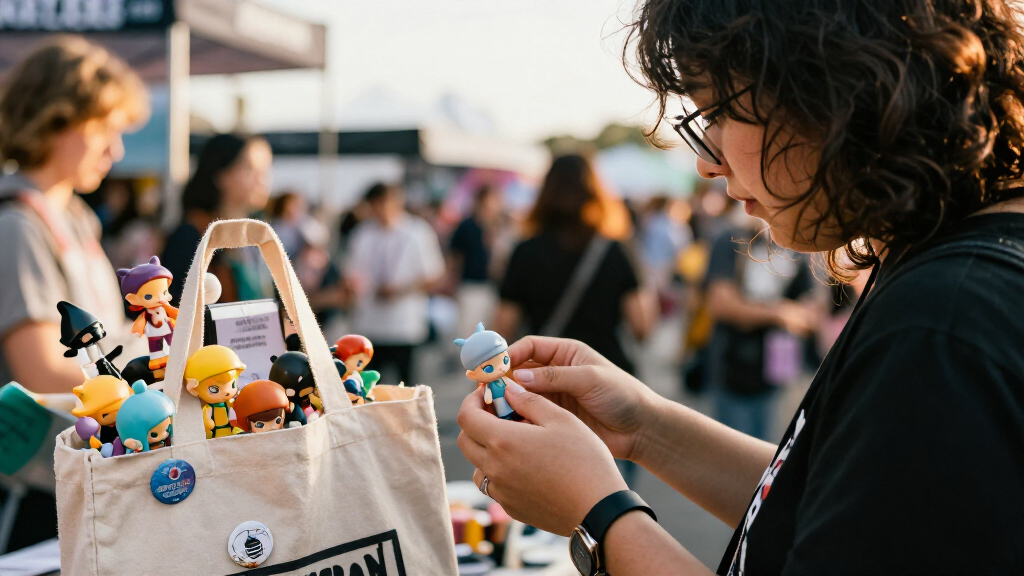
A shelf with a poseable hero, a glossy vinyl alien, and a tiny race car driver can tell three different stories about the person who owns it. Pop culture collectible figures turn characters, celebrities, and other cultural icons into physical objects for display, play, or collecting. They range from mass-market action figures to detailed statues, model kits, and small artist editions.
This guide helps you tell those formats apart, pick figures that fit your tastes and budget, and avoid common buying and care mistakes. You’ll see why articulation, licensing, condition, and display space matter—and why a “limited” label can’t promise a future payday. Whether you’re eyeing your first figure or sorting a crowded shelf, you can make choices that feel personal and practical.
Pick a format—action figure, vinyl, statue, miniature, or kit—that matches how you want to use and display it.
Set a collecting focus and a spending limit so launch excitement doesn’t make every release feel necessary.
Check licensing marks, product photos, seller history, return terms, and preorder status before ordering.
A limited run does not guarantee resale growth; compare recent completed sales if price matters to you.
Keep figures out of direct sun, heat, and damp conditions, and dust them gently.
Choose a figure format that fits how you collect
Pop culture collectible figures come in several formats, and the differences affect more than appearance: they determine how much room a piece takes, how you can interact with it, and what kind of care it needs. Action figures usually have movable joints, vinyl figures often use stylized designs with little articulation, and statues usually hold a fixed pose. Miniatures and model kits offer other ways to engage with a character or scene. A format that suits your routine is more likely to remain enjoyable after the excitement of buying wears off.
Imagine you want a figure of your favorite space captain. An articulated version lets you recreate a dramatic landing pose, but every pose uses joint movement and may involve balancing accessories or adjusting the stand. That hands-on flexibility is a benefit if you enjoy changing scenes, but it also means more handling and more parts to keep track of. A vinyl version may have a larger head, bold colors, and a compact footprint that fits a desk; it is easy to display, though you give up much of the posing. A statue can show fine costume detail and serve as a finished centerpiece, but its fixed pose and larger base may claim valuable shelf space.
Materials shape those tradeoffs. PVC and ABS plastic appear in many figures; resin may appear in detailed display pieces. A flexible component can make a joint or accessory easier to position, while rigid parts can preserve a sculpted shape. Material alone doesn’t tell you whether a figure is durable or easy to care for, because construction and finish vary by product. Check the manufacturer’s description and photos, especially if you plan to handle a piece often or put it somewhere exposed to heat or sunlight.
Use this comparison to think through what you’ll actually do with the figure, not just how it looks in a product photo:
| Format | What you get | Good fit if you want |
|---|---|---|
| Action figure | Movable joints, often with accessories | Posing and hands-on play |
| Vinyl figure | Stylized appearance, often limited movement | A bold display piece with a compact feel |
| Statue | A fixed pose and display-focused detail | A finished centerpiece |
| Model kit | Parts you assemble, sometimes paint | A build you can customize |
Products Worth Considering

Arlo Pro Wireless Security Camera, 2K HDR, 6th Gen, 4-Camera Kit

Philips Hue Starter Kit with Bridge Pro and 4 Retrofit LED Recessed Downlights

Blueair Blue Pure 511i Max Air Purifier
As an affiliate, we earn on qualifying purchases.
Build a collection around the characters you actually love
Pop culture collectible figures make a stronger collection when you choose a clear personal focus, such as one character, franchise, manufacturer, scale, or design style. A focus gives you a practical filter when releases compete for your attention: you can ask whether a figure adds something you care about or merely feels urgent because it is new. It also helps a shelf feel connected without requiring you to own every version. Your focus can change over time; its purpose is to help you spend intentionally, not to lock you into a rule.
Say you grew up with a particular animated series. You might collect its main characters across different eras, which creates a small cast and lets you arrange scenes, or choose one favorite hero in several formats, which highlights how artists and manufacturers interpret the same design. The first approach may need more shelf space and more purchases to feel complete. The second can keep the collection narrower, though repeated versions of one character may appeal less if you value variety. Either can be satisfying when it reflects what you enjoy looking at.
Set a budget before a new wave appears. For example, you could decide to buy one figure each month, or put a fixed amount aside for a convention find. A spending limit makes the tradeoff visible: money used on an impulse release is money unavailable for a piece you’ve wanted longer. Give yourself time to compare prices and ask whether you want the object itself or feel swept along by launch chatter. If you can’t explain what appeals to you beyond its availability, waiting can help distinguish lasting interest from urgency.
A pop culture collectible can be a design object for display, a reminder of a game night, or a hands-on toy, and those purposes may call for different choices. Your reason for collecting can guide what you buy: a detailed statue may suit a quiet shelf, while a poseable figure might be more fun if you enjoy changing the scene. Key facts and figures turn characters, icons into physical objects for display only tell part of the story; your own attachment gives a collection its shape.
Check authenticity and seller details before you order
You can reduce the risk of buying a counterfeit by checking the maker, licensing marks, packaging, product details, and seller reputation together. These clues matter because a convincing listing photo may show a genuine product even when the item shipped is different. No single clue settles every case, especially for older releases, but consistent details across the listing, official product information, and seller history give you a better basis for a decision. Compare the listing with official product photos and ask the seller for clear pictures if important details are missing.
For instance, a listing for a popular game character may use a familiar box design but show a different paint scheme or accessory set than the manufacturer’s images. Look closely at the logo, printed text, sculpt, and finish. Differences can reflect a regional release or a variant, so check the product name and edition before assuming the item is fake. If the seller can’t explain a mismatch or provide clearer photos, you have less evidence to judge what you’ll receive. Also check whether the seller has a history of selling similar items and whether the marketplace offers a return process; a return option gives you a path to address a mismatch, though it cannot prevent the inconvenience of one.
Retail channels have tradeoffs. Official stores and established specialist retailers can make product details and preorder terms easier to confirm, but they may not carry discontinued releases. Marketplaces can help you find older figures and compare sellers, but listing quality and return terms vary, and shipping, import costs, or a difficult return can change the real price. A low price alone doesn’t prove a deal is genuine; compare the total cost and the evidence in the listing with other sources.
Before you pay, review whether the figure is in stock or a preorder, when the seller expects to ship, and what happens if the date changes. Preorders can sell through limited allocations or face production and shipping delays, so an expected date is not always a guarantee of delivery. Save the listing and order details so you can compare what arrives with what you bought and refer to the seller’s terms if there’s a problem.
Treat limited editions as release details, not profit promises
A limited-edition label means a release has a stated production limit or restricted availability; it does not mean the figure will gain value. Resale prices depend on demand, condition, supply, and timing. A small run can still attract few buyers, while a widely available figure can become sought after if fans keep looking for it.
Suppose a convention-exclusive figure sells out on launch day. A few listings might appear online at sharply higher prices, which can make the item seem destined to climb. But asking prices are not completed sales. Check recent completed transactions for the same version and condition, and remember that a quick burst of interest may fade once another release appears.
Condition matters when collectors compare pieces. A figure with all its accessories and clean paint may appeal to a different buyer than one with a missing stand or a crushed box. Some collectors prize unopened packaging; others care more about the figure and display it out of the box. Neither preference guarantees a sale or a particular price.
“Limited” describes how a release was offered. It doesn’t promise what someone will pay later.
If you buy a figure because you love the sculpt or character, a changing resale price doesn’t erase the enjoyment. Treat possible future value as uncertain, and check recent sales rather than relying on rumors of scarcity or a seller’s prediction.
Keep figures and packaging in good shape on your shelf
You can protect figures and their boxes by keeping them away from direct sunlight, high heat, and damp conditions, then dusting them gently and handling fragile parts with care. Sunlight can fade colors and packaging; heat and moisture can affect materials or leave boxes looking tired. Those changes can reduce the enjoyment of a display and matter to collectors who care about condition, though careful storage cannot guarantee an item will keep its original appearance. A stable shelf also lowers the chance of a figure tipping onto the floor.
Picture a vinyl figure placed on a sunny windowsill beside a radiator. The spot may look perfect for a photo, but weeks of bright light and warmth can take a toll on color and condition. Move it to a shaded shelf instead, and use a soft brush or clean cloth to lift away dust without scraping painted details. Gentle cleaning takes longer than a quick wipe, but helps avoid scratches or wear on the finish.
Think about whether the box matters to you before buying. Keeping packaging can suit collectors who like a pristine boxed display or want to retain all the inserts, but it takes storage space and can make a collection harder to rearrange. Opening the box gives you room to pose the figure and enjoy details hidden by plastic. It also means you’ll need a plan for accessories and packaging if you want to keep them. Your choice depends on whether the experience of displaying the figure or keeping the complete package matters more to you.
For a crowded shelf, leave room between pieces and check that stands sit flat. Close spacing can make a display feel fuller, but it also makes pieces harder to dust and can lead to bumps while rearranging. Put small accessories in a labeled container so they don’t vanish during a room clean. Shade, stable support, and gentle dusting make a simple care routine, whether you own one treasured figure or a whole row of them.
Use collector communities to find releases, then verify the details
Collector groups, conventions, specialist shops, and online marketplaces can help you discover releases and find older figures. Communities also give you a place to compare photos, swap display ideas, and learn which accessories came with a particular edition. That shared knowledge can fill gaps in a listing, but community enthusiasm can also amplify rumors or create pressure to buy quickly. Treat price rumors and “last chance” posts as claims to check, since online chatter can spread faster than confirmed product information.
For example, a fan group may share a photo of a new character figure before every retailer lists it. That can help you identify the product name and manufacturer. Before placing an order, confirm the release through the maker or retailer, check the date, and see whether the listing is a preorder or ready to ship. This extra step helps distinguish an announcement from an available product and gives you a clearer idea of when you might receive it.
Recent collecting channels include direct-to-consumer releases, retailer exclusives, and crowdfunding campaigns. They let manufacturers reach niche audiences or gauge interest, but each route has different tradeoffs. A retailer exclusive may limit where you can buy a figure; a crowdfunding campaign may offer a design that would not otherwise be produced, but typically asks you to accept a longer wait and uncertainty about delivery timing. Read the campaign or retailer terms so you understand what you’re ordering and what updates to expect.
Collectors share useful knowledge, but a personal recommendation may reflect one person’s taste or local prices. Compare multiple sources, especially when a seller describes a figure as rare or a guaranteed investment. Use community knowledge to find the trail, then rely on product details and recent completed sales to check where it leads. That lets you benefit from other collectors’ experience while keeping the final choice grounded in evidence and your own priorities.
Frequently Asked Questions
What counts as a pop culture collectible figure?
It’s a figure made to represent a recognizable character, person, or cultural property, usually for collecting, display, or play. That can include articulated action figures, stylized vinyl designs, statues, miniatures, and buildable kits.
What is the difference between an action figure, a vinyl figure, and a statue?
Action figures generally have movable joints, while vinyl figures often have a stylized design and little or no articulation. Statues are usually made for display in a fixed pose. Product details vary, so check the listing if movement or material matters to you.
Which figures are worth collecting?
That depends on your interests, budget, available space, and collecting goals. There’s no reliable guarantee that a figure will rise in value, so choose pieces you’ll enjoy owning even if resale prices change.
How can I check whether a figure is authentic?
Check the manufacturer, licensing marks, packaging, product details, and seller reputation. Compare the item with official product photos and seek clear images or advice from trusted collector resources when you’re unsure.
Do limited editions always become valuable?
No. “Limited” describes a release, not a promise of future price growth. Demand, condition, availability, and timing all affect resale prices, so look at recent completed sales rather than relying on a scarcity claim.
Should I keep figures in their boxes?
Keeping the box can appeal to collectors who value packaging or want a boxed display, but it takes space. Opening a figure lets you pose and handle it, and many collectors enjoy their pieces out of the box.
How should I care for and display my figures?
Keep figures away from direct sunlight, high heat, and damp conditions. Dust them gently, handle delicate parts carefully, and use a stable shelf or stand to reduce the chance of a fall.
How do I start collecting without overspending?
Choose a character, franchise, scale, or design style as your focus, then set a budget before browsing new releases. Compare prices and buy figures you genuinely enjoy rather than rushing because of a rumor about scarcity or future value.
Conclusion
Start with one figure you’d be happy to see every day. Choose a format that fits your space, check the listing before you buy, and give the piece a safe place away from sun and heat. A good collection reflects your taste; it doesn’t need to prove its worth through a resale chart or a rare label.
Let your shelf grow one meaningful piece at a time. A favorite character, picked with care, can make an ordinary corner feel like a small window into the worlds you love.